
















When we think about architecture, the first images that come to mind are often elegant facades, sustainable materials, and innovative interiors. However, one of the most critical aspects that ensures comfort and functionality in any building is often hidden behind walls and floors—plumbing. For architects, understanding plumbing systems is essential in creating efficient, sustainable, and safe structures.
Below are some valuable tips that architects should keep in mind when working with plumbing in residential, commercial, or industrial projects.
- Early Collaboration with Plumbing Experts
One of the most effective ways to avoid costly design changes later is to involve plumbing professionals early in the design process. By coordinating pipe layouts, water supply points, and drainage systems in the initial design phase, architects can ensure both functionality and aesthetics are preserved. Services like Professional Commercial Plumbing Services are particularly valuable for large-scale projects, as they can anticipate potential issues and provide innovative solutions tailored to complex buildings.
- Consider Space Allocation for Plumbing Systems
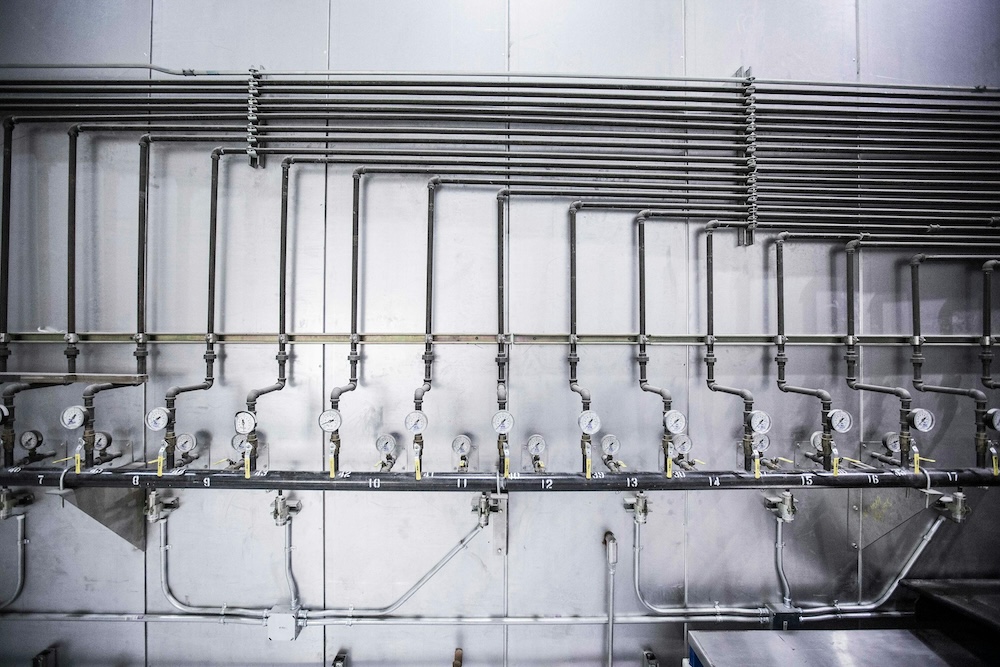
Architects should always allocate sufficient space for plumbing components such as risers, water heaters, and drainage lines. Poor space planning can lead to cramped utility areas and maintenance difficulties later on. Designing with future repairs in mind saves time and money for building owners.
- Prioritize Sustainability
Modern plumbing is not just about water supply and waste management—it’s also about conservation. Architects should work with engineers to integrate features like low-flow fixtures, rainwater harvesting systems, and greywater recycling. This not only reduces a building’s environmental footprint but also appeals to eco-conscious clients.
- Use Technology for Better Planning and Maintenance
Advancements in plumbing technology have made it easier for architects and contractors to detect issues without unnecessary demolition. Tools like camera plomberie allow professionals to inspect hidden pipelines and identify leaks, blockages, or deterioration early on. Architects should design buildings that make such inspections easy, ensuring long-term efficiency and durability of the plumbing network.
- Aesthetic Integration of Fixtures
Architects should also consider how visible plumbing fixtures—such as sinks, faucets, and bathtubs—blend with the overall design theme. Thoughtful placement and fixture selection can elevate the look of kitchens, bathrooms, and commercial spaces.
Conclusion
For architects, plumbing may not be the most glamorous aspect of design, but it is one of the most essential. By collaborating with experts, planning space efficiently, using sustainable practices, and leveraging modern technologies like camera plomberie, architects can create buildings that are not only beautiful but also functional and future-proof.