








Bulking sounds simple until you actually try to eat enough every day. Bigger meals may work for a while, but constantly forcing down more food can leave you sluggish, bloated, and dreading the next plate before you have even finished digesting the last one.
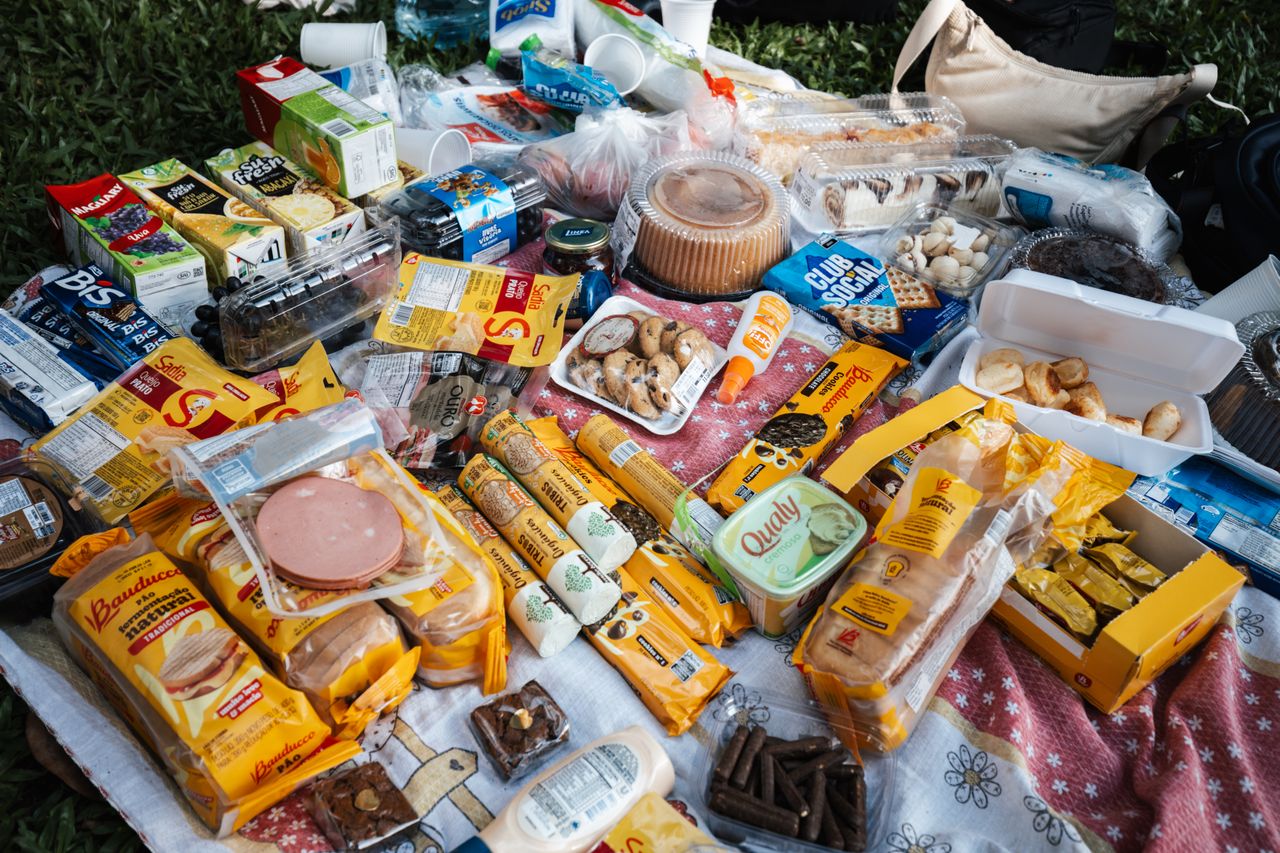
A better approach is to spread more of your intake across the day. Well-chosen snacks can help increase calories and protein without turning every meal into a challenge. The key is choosing foods that are compact, satisfying, and easy to eat between your usual meals.
Choose Snacks That Give You More Without Taking Up Too Much Space
When appetite is the limiting factor, volume matters. Large bowls of low-calorie food can fill your stomach quickly without moving you much closer to your target.
Instead, look for snacks that provide a useful amount of protein and calories in a relatively small portion. Options fromcarnivoresnax.com can work well when you want something convenient between meals without having to prepare another full plate.
The same principle applies to everything else you eat. Cheese, yogurt, eggs, dried meat, nut butters, trail mixes, and similar foods can make it easier to add meaningful nutrition without creating an oversized snack.
You do not need every snack to be huge. Two or three smaller additions across the day can be much easier to manage than one extra meal.
Stop Treating Every Meal Like a Bulking Challenge
One of the easiest ways to make bulking miserable is to make breakfast, lunch, and dinner dramatically larger than usual.
That often leads to the familiar cycle of feeling overly full after one meal, eating the next one late, and then realizing you still have a large amount of food left to fit in before bed.
Keep your main meals satisfying but manageable. Then use snacks to close the gap.
This gives your digestion more time and makes the day feel less like a constant eating contest. It also gives you flexibility. If lunch happens to be larger, you can reduce the afternoon snack. If dinner is lighter than planned, you have another opportunity to add something afterward.
Consistency matters more than making every individual meal impressive.
Make Protein Easy to Reach Throughout the Day
People often focus so heavily on total calories during a bulk that protein becomes something they try to fix at dinner.
Spreading it more evenly can make the entire day easier.
Include a reliable protein source in your main meals, then choose snacks that contribute rather than simply adding empty calories. Yogurt, cottage cheese, milk, eggs, jerky, meat snacks, protein shakes, and cheese are all examples that can make the total easier to reach.
This does not mean every snack needs to resemble a bodybuilding meal. A snack can still be simple.
The advantage of spreading protein across the day is that you are not faced with an enormous serving late at night because earlier meals fell short.
A little planning in the morning can save a lot of uncomfortable eating in the evening.
Use Liquid Calories When Solid Food Starts Feeling Like Work
Some days, another plate of food simply does not sound appealing.
Liquid calories can help because they are often easier to consume when appetite is low. A shake made with milk, yogurt, fruit, oats, nut butter, or protein powder can add a meaningful amount without feeling as heavy as another full meal.
The important thing is not to turn every drink into a massive calorie bomb.
Start with something moderate and see how it affects your appetite for the next meal. If a huge shake leaves you unable to eat dinner, it has simply moved the problem rather than solving it.
Liquids work best as a supplement to your normal eating pattern, particularly after training or between meals when you have several hours before eating again.
Match Your Snacks to Your Training Schedule
Timing does not need to be complicated, but it can make bulking more comfortable.
Eating a heavy snack immediately before training may leave you feeling slow or uncomfortable. On the other hand, finishing a workout and then waiting several hours for your next meal can make it harder to keep intake consistent.
Think about where your natural gaps are.
A lighter snack before training and a more substantial one afterward may work well. On rest days, you might spread snacks more evenly because you are not planning around a session.
Your schedule matters too. If you know afternoons are busy and meals tend to get delayed, keeping something portable available can prevent you from trying to make up everything at night.
The best snack plan is the one that fits your actual day rather than an ideal schedule you rarely follow.
Increase Intake Gradually Instead of Jumping Too Far
Feeling stuffed all day may simply mean you increased food too aggressively.
If you suddenly add several hundred or even a thousand extra calories, your appetite and digestion may struggle to keep up. Adding smaller amounts and adjusting gradually is often much easier.
Start with one extra snack each day. Give yourself time to see how your weight, training, hunger, and digestion respond.
If progress is slower than you want, increase again.
This approach also helps you learn which foods work well for you. Some people tolerate dairy easily but feel overly full after large portions of oats. Others find solid snacks easier than shakes.
There is no benefit in forcing a theoretically perfect bulking diet that makes you uncomfortable enough to abandon it after two weeks.
A good bulk should feel sustainable.
You are trying to eat enough to support training and growth, not spend every waking hour thinking about your next meal. Keep your regular meals manageable, use compact snacks to fill the gaps, and increase intake gradually. When the food is spread intelligently across the day, bulking becomes much easier to maintain without feeling permanently stuffed.