








As we step deeper into the mid-2020s, fashion is undergoing a dynamic transformation. The era of fashion in 2025–2026 is marked by a bold fusion of sustainability, technology, inclusivity, and personal expression. Designers are no longer just crafting garments—they're shaping culture, embracing innovation, and responding to a world in flux.
Let’s dive into the key trends, materials, and movements that will define fashion in 2025 and 2026.
1. Hyper-Personalized Fashion
Customization has moved beyond monogrammed handbags. With advancements in AI and machine learning, brands now offer clothing tailored to your unique body measurements, posture, and style preferences.
Smart fashion platforms—like those accessible through jalwa—are already pioneering tools that use your digital profile to curate looks, offer fit recommendations, and even suggest sustainable swaps for your wardrobe. In the next two years, this kind of technology will be mainstream in fashion retail.
2. Techwear Becomes Everyday Wear
Once seen as niche, techwear is now entering everyday closets. These garments combine functionality with futuristic design—think temperature-regulating fabrics, built-in wireless charging pads, and water-resistant yet breathable materials.
Expect to see stylish outerwear with embedded sensors that track UV exposure, backpacks that recharge devices on the go, and responsive fabrics that adapt to weather changes.
3. Sustainability Is Non-Negotiable
In 2025–2026, sustainability will no longer be a luxury—it will be a basic expectation.
- Regenerative materials like lab-grown leather, mushroom mycelium, and recycled ocean plastic are gaining traction.
- Circular fashion models, where clothes are made to be resold, rented, or recycled, are becoming the norm.
- Brands will be rated by consumers not just on style or quality, but also by their climate impact and ethical sourcing.
Consumers are increasingly making purchasing decisions based on a brand’s transparency and environmental footprint.
4. Gender Fluidity and Unisex Silhouettes
The future of fashion is inclusive. Gender-fluid collections are expanding, reflecting a global cultural shift that embraces identity without rigid labels. Expect oversized shirts, tailored suits, and neutral-toned collections that prioritize comfort and versatility over traditional gender divides.
Runways are also showcasing diverse models of all sizes, abilities, and backgrounds—making fashion feel more representative and empowering than ever before.
5. Digital Fashion and Metaverse Integration
With the rise of virtual environments, digital fashion is no longer science fiction. In 2025–26, you might buy a digital version of a designer jacket for your avatar before you purchase the real thing.
- NFTs (Non-Fungible Tokens) allow for owning exclusive digital designs.
- Fashion shows are being held in the metaverse, attended by users from all over the globe.
- Digital try-on apps let consumers test how an outfit looks via AR (Augmented Reality) before buying.
Luxury and streetwear brands alike are racing to enter this space, blending fashion with gaming and tech culture.
6. Maximalism Is Back—with a Smart Twist
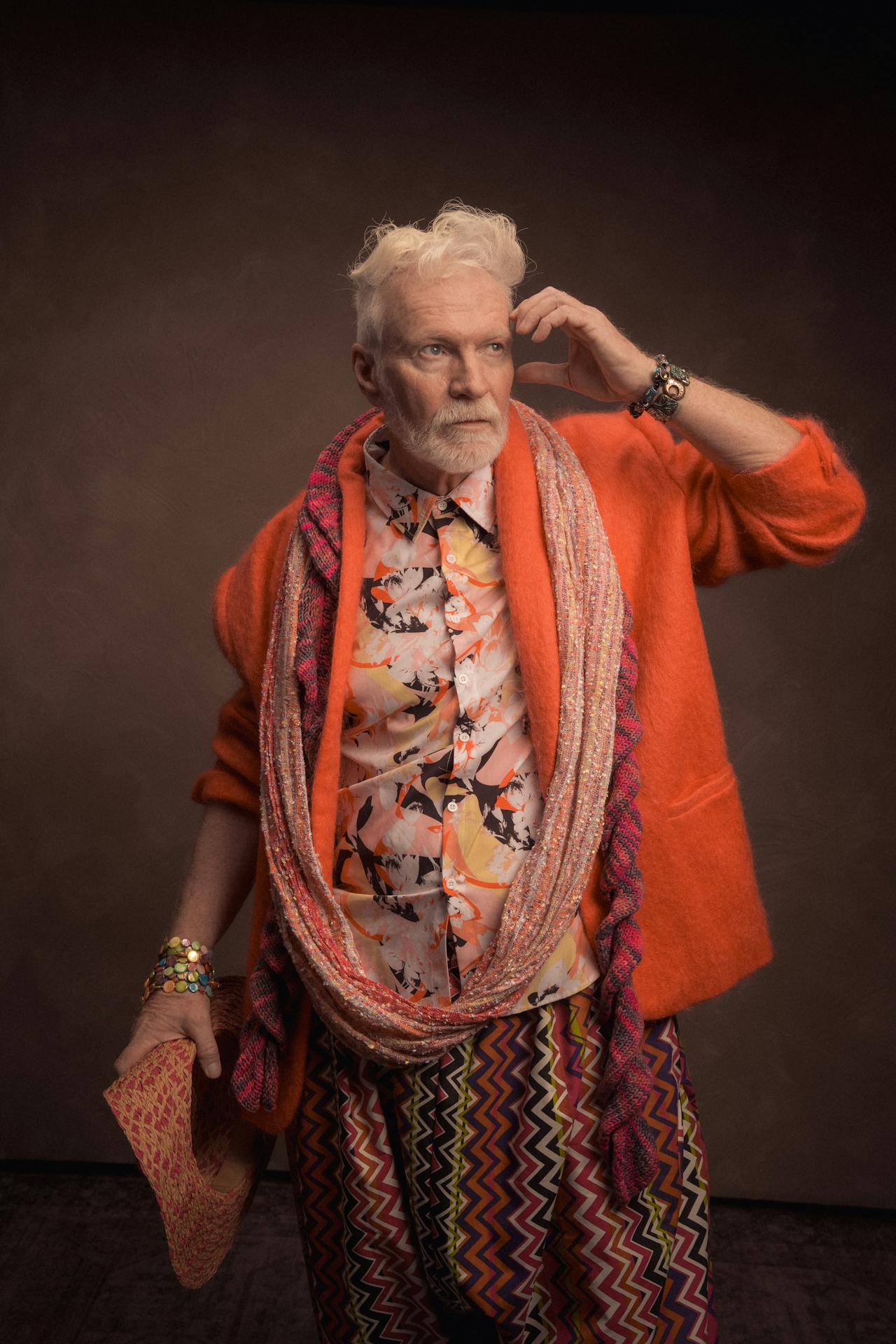
After years of minimalist aesthetics, bold prints, extravagant accessories, and vibrant colors are taking over. But it’s not the chaotic maximalism of the past—it’s intelligent, layered, and deeply personal.
People are mixing vintage with new, high fashion with thrift, and streetwear with couture. Statement pieces—like neon blazers, oversized earrings, and mixed-pattern suits—are making a huge comeback.
7. Slow Fashion, Fast Innovation
Despite the fast-paced world of innovation, the ethos of slow fashion is gaining ground. Consumers are investing in fewer, better pieces. Capsule wardrobes, quality over quantity, and timeless basics are becoming essential to fashion-conscious individuals.
Ironically, technology is speeding up this “slowing down” process—enabling brands to create garments on demand, reducing inventory waste and overproduction.
Final Thoughts
Fashion in 2025–2026 is not just about what we wear—it’s about how and why we wear it. It’s a form of expression, activism, identity, and even technology. It’s a reflection of our values and our vision for the future.
As sustainability, inclusivity, and personalization drive the industry forward, platforms like jalwa help users stay informed, inspired, and in sync with the ever-evolving world of fashion. Whether you're shopping for the latest trends or planning a digital closet, now is the time to dress boldly and think consciously.