

















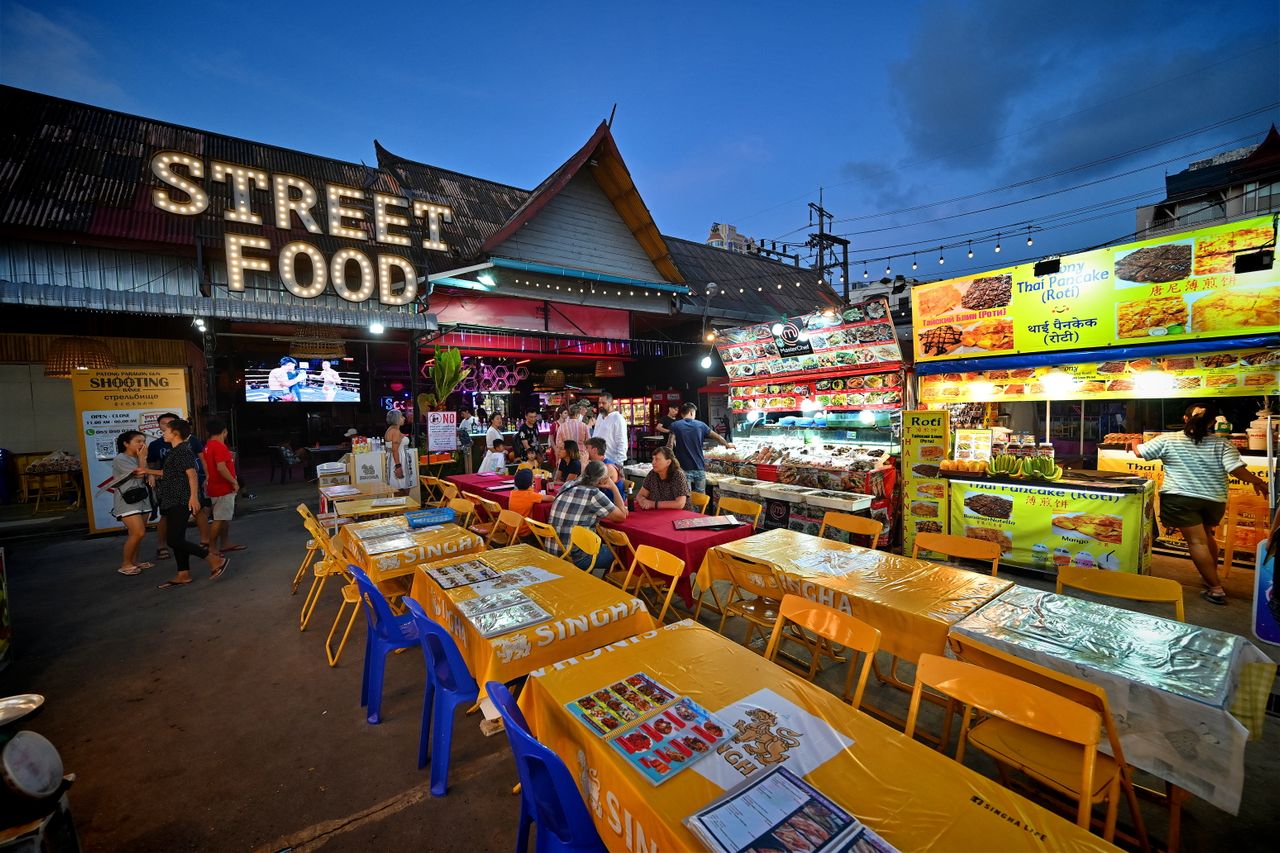
Southern Thailand offers an intoxicating sensory experience. The bustling night markets, the fragrant heat of street food stalls, and the vibrant colours of the coast create a travel experience unlike any other. However, indulging deeply in this sensory feast can sometimes lead to an unexpected sense of travel fatigue. As previously explored in our guide to recharging and finding balance in Thailand, breaking up rich culinary adventures with mindful, restorative activities is absolutely essential for your wellbeing. Finding the perfect equilibrium between the fiery plates of the south and the tranquil waters of the Andaman Sea is the key to a truly rejuvenating holiday.
The Heavy Comfort of Regional Flavours
To understand the need for a physical reset, one must first look at the local dining tables. Southern Thai cuisine is distinctively intense and highly celebrated for its uncompromising heat. It is characterised by its unapologetic use of bird's eye chilies, pungent shrimp paste, and deep, earthy spices that linger long after the meal is finished. Iconic regional dishes like Gaeng Som, a vibrant and tangy sour curry, or Kua Kling, an aggressively spicy dry meat curry, provide an incredible but heavy sensory overload that demands energy from the body to process.
The region relies heavily on rich, fresh coconut milk to balance the intense heat of these curries. While deeply satisfying, these heavy, aromatic meals can quickly contribute to sluggishness if consumed for several consecutive days. Interestingly, local cooks often counteract this intense spiciness by utilising high amounts of fresh turmeric. This vibrant root is traditionally believed to soothe digestion, reduce inflammation, and assist the stomach after heavy meals. Yet, even with these natural remedies woven into the recipes, your body often craves a break from the dining table to restore its baseline.
Swapping Spices for Serenity in Phang Nga Bay
When it is time to step away from the bustling food scenes, the natural geology of the region offers the perfect escape. The towering limestone karsts scattered throughout Phang Nga Bay are the majestic remnants of a massive, 300-million-year-old coral reef system. Over millions of years, acidic rainwater and chemical dissolution collapsed the interiors of these limestone islands, creating hidden, open-air lagoons known locally as hongs. Because they are entirely enclosed by sheer limestone walls, these serene lagoons are inaccessible to larger tourist boats. The only way to enter is by sea canoe during precise low-tide windows. For travellers wanting to experience this quiet magic, looking into low-impact Phuket island packages offers a gentle, eco-friendly way to explore the tidal caves without the rush of crowded tourist vessels.
The Science Behind Your Aquatic Reset
There is a very real, measurable reason why drifting quietly through a hidden lagoon feels so profoundly restorative after days of intense travel. The contrast between a chaotic night market and an isolated sea cave provides a sudden, dramatic drop in sensory input, allowing the nervous system to recalibrate effectively. The sheer silence of the caves offers a stark counterpoint to the bustling coastal cities.
According to research from the University of Washington, exposure to blue spaces actively reduces anxiety and improves overall physical and mental wellbeing. These studies show that frequent visits to coastal natural areas are positively associated with mental health recovery and lower levels of exhaustion. Simply being near the water, listening to the gentle dip of a paddle and the calls of local wildlife, serves as a natural antidote to the heavy, rich indulgence of the previous days.
Tips for a Mindful Thai Itinerary
Thailand is actively shifting towards a more mindful approach to travel. The government is currently accelerating its Bio-Circular-Green Economic Model, which prioritises low-impact travel and green certifications for tour operators. Ecotourism in the region is projected to expand significantly as visitors seek more sustainable ways to explore. To ensure your trip strikes the right balance between culinary indulgence and natural restoration, consider these steps:
- Space out your heavy meals by alternating days of rich curry indulgence with lighter, fresh seafood or simple tropical fruits.
- Choose ethical tour operators who follow a strict ethos, such as those who have been mapping the delicate tidal caves responsibly since the late 1980s.
- Support businesses that participate in conservation, such as outfitters who actively organise multi-day bay clean-up initiatives with local universities.
- Respect the natural limits by embracing the slow pace required by nature, like waiting for the exact low-tide window to enter a hidden lagoon.
A successful holiday in the south of Thailand does not require you to choose between the vibrant food culture and peaceful nature. Instead, it invites you to weave them together into a holistic itinerary. By savouring the intense, fiery flavours of local street food and then deliberately retreating to the quiet, ancient embrace of the sea caves, you can experience the very best of both worlds. This harmonious approach ensures that you leave not just well-fed, but deeply connected to the environment and truly rested.