
















Not every palate is built for punishment. Some foods exist not merely to nourish but to challenge — to push the human body to the very edge of what it can sense, endure, and ultimately enjoy. These are foods built for the bold, consumed by the curious, and feared by the faint-hearted. Across cultures and continents, certain dishes have earned a fierce reputation — not for their elegance or refinement, but for the raw, unrelenting intensity they deliver with every bite.
This isn't about ordinary spice or a sharp cheese. This is a deep exploration into the world's most extreme culinary experiences — the flavors that make eyes water, tongues surrender, and even seasoned food lovers question their life choices. From fermented shark to ghost pepper curries, the most intense flavors on Earth tell stories of culture, survival, tradition, and fearlessness.
What Makes a Flavor "Intense"?
The science behind extreme taste experiences
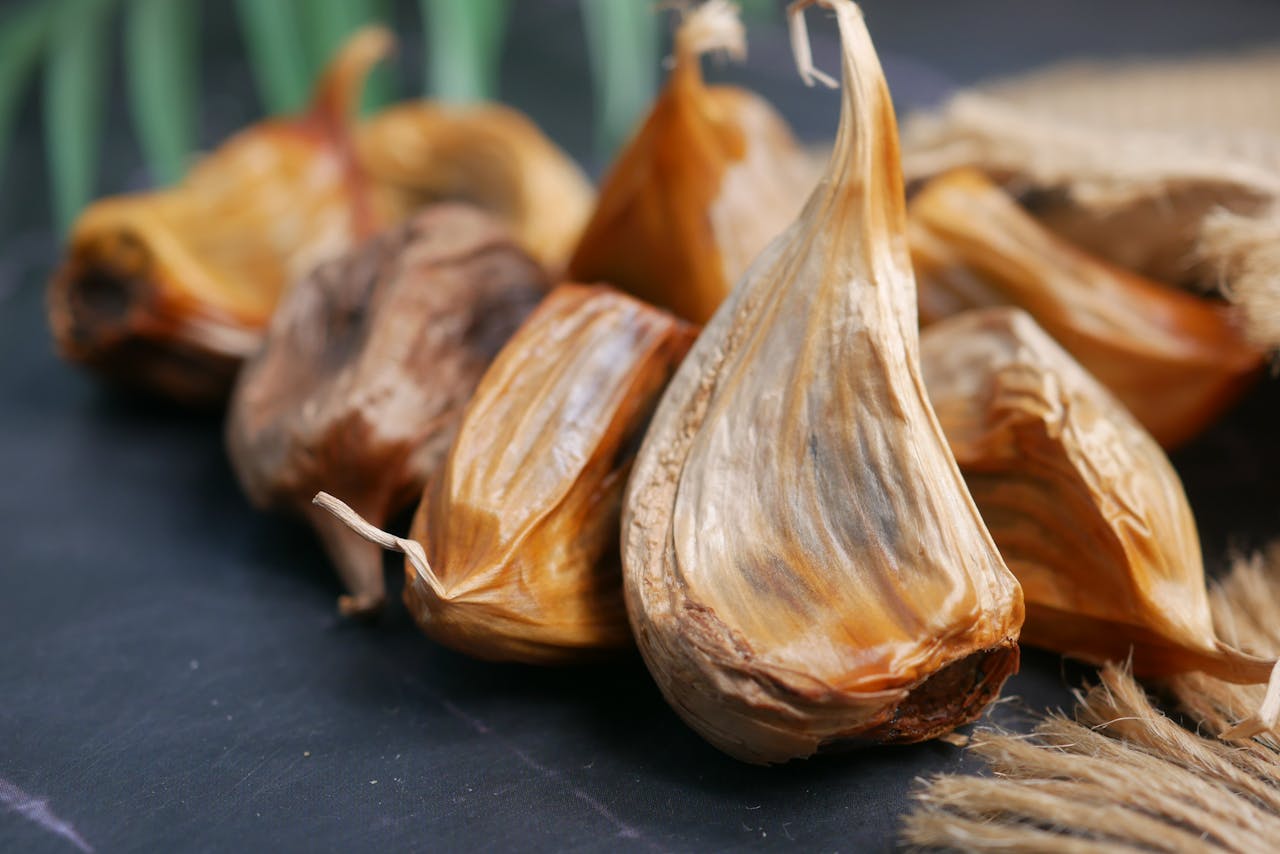
Before diving into the foods themselves, it's worth understanding what qualifies a flavor as intense. Flavor intensity is not a single dimension — it's a convergence of chemical compounds, sensory receptors, cultural conditioning, and psychological response. Capsaicin in chili peppers binds to TRPV1 receptors, triggering the same pain pathway activated by heat. Allicin in fermented black garlic creates sulfuric compounds so potent they linger for hours. Glutamate-packed aged cheeses overwhelm umami receptors in a way that borders on sensory overload.
Intensity also lives in fermentation. Ammonia compounds released during the breakdown of proteins — in Hákarl, Surströmming, or aged Époisses — produce aromas that register as threats to the brain before the tongue even makes contact. Understanding this science helps explain why eating intensely flavored foods feels less like dining and more like a test of willpower.
For food adventurers seeking to document and track extreme culinary challenges, platforms like Asuramgg have become go-to communities where brave eaters share reviews, rankings, and survival stories from the world's most daunting food experiences.
The World's Most Intense Foods, Ranked by Category
Category 1: Heat — The Capsaicin Extreme
The Carolina Reaper holds the Guinness World Record for the hottest chili pepper, measuring over 2.2 million Scoville Heat Units. For context, a jalapeño sits at around 8,000 SHU. When consumed whole, the Reaper doesn't just burn — it causes involuntary tearing, throat spasms, and a radiating heat that can persist for 30 minutes or more. Dishes built around peppers like Bhut Jolokia (Ghost Pepper) in Northeast India are consumed as a rite of passage and even used in smoke grenades by the Indian military for crowd control.
Sichuan cuisine uses a different approach to heat — Mala, meaning "numbing and spicy," combines Sichuan peppercorns with dried chilies to create a flavor that simultaneously paralyzes the tongue's nerve receptors and floods it with fire. It is disorienting, addictive, and unforgettable.
Category 2: Fermentation — The Smell That Precedes the Flavor
Iceland's Hákarl — fermented Greenlandic shark — is buried underground for months, then hung to dry for four to five more. The result is a pale, ammonia-saturated flesh with a flavor so aggressively pungent that even Anthony Bourdain, one of the world's most adventurous food personalities, described it as the single worst thing he had ever eaten. It is not seasoned, not cooked, not softened — just fermented time.
Sweden's Surströmming — fermented Baltic herring — is legally banned from some apartment buildings in Europe due to the intensity of its odor. Cans must be opened outdoors. The flavor, buried beneath the overwhelming smell, is actually acidic, sour, and brine-heavy — a test of mind over olfactory instinct.
Category 3: Bitterness — The Uncompromising Taste
Bitter melon, consumed raw across Southeast Asia and parts of Africa, delivers an unvarnished bitterness that cannot be masked. There is no sweetness hiding behind it, no fat to round off its edges. It is medicinal, sharp, and profoundly acquired. Similarly, amaro liqueurs made with wormwood, gentian root, and cinchona bark present a bitterness so sustained it functions almost like a flavor endurance test, spreading through the throat long after the sip is taken.
Category 4: Pungency — Garlic, Mustard, and Wasabi
Real wasabi — not the green-dyed horseradish served in most restaurants — hits the nasal cavity with a sharp, volatile compound called allyl isothiocyanate. Unlike capsaicin, which coats the tongue in sustained heat, wasabi delivers a fast, explosive sensory shock that clears the sinuses instantly and then retreats. Served fresh on high-grade sashimi in Japan, it is one of the most brief and violent flavor experiences in the culinary world.
Why Do People Seek Out Extreme Flavors?
Research in food psychology suggests that a personality trait called "sensation seeking" — a tendency to pursue novel and intense experiences — strongly predicts preference for spicy and extreme foods. People who enjoy extreme flavors are not masochists; they are wired to experience the endorphin rush that follows the pain response, particularly with capsaicin. The body mistakes heat for real danger, releases endorphins to counteract pain, and the eater is left in a brief, elated afterglow.
Cultural identity also plays an enormous role. In many communities, tolerance for extreme flavors is a marker of pride, belonging, and heritage. Korean kimchi, Ethiopian berbere paste, Yemeni zhug — these are not accessories to meals. They are the meal's identity, carrying generational meaning alongside their flavor.
Social proof and challenge culture have amplified this further. The rise of food challenge videos, heat-ranking content, and community-driven flavor discovery has turned extreme eating into a shared experience — a space where bravery is documented, compared, and celebrated.
CONCLUSION
The world's most intense flavors are not meant to be merely consumed — they are meant to be reckoned with. They carry history, biology, and boldness in every bite. Whether you're working your way through a Sichuan hot pot, cracking open a tin of Surströmming in an open field, or biting into a raw Carolina Reaper on a dare, you are participating in something ancient and deeply human: the act of testing limits and finding something extraordinary on the other side.
Brave eating is not recklessness — it is curiosity with heat, appetite with adventure, and flavor without apology. The world's most intense culinary experiences reward the few who choose to go all the way in.