
















Every closet has more potential than it first appears. With the right layout and storage features, even a small or awkward space can hold more while staying organized, accessible, and easy to maintain. The key is designing the closet to make full use of every available inch.
Custom closet installation transforms unused space into practical storage that fits your lifestyle and wardrobe. From adjustable shelving to smart organization systems, these ideas will help you maximize storage, reduce clutter, and create a closet that works more efficiently every day.
Unleashing the Full Potential of Every Inch
Most closets are not actually “too small.” They’re just not pulling their weight. The real magic is spotting the unused zones: high walls, deep corners, awkward gaps, and empty floor space.
Seeing the Space You Already Own
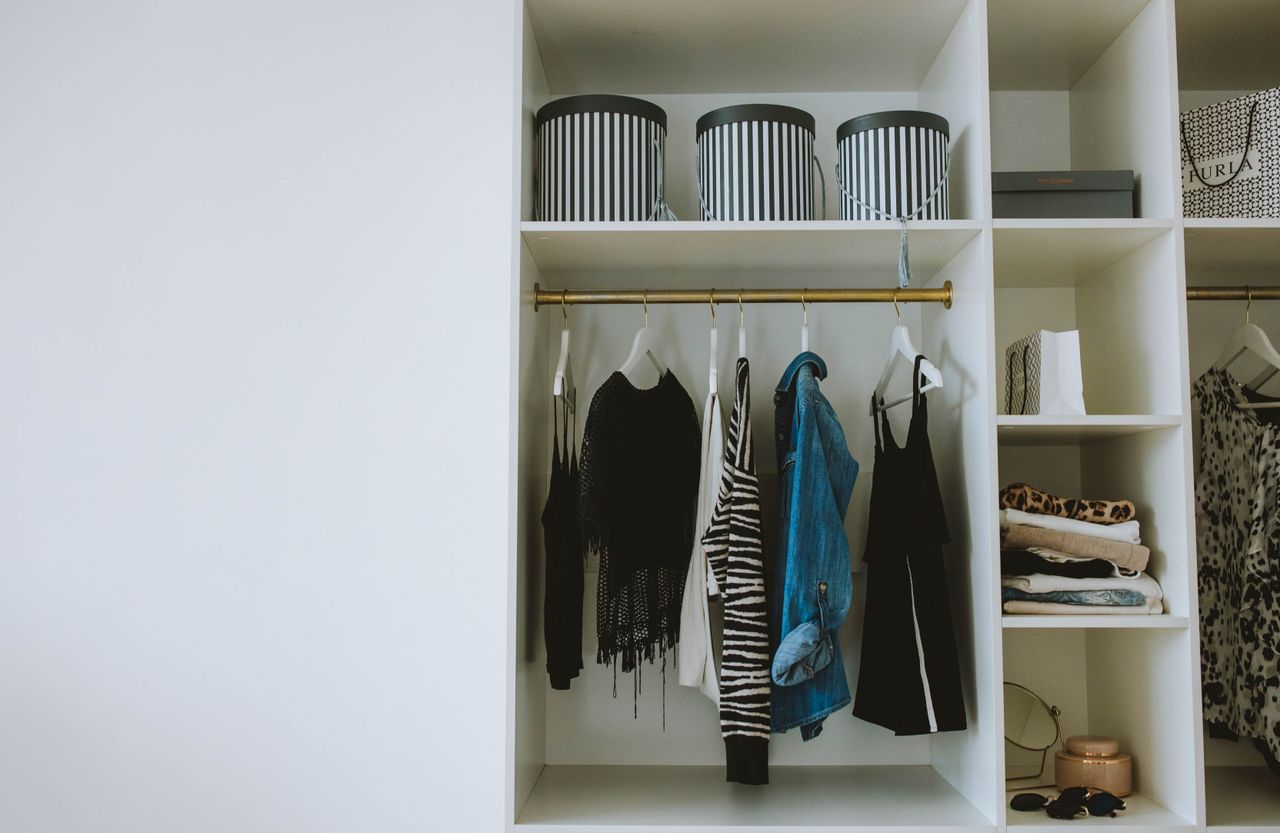
For homeowners who care about both style and function, custom closet installation can turn a plain reach-in or walk-in into a space that finally matches how you live. Your shoes, bags, folded clothes, hanging pieces, and accessories each get a real home.
And no, a good closet does not have to feel packed. A smart design helps maximize storage space while keeping everything easy to see. With custom closet installation, you can often gain storage without adding square footage at all. You’re simply using the height, depth, and corners that were sitting there all along.
What to Check Before You Start
Before you pick drawer fronts or hardware, take inventory. Long coats, dresses, boots, handbags, workout gear, and seasonal bins all need different storage.
Also, pay attention to your daily routine. Do you grab the same jacket every morning? Are your shoes always in a heap by the door? The best closet design works with your habits, not against them.
Next, let’s look at the features that turn a tired closet into a system that actually behaves.
Revolutionary Storage Ideas for Every Home Size and Style
Once you know where the space is being wasted, the right components can do the heavy lifting. This is where custom storage solutions go far beyond a shelf and a rod.
Modular Systems for Personalized Storage
Your wardrobe changes. Kids grow. Seasons shift. That’s why modular systems are so useful. Adjustable shelves, movable rods, and flexible accessories let the closet change with you instead of boxing you in.
Well-designed custom closets might include double-hang sections, pull-out baskets, divided drawers, and shelves you can raise or lower. The payoff is simple: better closet organization with less fuss every day.
Features That Go Beyond Standard Closets
Once the basic layout is right, the little upgrades can make a big difference. Pull-out shoe racks keep pairs together. Belt trays stop accessories from becoming a tangled nest. Jewelry inserts, built-in hampers, and drawer dividers keep small things from taking over.
Lighting deserves a shoutout too. Soft LED strips, motion sensors, and drawer lights make the whole closet easier to use. If you’ve ever hunted for a black sweater in a dark corner, you know exactly why this matters.
Designs for Small and Awkward Areas
Good closet features do more than look nice. They solve the spots that usually create clutter. Sloped ceilings, narrow side walls, and odd corners can still hold hooks, short-hang areas, shelves, or bins.
“The single‑rod system installed in most American homes since the 1950s wastes nearly half of a closet’s vertical space.” That one stings a little, doesn’t it?
When you plan upward and use strange angles wisely, even a compact closet can feel calmer and roomier.
Custom Closets for Walk-Ins, Reach-Ins, and Family Spaces
The best storage gains come from designing for the way the space is actually used. A walk-in closet has different needs than a mudroom closet, a child’s closet, or a shared hallway setup.
Walk-In Closets That Feel Calm
A walk-in works best when it has zones. Shoes in one area. Folded clothes in another. Long hanging, short hanging, accessories, and daily outfits all deserve their own place.
A bench, mirror, valet rod, or small vanity can make the room feel more finished. Just don’t fill every inch. A walk-in still needs breathing room, or it becomes a tiny storage room with a path through the middle.
Reach-In and Entryway Closets
With reach-ins, access is everything. Sliding doors, pull-out baskets, double rods, and shallow drawers can help you use the full width without losing things in the back.
Entryway closets need speed. Coats, shoes, umbrellas, bags, dog leashes, and sports gear should be easy to grab. These closets see real life every day, so they need to be simple and forgiving.
Kids’, Teens’, and Shared Family Closets
Kids’ closets need to adapt. Lower rods, open bins, soft-close drawers, and adjustable shelves make it easier for younger users to put things away. Well, most of the time.
For shared spaces, labels and separate zones can prevent daily arguments. It sounds basic because it is. But basic works.
Now let’s move from ideas to the choices that make a closet last.
Best Practices for Design, Materials, and Installation
A nice-looking closet is great. A useful closet is better. The planning stage is where you avoid regrets, wasted money, and shelves that looked good on paper but make no sense on a Tuesday morning.
Space Assessment and Design Consultation Tips
A strong consultation starts with accurate measurements and honest questions. What do you wear all the time? What do you avoid because it’s hard to reach? What ends up on the floor no matter how many times you clean?
Sketches or digital renderings help you picture the closet before anyone starts drilling. That preview gives you a chance to adjust drawer sizes, hanging space, shelf height, and accessories before installation day.
Materials and Finishes That Last
Materials matter more than people think. The right choice can keep a closet looking crisp for years. The wrong one may chip, sag, or feel dated too quickly. Melamine, wood, metal, and eco-friendly panels each have their place.
|
Material Choice |
Best Fit |
Key Benefit |
|
Melamine |
Busy family closets |
Easy to clean and budget-friendly |
|
Solid wood |
High-end walk-ins |
Warm look and long life |
|
Metal accents |
Modern designs |
Slim profile and strong support |
|
Eco-friendly panels |
Health-conscious homes |
Lower odor and cleaner indoor feel |
What to Expect During Installation
Before the installers arrive, empty the closet completely. Yes, completely. It’s also smart to protect nearby floors if there will be a lot of foot traffic.
Ask about the timeline, care instructions, and warranty before work starts. A smooth project depends on clear expectations. Guessing is where headaches begin.
With the basics handled, let’s talk about the current ideas making closets smarter, cleaner, and more useful.
Before-and-After Closet Transformations
Closet makeovers are satisfying because you can see the difference immediately. Still, the best results are not just about pretty shelves. They change how the space feels and functions.
What Changes Most
A crowded walk-in often becomes calmer when hanging sections are grouped by type and height. Shoes move off the floor. Bags stop collapsing into each other. Folded clothes finally get boundaries.
Reach-ins usually improve through access. Double rods, pull-outs, and better lighting make hidden areas usable again.
What Homeowners Notice Daily
Most people notice faster mornings first. You can see what you own, grab what you need, and put things away without wrestling the closet.
There’s also a quieter win: less visual mess. When the closet works, the whole bedroom can feel more settled.
Those results depend on thoughtful design and solid installation, which makes choosing the right company a big deal.
Choosing the Right Custom Closet Company
A good closet company should bring more than a catalog. You want a team that listens first, measures carefully, and explains why certain choices make sense.
Questions to Ask Before Hiring
Ask how measurements are taken, whether you’ll see designs before approval, and who handles the installation. Also ask about materials, warranties, timelines, and aftercare.
If financing is available, read the terms closely. A gorgeous closet still needs to fit your budget without making you wince.
Red Flags to Watch For
Be careful if a company rushes the design process or dodges questions about materials. Vague timelines and unclear warranty details can cause frustration later.
A strong provider explains options clearly and helps you avoid overbuilding. More features are not always better. Sometimes the smartest choice is the simplest one. Now that the planning pieces are on the table, here’s the big takeaway.
Final Thoughts on Making Every Closet Work Harder
A better closet starts with being honest about what you own, how your day flows, and where your current setup falls short. With thoughtful design, custom closet installation can turn wasted height, dark corners, and crowded rods into storage you actually enjoy using.
The best systems combine smart layout, durable materials, and easy habits that keep clutter from creeping back. If your closet frustrates you every morning, listen to that little groan. It’s your home telling you the space can work harder.
Common Questions About Making Closets Work Harder
How to maximize storage in a reach-in closet?
Use double-hang rods, shallow drawers, adjustable shelves, and pull-out baskets. If swinging doors block access, consider replacing them. Keep everyday items at eye level, shoes below, and seasonal items higher so the closet stays simple to use.
How to maximize storage in a deep closet?
Store less-used items in the back and daily items near the front. Add pull-out shelves, rolling bins, or sliding racks so nothing disappears. Good lighting also helps a deep closet feel less cramped.
Are custom closets worth it for small homes?
Yes, especially when every inch matters. Custom storage solutions can turn unused walls, vertical areas, and awkward corners into practical storage. A well-planned closet reduces clutter, improves routines, and helps small rooms feel more open.