

















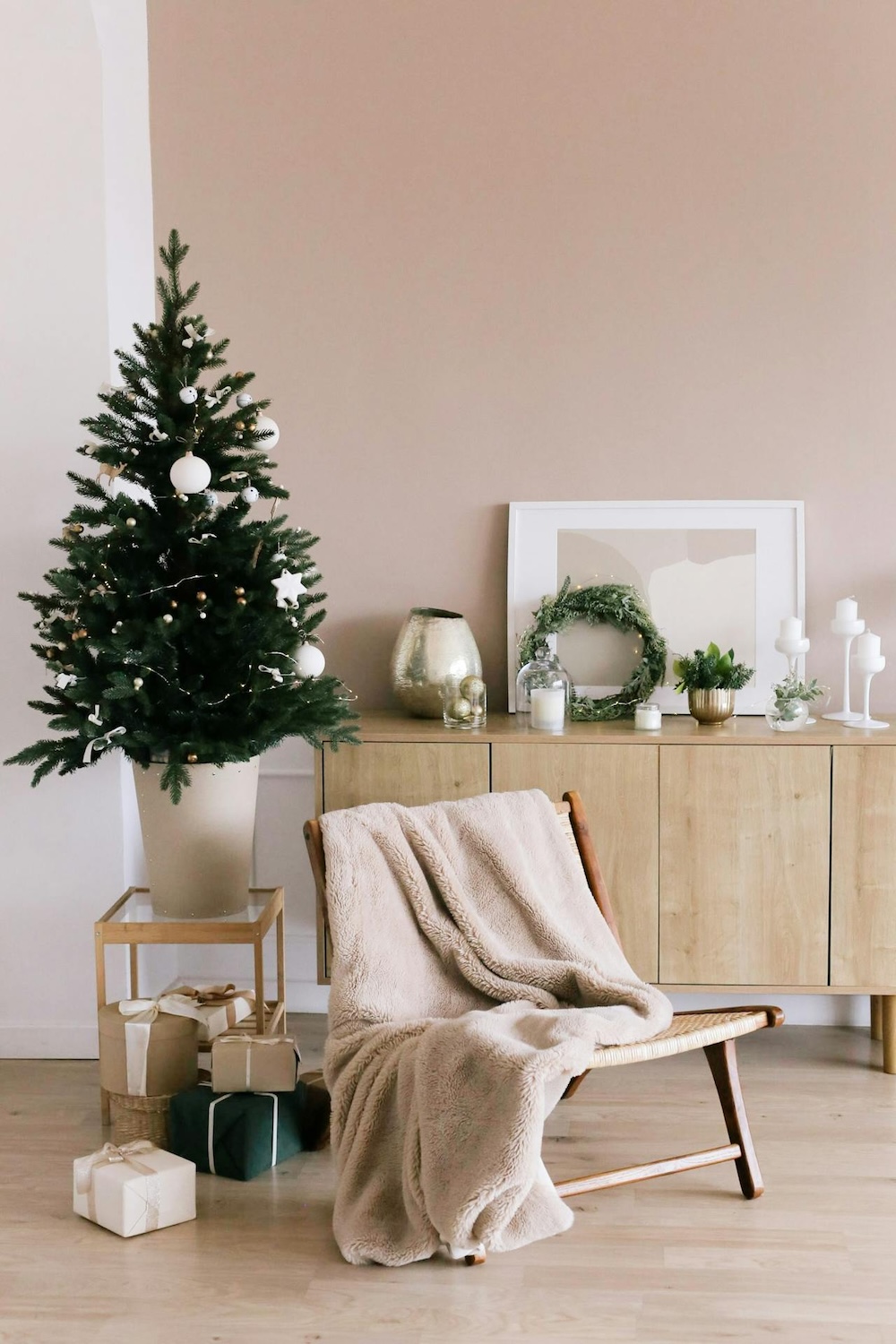
Winter turns your home into more than just a place to escape the cold. As the days grow colder and shorter, a few simple decor changes can make all the difference—enabling you to escape from the chill and enjoy the warmth of every room, both inviting and chic.
Simple updates like layering soft textures, incorporating warm lighting, and adding natural winter elements can make your entire home feel cozy without requiring a complete redesign. The beauty of winter decorating is how adaptable it is. With a handful of tweaks, you can bring the seasonal feels into your home without disrupting your style.
Whether you’re looking to update a single room or your whole house for the season, practical winter decorating decisions make it easier to embrace the cold weather and keep your space working for you. From your indoor living spaces to your outdoor areas, a few small changes can foster a cozy ambiance that helps you hunker down until spring shows up.
Key Takeaways
- Layer textures and lighting to create warmth in your living spaces without major renovations
- Choose winter color palettes and natural elements that complement your existing home style
- Extend seasonal comfort to bedrooms, dining areas, and outdoor spaces with simple decor updates
Essential Winter Decor Elements
Winterizing your home revolves around 3 things: soft, tactile textiles, lighting that brightens shorter days, and layers of rugs to warm up your floors.
Cozy Textiles and Throws
Textiles are the basis of winter coziness in every room. Begin with throws in chunky knit wool, faux fur or fleece in neutral shades of cream, grey and taupe. These substances create heat traps but also provide visual texture to couches and armchairs.
Layer different fabrics for depth. Pair a silky velvet pillow with a cable-knit throw and a faux sheepskin throw pillow. This texture mixing gives the impression that rooms are styled on purpose and not just thrown together.
Key textile placements:
- Drape throws over sofa arms and chair backs
- Stack 3-5 pillows per seating area in varying sizes
- Add fabric to unexpected spots like benches and window seats
Replace the airy summer curtains with heavy draperies in either wool or velvet. The bulk prevents drafts and imparts a sense of coziness and shelter from the elements outdoors.
Seasonal Lighting Ideas
The need for artificial lighting in the short days of winter is what brings warmth. Rather than using overhead lighting by itself, use multiple light sources that are at varying heights.
String lights are not just for the holiday season. Drape them on mantels, twine them around mirrors, or put them in glass containers for all-season wintery glow. Use warm white bulbs (2700K-3000K) rather than cool white to get a softer glow.
A candle not only emits light, but also makes you feel warm and comfortable. Cluster pillar candles of different heights on trays, or scatter votives around your room. Battery-operated flameless candles are great for use in busy places where an open flame would not be suitable.
The light of the table lamps and floor lamps with fabric shades is softer than that of bare bulbs. Place them in reading nooks and next to seating areas where you find yourself most often on dark evenings.
Layering Rugs for Warmth
Layering rugs provides added warmth against chilly floors and helps create defined areas in open floor plans. Begin with a large neutral base rug in jute, sisal or a low-pile wool. This grounds your room and gives you a place to start layering.
Add a smaller accent rug on top in a contrasting texture or color. A high-pile wool-sheepskin or a runner in pattern works beautifully on top of natural fibre bases. Contrasting textures bring interest to the eye—and make floors feel more solid.
This method is especially effective in bedrooms, since your feet rest on the floor when you wake up in the morning. Lay a plush rug next to your bed on top of carpet or wood. The added layer brings warmth and softness that individual rugs are unable to provide.
Winter Decor Color Palettes
Winter color schemes provide the basis for creating a space that feels like a seasonal escape, whether you lean towards warm neutrals, sharp cool, or classic holiday colors.
Neutral and Earthy Tones
Neutral tones and earth shades lend warmth and make for a cozy base that you can carry through the cooler months and beyond. Warm beiges, delicate taupes, and off-whites create a calming canvas that turns your home into a snug escape from winter weather.
Warm brown hues add depth and stability to your wintery design scheme. Consider chocolate, caramel and cognac tones in throw blankets, leather accessories or wooden furniture.
Layer different neutral textures for a visually interesting effect that isn't too busy. Linen curtains, wool throws, jute rugs, velvet cushions and matt finishes with a touch of sheen.
Sage, olive, and mossy greens play beautifully alongside neutrals. These hues take their inspiration from winter evergreens and add a cultured, organic vibe to your spaces.
Icy Blues and Silvers
Cool winter tones capture the serene quality of frost-covered mornings and snowy landscapes. Pale blues, silvery grays, and crisp whites reflect natural winter elements while creating a calming atmosphere in your home.
Powder blue and ice blue work particularly well in bedrooms and bathrooms where you want a tranquil environment. Pair these shades with white linens and silver hardware for a cohesive winter look.
Metallic silver accents add shimmer without appearing overly festive. You can incorporate silver through picture frames, candle holders, mirror frames, or decorative bowls that catch and reflect winter light.
Gray serves as an excellent neutral anchor for icy color schemes. Charcoal, slate, and dove gray provide contrast against lighter blues and whites while maintaining the winter aesthetic you're building.
Classic Red and Green Accents
Red and green remain timeless winter colors that extend beyond holiday decorating. Deep burgundy, wine red, and cranberry shades bring warmth and richness to winter rooms without feeling exclusively festive.
Forest green, emerald, and hunter green add sophistication to your decor. These deeper greens work year-round but feel especially appropriate during winter months when you want connection to evergreen trees.
You can use red and green sparingly as accent colors rather than dominant ones. Try burgundy pillows on a neutral sofa, a green throw blanket on your bed, or red candles on your dining table for subtle seasonal touches.
Mixing these traditional colors with neutrals keeps them from feeling too holiday-specific. Combine forest green with cream and wood tones, or pair burgundy with gray and brass for a more refined winter palette.
Living Room Winter Transformations
Your living room turns into your home’s comfort station during the colder months. The mantel decor, a well-placed group of pillows, or a chosen centerpiece can transform your whole room from bland to inviting.
Fireplace Mantel Styling
Your fireplace mantel is a natural focal point in wintertime. Begin with a layered look by using a big mirror or art as your background, then bring in dimensional pieces in front.
Try using white birch logs stacked on one side for texture and a natural look. Evergreen garland laid across the mantel provides organic green without taking over the room. Place 3-5 candles of different heights out in the open in white or cream, or soft grey pillars.
Key styling elements:
- Lanterns filled with pinecones or LED candles
- Small potted plants like white cyclamen or paperwhites
- Wooden signs or framed winter prints
- Glass vessels with faux snow or cotton
Keep items at different heights to create visual interest. Group decorative objects in odd numbers, which naturally draws the eye. Leave some negative space rather than covering every inch of the mantel surface.
Switch out brass or gold accents for silver, pewter, or matte black finishes that complement winter's cooler aesthetic.
Decorative Pillows and Cushions
Winter pillows transform seating areas with minimal effort and cost. Choose fabrics like faux fur, cable knit, velvet, or wool that invite touch and add warmth.
Your color palette should include cream, charcoal, deep navy, forest green, or burgundy. Mix solid colors with subtle patterns like buffalo check, fair isle designs, or simple stripes. Aim for 3-5 pillows per sofa, varying sizes from 18-inch to 22-inch squares.
Texture combinations that work:
- Chunky knit with smooth velvet
- Faux fur with linen
- Cable knit with solid cotton
Layer pillows by placing larger ones in back corners and smaller accent pillows in front. Insert pillow forms one size larger than your covers for a fuller, more luxurious appearance. Remove lightweight summer pillows completely rather than mixing seasons.
Winter Centerpiece Arrangements
Your coffee table or console deserves a centerpiece that grounds the room without overwhelming it. A wooden dough bowl or metal tray rounds out your arrangement.
Fill bowls with pinecones, branches or clippings of greenery. For soft evening ambiance, weave battery-operated string lights through the arrangement. Have one statement piece like a white ceramic house, a frosted glass vase or a wooden carved object.
Simple centerpiece ideas:
- Clear hurricane vases with Epsom salt as faux snow and pillar candles
- Stacked vintage books topped with a small plant
- Wooden trays with grouped candles and greenery sprigs
- White ceramic bowls filled with ornamental balls
Keep your centerpiece low enough for conversation sight lines across seating areas. Rotate elements every few weeks to maintain freshness without buying new items.
Winter Decor for Bedrooms and Dining Spaces
Converting your bedroom into a snug haven and dressing your dining room for winter entertaining are all about texture, warmth and seasonal details. With the right bedding layers, a well-considered table setting and seasonal artwork, you can make warm and welcoming spaces that hibernate nicely in the cold months.
Layered Bedding Choices
Go for a good bottom layer with flannel or jersey knit sheets that hold in heat and still feel soft on your skin. Cotton flannel sheets in the range of 170-190 grams per square meter have the right level of warmth and breathability.
Use a wool or down comforter as your main warmth layer. 600-800 Fill Power Down Comforters provide excellent warmth without being too bulky. If you have other preferences, there are also synthetic microfiber comforters that will keep you just as warm, but for less money.
Layer decorative elements on top for function and style. Lay a chunky knit throw at the foot of your bed in cream, gray or winter hues such as burgundy or forest green. Create visual interest by adding a few more pillows with covers in velvet, faux fur or cable knit.
Think about a quilted coverlet or duvet cover in seasonal prints such as plaid, buffalo check or muted winter florals. These items shield your comforter and provide an additional layer of heat that you can control depending on the climate.