

















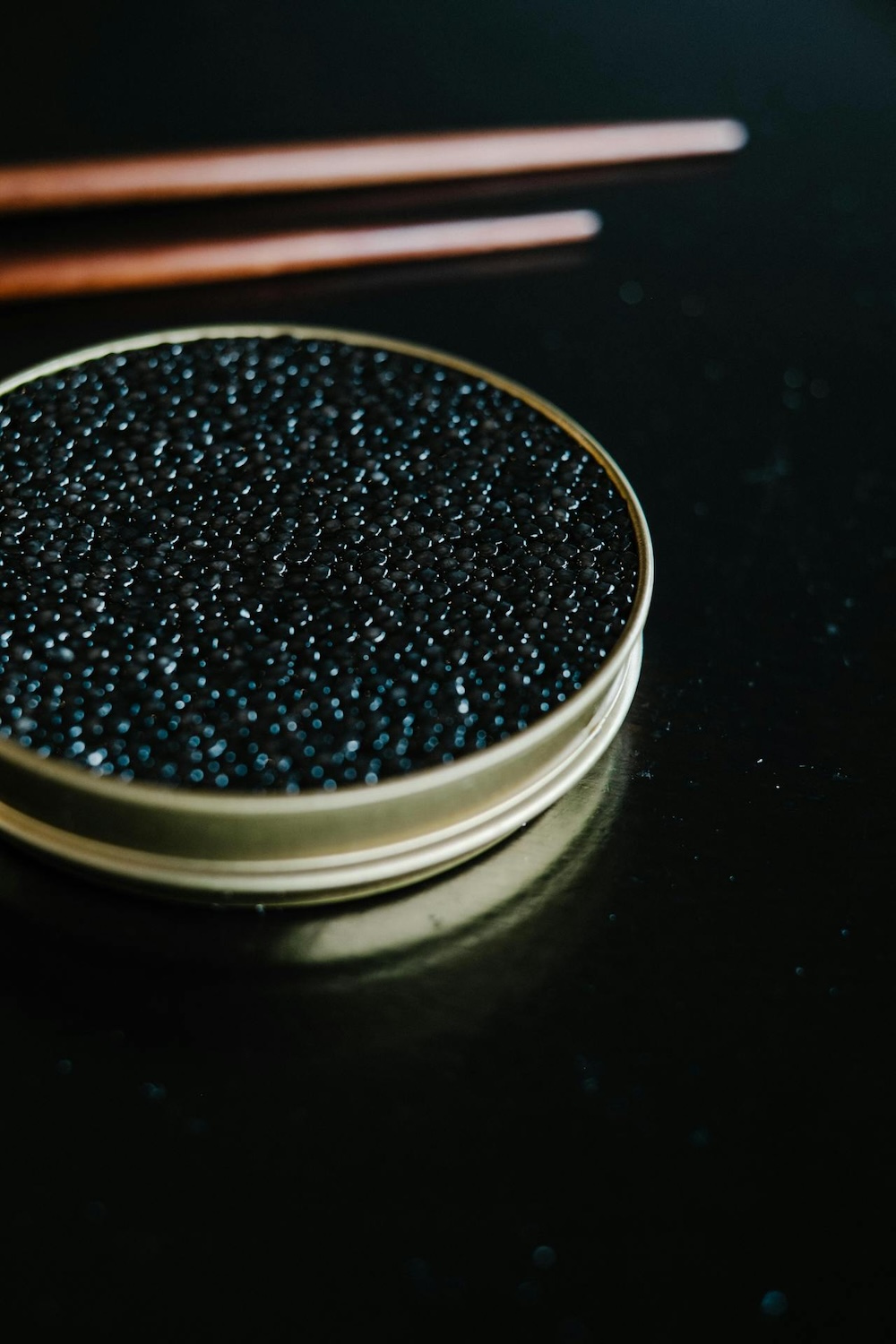
Is the New Caviar Sustainable? How Science is Reshaping Fine Dining
TL;DR: The Quick Bite
For decades, the definition of "luxury dining" was predictable. It meant Kobe beef flown in from Japan, oysters from France, and out-of-season berries that traveledfurther than most people do in a year. Exclusivity was defined by distance and difficulty.
But in 2026, the script has flipped.
Walk into the world’s most acclaimed kitchens today—from Copenhagen to Beirut—and you won't hear chefs bragging about their air-freighted cargo. Instead, they are boasting about soil health, zero-mile sourcing, and ingredients chosen not just for flavor, but for their carbon footprint. We are witnessing the rise of Eco-Gastronomy, a movement where culinary art meets environmental science.
Here is how the definition of a "good meal" is changing, and why the science behind your dinner is more exciting than ever.
The End of "Food Miles" as a Status Symbol
The old model of fine dining was a logistical nightmare for the planet. Importing perishable luxury goods creates a massive carbon trail. Today, the true flex for a chef is creativity within constraints.
Leading restaurants are swapping imported staples for hyper-local alternatives that mimic or exceed the original flavors. It is no longer about sourcing the rarestingredient; it is about sourcing the smartest one. This shift isn't just ethical; it is practical. By shortening supply chains, chefs get fresher produce that hasn't spent days in a cargo hold, resulting in better taste.
Science on the Menu
This transition isn't just a romantic "farm-to-table" trend; it is backed by hard data. We now have access to comprehensive scientific research on environmental impactwhich highlights exactly how high the cost of traditional food production really is.
Chefs are using this data to engineer menus that maximize pleasure while minimizing harm. For example, rather than serving water-intensive beef, a kitchen might focus on dry-aged root vegetables or sustainable seafood that actually helps clean the ocean. It is a data-driven approach to deliciousness.
The Rise of "Climate-Smart" Ingredients
So, what does this look like on your plate?
Why Your Order Matters
The most empowering part of this shift is that the diner holds the power. Every time we book a table or order a dish, we are voting for the kind of food system we want to exist.
The link between our forks and the atmosphere is undeniable. Recent findings suggest that what you eat could decide the planet's future, proving that dietary changes can be more effective than almost any other personal lifestyle choice in reducing global warming.
When we choose restaurants that prioritize sustainability, we aren't just having a meal; we are funding a future where good food can exist forever.
Conclusion
Eco-gastronomy proves that we don't have to sacrifice flavor to save the world. In fact, by forcing chefs to look closer to home and think more critically about their ingredients, we are entering a new golden age of creativity. The new luxury isn't about excess; it's about intelligence. And that tastes better than anything else.
Frequently Asked Questions (FAQ)
What exactly is Eco-Gastronomy?
Eco-gastronomy is a movement that connects food (gastronomy) with ecological responsibility. It emphasizes that food should be good (flavorful), clean (sustainable), and fair (respectful to farmers). It challenges the idea that "gourmet" food must be wasteful or resource-intensive.
Does sustainable food taste different from traditional luxury food?
In many cases, it tastes better. "Sustainable" often means "local and seasonal." A tomato picked yesterday from a local farm will always have a richer flavor profile than one picked green and shipped across an ocean. Furthermore, chefs often use creative techniques like fermentation on these ingredients, unlocking new and complex flavors.
Is eating locally always better for the environment?
Usually, yes, but not always. "Food miles" are only one part of the equation. How the food was grown matters too. For example, growing a tropical fruit in a heated greenhouse in a cold country might use more energy than shipping it from a tropical country. This is why the smartest chefs look at the total "Life Cycle Assessment" of an ingredient.
Can one person really make a difference by changing their diet?
Absolutely. Food production accounts for a massive chunk of global greenhouse gas emissions (over 25% by some estimates). Shifting demand away from high-impact foods (like industrial beef) to lower-impact options forces the market to adapt. As consumer preferences change, the entire industry shifts to meet that demand.