














When the Table Is All You Have Left
In times of crisis, the cheapest meals often carry the most meaning.
There is a particular kind of hunger that has nothing to do with an empty stomach. It is the hungerthat sets in when the news is too heavy, when the bills feel too real, when the world outside thewindow no longer looks the way it used to. It is a hunger for safety. For warmth. For something — anything — that feels like it still makes sense.
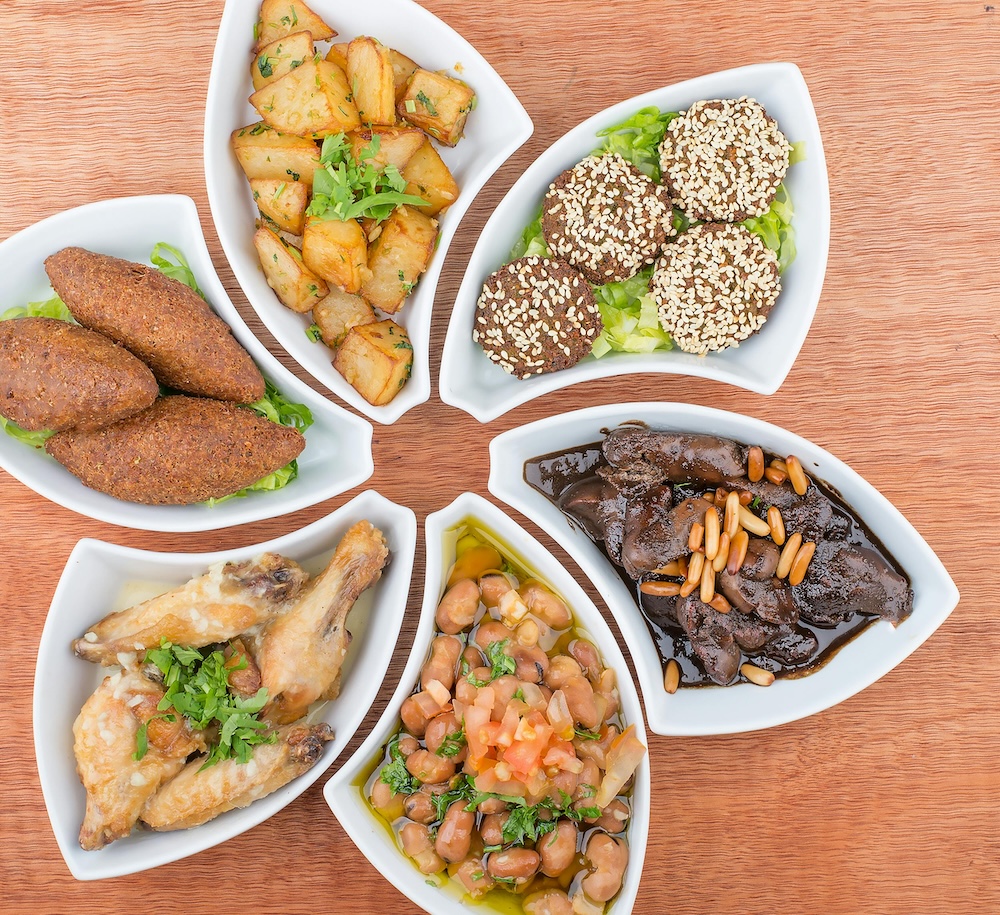
And almost every time, without even deciding to, we turn to food. Not the fancy kind. Not theInstagram kind. The simple kind. The kind that costs almost nothing and somehow gives back everything.
The most comforting meals in the world were never born in fine dining kitchens. They were born outof necessity — and love.
Crisis Cooking: A Story as Old as Humanity
Every culture on earth has its crisis food. In Lebanon, it is a pot of mujaddara — lentils and ricecrowned with caramelized onions, a dish so ancient and so humble it appears in the Bible. In Italy, it is pasta e fagioli, beans and pasta thrown together from whatever is left in the pantry. In Japan, itis okayu, a thin rice porridge given to the sick, the tired, and the grieving alike.
These dishes were not invented for pleasure. They were invented for survival. And yet, ask anyonewho grew up eating them, and they will tell you: nothing has ever tasted better. Because the secretingredient in all of them is not technique or expensive produce — it is the fact that someone madesomething out of almost nothing, and did it with care.
That is the alchemy of comfort food. It transforms scarcity into abundance. It turns a difficult dayinto a bearable one.
A Dollar's Worth of Dignity
In times of economic hardship — and we are living through one right now, in so many parts of theworld — the kitchen becomes one of the last places where we still feel some control. You may notcontrol the price of fuel, or the stability of your currency, or the news that wakes you up at 3am. But you can still boil an egg. You can still fry an onion until it turns golden and sweet. You can stillmake soup.
There is real dignity in that. A dignity no crisis can fully take away.
A bag of dried lentils costs almost nothing. A few potatoes. A handful of rice. Some olive oil, a pinch of cumin. The building blocks of the most nourishing meals in the world are, almostuniversally, the cheapest things at the market. The cuisine of the poor has always been, quietly, thecuisine of the wise.
What We're Really Feeding
When we reach for comfort food in hard times, we are not being weak or indulgent. We are beingdeeply, instinctively human. Food is one of the oldest forms of self-regulation we have. Beforetherapy, before meditation apps, before any of the modern vocabulary of wellness — there was a warm bowl placed in front of someone who needed it.
Neuroscience has started to explain what grandmothers always knew: warm, starchy, familiar foodsactivate genuine neurological responses. They reduce cortisol. They stimulate serotonin. Theysignal to the nervous system that, at least for this moment, things are okay.
When we cook in hard times — even something small — we are making an act of defiance againstdespair. We are saying: I am still here. I am still taking care.
The Heroes Who Keep the Table Alive
Some places understand this instinctively. Take Zaroob, the Levantine street food restaurant onSheikh Zayed Road in Dubai, whose very name means "small alley" in Arabic. Founded on thesimple idea of bringing authentic, affordable street food from across the Levant to a modern setting, Zaroob has been doing exactly what comfort food does best: making people feel at home, eventhousands of kilometres from where they grew up.
When NoGarlicNoOnions founder Anthony Rahayel brought Abou Shady — the legendaryLebanese street food hero known for his hand-peeled hummus and traditional foul — to cook live atZaroob in Dubai, hundreds of families showed up. Not just for the food. For the feeling. For thesmell of something honest. For the experience of tasting Lebanon in a single bite, during a timewhen Lebanon itself is going through one of its hardest chapters.
That is the power of humble food. It carries an entire identity. It says: we are still here. We are stillcooking. We have not forgotten who we are.
On Screen, In the Kitchen, In the Street
This same spirit runs through Mechwar, the road-trip food show created by NoGarlicNoOnions thattakes viewers off the beaten path to discover the real soul of Lebanese and Arab cuisine — not infancy restaurants, but in roadside joints, family kitchens, and village bakeries where bread is stillmade by hand every morning.
What Mechwar reveals, episode after episode, is that the most extraordinary food experiences in theArab world are almost always the most modest ones. A saj bread fresh off the fire at dawn. A grandmother's kibbeh. A glass of arak poured on a plastic table under a vine. These are notInstagram moments. They are life moments. And they are available to everyone, regardless of howmuch money is in their pocket.
Eat Well, Even When Times Are Hard
We want to say this clearly, because it matters: eating well does not require money. It requiresintention. It requires the knowledge that a simple meal made with care is worth infinitely more thanan expensive one eaten in distraction.
The world's greatest comfort foods — the ones that have outlasted empires, migrations, andcenturies of hardship — are almost always cheap. Almost always slow. Almost always shared.
So if you are going through something right now — personally, collectively, or both — weencourage you to go to your kitchen. Find what you have. Boil some water. Start with an onion. You might be surprised what comes out of it.
Explore Further
→ Zaroob — Levantine Street Food — Sheikh Zayed Road, Dubai
→ Souk El Akel — Lebanon's Street Food Festival — Where Lebanese food culture comes alive
— NoGarlicNoOnions · nogarlicnoonions.com