

















The Stage Is Set: How Restaurants Engineer Romantic Ambiance
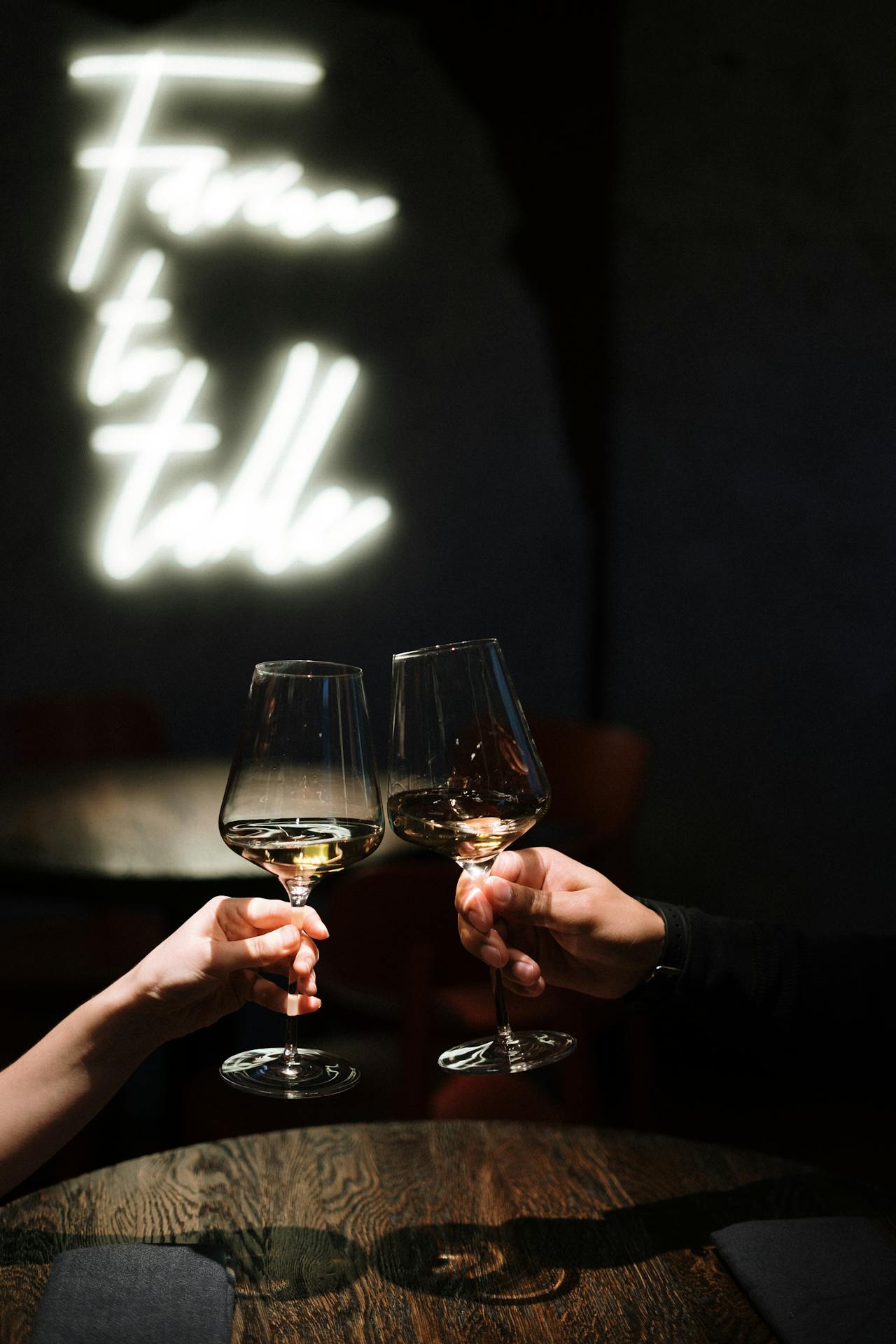
Upscale restaurants design their ambiance with precision. Soft lighting, carefully curated playlists, and elegantly arranged seating all work together to create a specific mood. Research by Gert De Mangeleer, chef at Hertog Jan at Botanic, highlights how these elements shape perceptions. Seating is arranged to keep couples engaged, with tables spaced for privacy without isolation. The right music reinforces intimacy without disrupting conversation.
Even before stepping inside, reservation data suggests the anticipation plays a role. For Valentine's Day, 52 percent of reservations are booked six or more days in advance. Demand extends beyond the day itself, with Saturdays before and after also seeing high booking rates. This pattern indicates that the setting is not simply about enjoying a meal—it is about buying into an expectation.
Beyond the Meal: The Role of Personalization and Service
Luxury dining elevates the experience by incorporating personal touches. Restaurants such as 7132 Silver offer private dining spaces, specialized menus, and customized gifts. Effort goes into making diners feel unique, reinforcing the perception that the night is more meaningful.
Personalized service enhances this illusion. Attentive staff anticipate needs before they are voiced. Every detail, from the wine pairing to the pace of the meal, is fine-tuned to maintain the illusion of seamless romance. These carefully orchestrated gestures contribute to how diners evaluate the evening. However, research indicates that this type of personalization creates only a temporary sense of connection. Without a deeper foundation, the sentiment fades.
The Illusion of Effortless Romance
An elegant restaurant can make romance feel effortless. The setting, the curated menu, and the attentiveness of the staff all create a seamless experience that requires little effort from either person at the table. For some, this illusion reinforces the belief that chemistry alone is enough to sustain a connection. However, without shared values or intentional effort beyond the ambiance, the initial charm of a well-plated meal can wear off quickly. Long-term compatibility relies on more than a perfectly dimly lit dinner setting arranged to impress.
People have different expectations when it comes to dating and romance. Some prioritize emotional connection, while others value effort, consistency, or shared ambitions. Some may seek partners who complement their lifestyle goals, like those interested in dating a high value man who embodies decisiveness and ambition. Others may prefer relationships that emphasize spontaneity and adventure rather than structured planning. Regardless of preference, a single evening in an upscale restaurant is rarely enough to define what kind of connection will last beyond the final course.
Social Media's Role: Capturing the Moment, Not the Meaning
The growing emphasis on visual appeal influences expectations of romance. Diners frequently document their meals, often spending as much time photographing dishes as they do eating. Influencers, such as Aiste Miseviciute and Emily Jane Johnston, regularly highlight high-end restaurants, reinforcing the idea that exquisite presentation equates to a meaningful occasion.
Restaurants have adapted by designing spaces that photograph well. Lighting, decor, and plating are optimized for social media. However, research indicates that these visual elements do not necessarily translate into lasting emotional impact. The focus on aesthetics can obscure deeper emotional connections, leaving the evening defined more by presentation than interaction.
Escapism or Authentic Connection?
Successful themed restaurants create an emotional connection by drawing on nostalgia, cultural heritage, or fantasy. For example, Tsukimi in New York incorporates Japan's moon-viewing tradition with subtle, thoughtful details. In contrast, restaurants that use cultural motifs as decoration without deeper meaning risk feeling superficial.
Immersion matters. Ultraviolet in Shanghai incorporates dynamic projections, soundscapes, and scents to engage all the senses. The goal is to transport diners into an experience beyond the meal. While this level of detail heightens the setting, it also highlights a problem—when the night is too scripted, it becomes a controlled performance rather than an organic moment.
This control can undermine spontaneity. Overly choreographed experiences may impress initially, but without unpredictability, they lack the richness of genuine interaction. Research suggests that successful restaurant design finds a balance, allowing structure without rigidity.
Expectations vs. Reality: Why the Romance Fades
Mismatch between setting and substance can disrupt the illusion. A coastal-themed restaurant serving generic fusion food feels inconsistent. The decor promises one thing, while the menu delivers another. If the atmosphere suggests romance but interactions remain surface-level, the setting alone cannot compensate.
Unrealistic expectations contribute to disappointment. Studies indicate that people who equate luxury dining with deeper emotional significance may misinterpret an evening as more meaningful than it truly is. When the restaurant ceases to be part of the equation, the effort required to maintain engagement shifts entirely to the relationship itself.
Consumer Behavior and the Desire for Experiences
Trends suggest that consumers value experience over material gifts. OpenTable reports that 28 percent of people prefer receiving an experience rather than a tangible present. A well-planned meal satisfies this preference. However, the expectation surrounding the occasion means that a lack of chemistry or depth becomes more apparent.
Financial investment plays a role. Data from OpenTable reveals that 70 percent of diners plan to spend the same or more on Valentine's Day than the previous year. This spending reinforces the idea that an upscale meal equates to a meaningful experience. When expectations surpass reality, dissatisfaction follows.
Conclusion: Styling Romance vs. Sustaining It
Luxury restaurants carefully construct an illusion of effortless romance through ambiance, service, and attention to detail. However, research suggests that without authenticity and shared effort, the effect is temporary. The visual spectacle and immersive setting can heighten an evening's appeal, but long-term connection depends on deeper compatibility.