















Let’s be real: we’ve all had those moments where we scroll through food delivery apps, drowning in a sea of generic pasta bowls, sad burritos, and sushi that barely resembles what it’s supposed to be. But here’s the thing, something incredible is happening in 2025. People are ditching the cookie-cutter food scene and heading back to their roots. Authentic cuisine? It’s not just trendy anymore. It’s becoming the thing everyone craves, and it’s making a seriously bold comeback.
The Age of "Same-Same" Food Is Over
Over the past decade, food got a little... weird. Not in the fun, “wow, that’s creative” kind of way. More like “why does every sandwich taste like every other sandwich” kind of way. Chain restaurants took over, meal delivery kits flooded our kitchens, and ghost kitchens started cranking out mass-produced dishes under ten different names. Don’t get me wrong, convenience is awesome. But people started noticing something was missing.
Flavor. Soul. Stories. Culture.
You know, the good stuff. The kind of food that tells you where it came from, who made it, and why it matters. That’s what authentic cuisine brings to the table literally.
What Even Is Authentic Cuisine?
Let’s clear the air. “Authentic” doesn’t mean fancy or expensive. It doesn’t mean everything’s cooked by someone’s Italian nonna (though if you’ve got one, lucky you). Authentic cuisine is about staying true to a region’s traditional way of cooking. It’s real ingredients, real techniques, real flavors.
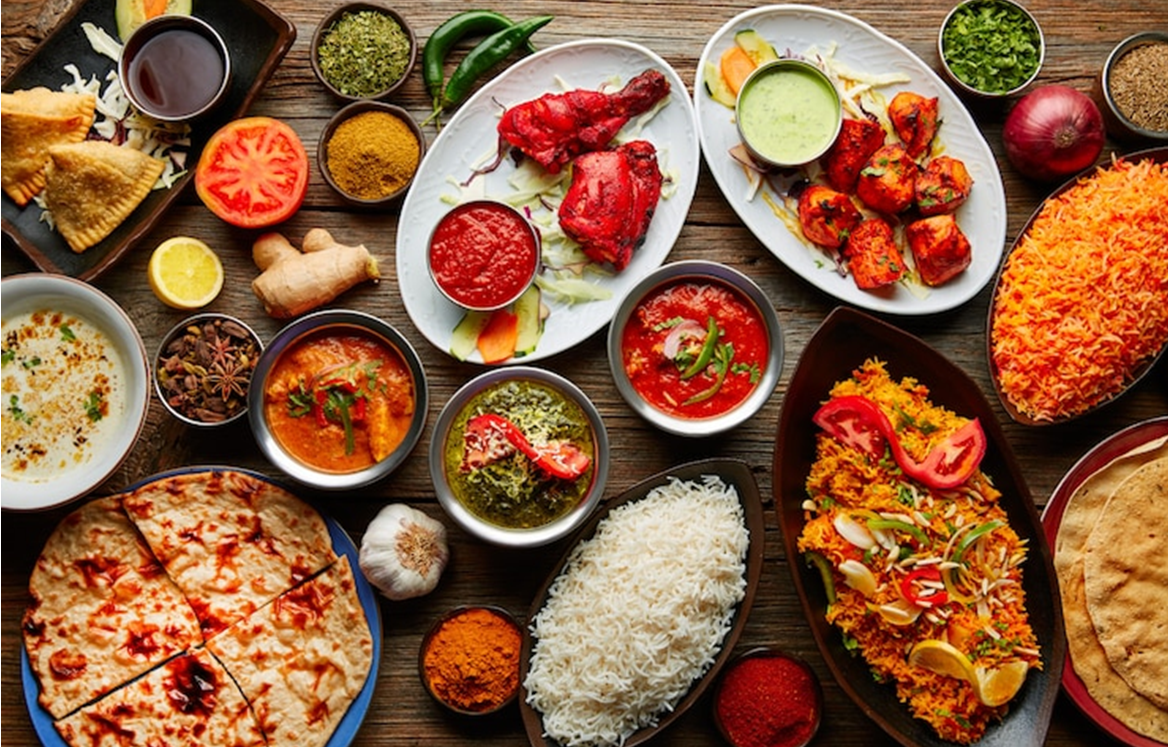
Whether it’s a smoky tandoori chicken grilled over charcoal in Delhi, handmade tamales wrapped in corn husks in Mexico, or a steaming bowl of pho that took hours to simmer in Hanoi it’s food that’s made the way it’s meant to be made.
It’s the kind of stuff that makes you stop mid-bite and go, “Oh wow. That tastes like home... or like I wish this was my home.”
The Pandemic Changed How We Eat
We can't ignore the big shift that kicked off this culinary awakening: the pandemic. When restaurants shut down, people went back to their kitchens. Sourdough starters became pets. Dalgona coffee went viral. Families passed down old recipes. And suddenly, everyone realized two things:
- Cooking isn’t that hard when you’re not rushing everywhere.
- Authentic recipes actually taste better.
There was something magical about discovering that grandma’s curry recipe was 10x more satisfying than the takeout version. Or that making tortillas from scratch felt weirdly meditative. People started finding comfort, pride, and joy in traditional food.
Social Media Got Real About Food
Let’s talk about Instagram and TikTok for a sec. Remember when food content used to be all about rainbow bagels and donut burgers? Well, that’s shifted big time.
Now, feeds are packed with grandmothers showing off their heirloom recipes, street vendors sharing how they make their specialties, and home cooks celebrating their cultural heritage. And viewers are eating it up-pun intended.
We’re seeing more of:
- Thai grandmas making green curry from scratch in the jungle
- West African chefs breaking down jollof rice wars (in the most delicious way)
- Korean moms showing how to ferment kimchi the “real” way
- Armenian bakers walking us through making lavash by hand
This isn’t the highly stylized, over-filtered food of 2015. It’s raw. It’s real. And it’s delicious.
Cultural Pride Is on the Rise
Here’s the heart of it: people are reconnecting with their heritage like never before. For a long time, immigrants and people from diverse backgrounds were told to “Americanize” their food. Spices were toned down. Names were changed. Traditional dishes were called “ethnic” like it was something strange.
But now? That’s flipping.
Young people especially are embracing their roots and using food to tell their stories. Second- and third-generation kids are digging into their culture’s dishes not just to eat, but to understand who they are. It’s personal.
And when you eat someone’s authentic cuisine, you’re not just tasting the food, you're getting a bite of their identity, history, and heart.
Farm-to-Table is Back (With a Twist)
Another reason authentic cuisine is rising again? People are waking up to what’s actually in their food.
All those processed sauces, artificial seasonings, and sketchy frozen ingredients? Not cutting it anymore.
In 2025, people want real ingredients with real stories. Think:
- Tomatoes grown in backyard gardens for homemade sauces.
- Herbs picked fresh to go in family stews.
- Chickens raised on small farms, not mega-factories.
But this time around, it’s not just farm-to-table it’s culture-to-table. Ingredients are being sourced specifically to honor traditional recipes. People are importing spice blends from their hometowns, finding local farmers who grow authentic varieties, and forming co-ops to bring cultural ingredients back into their communities.
Authentic Doesn’t Mean Outdated
Now, just because it’s traditional doesn’t mean it’s stuck in the past. One of the coolest things about this comeback is the way chefs are blending the old with the new.
You’ve got Filipino chefs adding French techniques to their family’s adobo recipes. Or Nigerian cooks reinventing street food for the fine dining scene. Or Indian home chefs making butter chicken tacos. It's fusion but the respectful, rooted kind. The kind that says, “I know where I come from, and I’m playing with it proudly.”
Authenticity doesn’t mean no creativity. It means creativity is grounded in something real.
Street Food Is Having a Moment
If you’ve traveled (or if you’ve just binged enough food shows), you know that some of the best food on the planet comes from tiny stalls on the side of the road.
And now? That same vibe is taking over in cities around the world.
Food trucks, pop-ups, and street markets are exploding again. But instead of trying to be “trendy” or “cool,” they’re just being real. Serving handmade momos, grilled satay, pupusas, kebabs, dosa you name it. And people are lining up because they know that’s where the flavor is.
It’s not about ambiance. It’s about authenticity. A folding chair, paper plate, and plastic spoon never looked so good.
Nostalgia is Driving Food Choices
Let’s be honest. Food is tied to memories. And lately, with the world feeling kind of unstable, people are craving comfort. Not just any comfort, familiar comfort.
The smell of your mom’s rice and beans. The warm, oily hug of street samosas. The fluffy bao you used to eat after school.
Authentic cuisine taps straight into that emotional memory bank. It makes people feel safe, connected, grounded. It reminds us of who we are and where we came from.
Restaurants Are Listening
Even restaurants are shifting their game. The big chains are still doing their thing, but independent restaurants are leaning hard into authenticity. No more trying to “tone things down” for broader appeal.
Menus proudly list traditional names. Spices are not being dialed back. Recipes aren’t being simplified for “mainstream” taste buds.
Instead, chefs are saying, “This is how we eat it back home. Come try it.” And diners? They’re loving it. There’s a huge appetite (literally) for bold flavors, regional specialties, and food with a story.
Cookbooks and Classes Are Getting Real, Too
Gone are the days of overly polished cookbooks that make you feel like you’ll never be able to pull off that French dish. Now, people want cookbooks that teach, that share culture, that respect traditions.
And online cooking classes? They’re booming, especially the ones that invite you into someone’s real kitchen. It’s no longer about mastering “global cuisine” it’s about learning to make your neighbor’s grandma’s lentil soup exactly the way she’s made it for decades.
TikTok Recipes Can’t Compete With Grandma
Listen, we all love a quick TikTok food hack. Who doesn’t want to see cheese get pulled apart in slow motion? But after the hype fades, what really sticks is the stuff with roots.
A 15-second video showing how to make an “Asian-style pasta” just doesn’t compare to watching someone explain how their family’s soy sauce recipe was passed down four generations.
Flashy trends are fun, but they fade. Authenticity sticks. It lingers. Like the smell of spices in your clothes after a good meal.
It’s Not Just About Food—It’s About Connection
At the end of the day, food is so much more than just something we put in our mouths. It’s how we bond. It’s how we share. It’s how we understand one another.
And authentic cuisine is full of stories. It invites questions like:
- Why do you eat that during holidays?
- What makes this version special to your region?
- Who taught you how to make it?
It turns eating into storytelling. And in a time when everyone’s online and everything’s digital, that kind of human connection feels rare-and super valuable.
Even Snacks Are Going Authentic
You thought this was just about meals? Nope. Even snacks are getting the authentic glow-up.
Remember when everything was about processed chips, weird flavored popcorns, or protein bars pretending to be dessert? Now we’re seeing:
- Hand-roasted chana (chickpeas)
- Dried seaweed sheets made the traditional way
- Mochi from Japanese bakeries that’s actually chewy and not mass-produced
- And yep, even good ol’ popped popcorn with real butter and spices, not some neon orange fake cheese powder
Snacks are getting real again. And it’s kind of beautiful.
What’s Next for Food in 2025?
Honestly? If the current vibe keeps going (and all signs say it will), we’re in for a food revolution that’s rooted in respect for culture, for ingredients, for stories, and for the people behind the dishes.
It’s not about being trendy or Instagram-worthy. It’s about being honest.
Authentic cuisine is making a comeback not because it’s “cool,” but because it fills something deeper. It brings people together. It builds bridges. It tells the truth.
And after years of prefab meals and anonymous ghost kitchens, that truth tastes better than ever.
So the next time you’re choosing what to eat, maybe skip the generic bowl or the 5-minute food hack. Instead, call your grandma, visit that local spot run by a family who’s been cooking the same dish for 40 years, or try making something from your heritage. You’ll not only eat better, you'll feel better.