

















Comfort food has a job. It steadies the mood, fills the kitchen with a familiar smell, and delivers that first bite that makes your shoulders drop.
When you eat gluten-free, the craving stays the same, but the path to getting there can feel less straightforward. Gluten is a quiet structural helper in so many classics, from doughs that stretch to sauces that thicken without clumping.
Still, gluten-free comfort cooking can be genuinely brilliant. The difference comes down to a few controllable details: hydration, heat, resting time, and smart thickening. If you master these details, you can recreate the foods that people often miss, ensuring that the taste is authentic and not compromised.
Here are twelve comfort foods that adapt beautifully in gluten-free versions, plus the small moves that make them work in a home kitchen.
1) Pizza with a crisp base and chewy bite
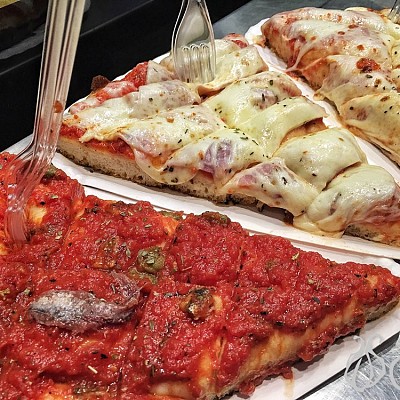
Gluten-free pizza struggles when the centre stays soft, and the crust turns bready. The fix is heat and a two-step bake.
What works well:
- Preheat the tray or stone in the oven so the base gets instant heat
- Par-bake the crust for 5 to 8 minutes, then add sauce and toppings
- Keep the sauce light and spread thin, moisture blocks crispness
- Add juicy toppings sparingly, then finish with olive oil and herbs after baking
2) Fried chicken with a coating that stays crunchy
Gluten-free frying can deliver exceptional crunch, especially when the coating sets fast and light.
You can season the flour generously, then let the coated chicken rest for around 10 minutes so the coating grips before it hits the oil. Fry in batches so the oil temperature stays steady, and drain on a rack rather than paper towels, which trap steam and soften the crust.
If you love extra crunch, a second light dusting or double-dip method builds a sturdier crust.
3) Fish and chips with a shattering batter
That thin, crisp shell around flaky fish is one of the most satisfying textures in comfort food.
Start by patting the fish dry, dust lightly with gluten-free flour, then dip it into cold batter. Cold batter plus hot oil creates a quick puff and crispness.
Keep the pieces spaced out in the fryer so they don’t steam each other. For chips, the classic approach still wins: cut, soak, dry, then cook twice for a fluffy interior and crisp exterior.
4) Mac and cheese that turns silky, not gritty
Gluten-free pasta can go from perfect to too soft quickly, and cheese sauces can tighten up if the heat is too high.
What works well:
- Cook the pasta slightly under and finish it in the sauce
- Grate your own cheese as it melts more smoothly than pre-shredded cheese
- Loosen the thickening sauce with a splash of pasta water
For baked mac, use gluten-free breadcrumbs or crushed gluten-free crackers mixed with parmesan for crunch
5) Lasagne that slices cleanly
Lasagne provides comfort and structure, but gluten-free sheets vary widely in brand, thickness, and preparation method.
Sauces should go into the oven slightly looser, as gluten-free pasta absorbs more liquid while baking. If your sheets need soaking, follow through. And if not, trust the instructions.
Most importantly, rest the lasagne for 15 to 20 minutes before cutting. That pause helps everything settle into neat layers instead of sliding into a saucy heap.
6) Chicken pot pie with a golden, crisp top
Pot pie is emotional support food: creamy filling, tender chicken, vegetables, and a crust that feels celebratory.
A cornflour slurry creates a stable, glossy filling that holds up under heat. Let the filling cool slightly before adding the top so the crust bakes properly instead of melting.
If pastry feels fussy, a biscuit-style topping works beautifully and still delivers the comfort factor.
7) Shepherd’s pie with crisp mashed potato ridges
This one is naturally gluten-free more often than people realise, but hidden gluten can sneak in through stock cubes and sauces.
This works best when you:
- Check labels on stock, Worcestershire-style sauces, and seasoning blends
- Rough up the mash with a fork before baking for ridges that brown
- Add a little cheese or butter to deepen the flavour and crust
8) Meatballs that stay juicy without wheat breadcrumbs
Breadcrumbs are traditional, but they are not required. Meatballs need gentle mixing and a binder that holds moisture.
Focus on using cooked rice, mashed potatoes, or gluten-free crumbs as a binder. Mix lightly, shape gently, then sear to build flavour. Finish cooking them in the sauce instead of allowing them to dry out completely. That keeps the inside tender and lets the sauce do its comforting job.
9) Pancakes that are fluffy, not fragile
Gluten-free pancakes can turn crumbly if the batter is too dry or if it does not have time to hydrate.
The key is to rest the batter for 10 minutes before cooking. Mix until combined, then stop. Use the first pancake as a test for heat and thickness.
If it spreads too thin, add a spoonful of flour. If it feels too thick, add a splash of milk. A pinch of salt and vanilla helps sweet pancakes taste like something you would happily order out.
10) Waffles that are crisp outside and soft inside
Waffles are all about contrast, and steam management matters.
Make sure that you don’t stack waffles on a plate. Keep them on a rack so air circulates, and the crust stays crisp. If you are cooking a batch, hold them in a warm oven while you finish.
For extra crunch, a small amount of cornflour in the batter can help create a drier, crispier surface.
11) Apple crumble with proper crunch
Crumble should bake into golden clusters, remain firm, and avoid becoming soft minutes after leaving the oven.
A reliable approach is to:
- Chill the topping before baking; cold fat improves texture
- Add chopped nuts for crunch
- Use certified gluten-free oats if you include oats
- Serve warm with cold ice cream or thick yoghurt for a hot-cold contrast
12) Chocolate brownies that hit the fudgy sweet spot
Brownies are one of the easiest wins in gluten-free baking because they rely more on eggs, sugar, and chocolate structure than gluten.
Use a light hand with flour, and avoid overbaking. Brownies continue to set as they cool, so slightly underbaked is often perfect. Cool fully before slicing for clean edges.
And don’t skip the pinch of salt. It makes the chocolate taste deeper and keeps the sweetness in balance.
Small gluten-free habits that change everything
Comfort food is rarely complicated. Gluten-free comfort food does not need to be complicated either. A few habits cover most of the common issues:
- Rest batters and doughs so the flour hydrates and the texture improves
- Use high heat for crispness on pizza bases, fried coatings, and pastry tops
- Watch moisture in bakes that set as they cool, like brownies, banana bread, and lasagne
- Check hidden gluten in stocks, sauces, spice blends, and coating mixes
If you’re building a pantry aimed at gluten-free comfort cooking, having a couple of dependable gluten-free flours on hand makes weeknight cooking easier and weekend baking far more enjoyable.