
















In the hustle of daily life, we often separate our health into compartments—mental health, physical health, and dental health. However, the truth is that the body operates as a unified system. Recent studies are drawing compelling connections between dental hygiene and brain function, especially memory. While flossing and brushing might seem minor actions, neglecting them could have profound effects on your cognitive health. Let’s explore how your dental hygiene habits could be silently shaping your memory.
How Oral Health and Memory Connect
Our mouths are gateways to more than just digestion and communication—they're also portals for bacteria to enter the bloodstream. The human mouth harbors over 700 species of bacteria. Some are beneficial, but many can be harmful if oral hygiene isn’t consistently maintained. When harmful bacteria thrive in the mouth, they can lead to infections such as gingivitis and periodontitis.
But what does this have to do with memory? These infections, particularly gum disease, can cause chronic inflammation, and inflammation is a known enemy of cognitive function. Inflammatory markers associated with gum disease have been found in the brains of Alzheimer’s patients. This suggests that maintaining a healthy mouth might do more than preserve your smile—it might preserve your memories.
Gum Disease and Cognitive Decline
Periodontitis, a severe form of gum disease, doesn’t stay confined to the mouth. When gums are inflamed and bleed easily, bacteria can enter the bloodstream and spread to other organs. Over time, this can result in systemic inflammation, a key contributor to neurodegenerative diseases.
One bacterium in particular, Porphyromonas gingivalis, is a known culprit in gum disease. Research has shown this bacterium can cross the blood-brain barrier and may trigger brain inflammation and the development of amyloid plaques, the hallmark of Alzheimer’s disease. Therefore, keeping your gums healthy is not just a matter of dental aesthetics—it’s a strategy to protect your brain.
The Brain’s Vulnerability to Infection
Your brain is protected by the blood-brain barrier, a defensive wall that filters harmful substances. However, this barrier can be compromised by inflammation and aging. When harmful oral bacteria pass through, they can wreak havoc on the delicate neural tissue.
Once inside, these bacteria can spark immune responses that disrupt the physiology of memory. Memory is not just a passive record of experiences—it’s an active biological process involving neurotransmitters, neural pathways, and brain regions such as the hippocampus. When inflammation interferes with this system, memory lapses, confusion, and cognitive decline can follow.
Brushing, Flossing, and the Hippocampus
The hippocampus, located deep within the brain, is vital for memory formation. It is also highly susceptible to damage from inflammation and toxins. Inflammation caused by gum disease has been shown to reduce hippocampal volume, directly correlating with poorer memory performance.
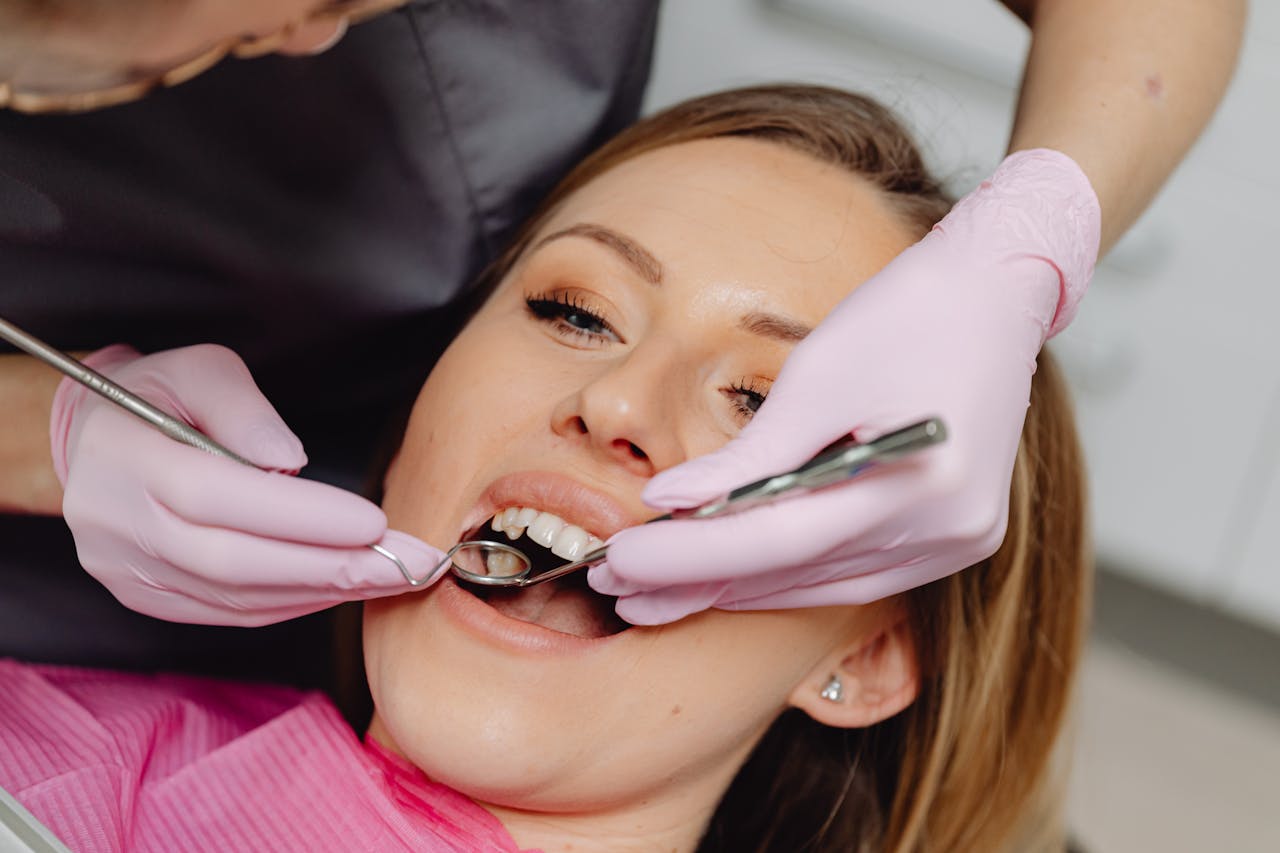
Daily brushing and flossing help prevent plaque buildup, thereby reducing the risk of inflammation. It’s a simple yet powerful defense against memory loss. Visiting a dental professional regularly—like a dentist in Hallandale Beach or your local clinic—also ensures that any emerging dental issues are caught before they escalate.
How Poor Oral Hygiene Can Impact Seniors More
Older adults often face more dental challenges—receding gums, dry mouth from medications, and difficulty maintaining oral routines due to arthritis or cognitive impairments. These issues make them particularly vulnerable to infections.
The elderly population already experiences natural memory decline with age. When compounded by periodontal disease, the risk of accelerated memory deterioration increases. It becomes a vicious cycle—memory issues cause poor hygiene, which worsens cognitive decline.
This is why caregivers and family members must play a vital role in helping seniors maintain proper dental care. It’s not just about avoiding dentures—it’s about preserving mental clarity.
Early Warning Signs You Shouldn’t Ignore
You might think your oral health is fine, but certain signs should not be overlooked if you're concerned about long-term brain health:
- Bleeding gums when brushing or flossing
- Persistent bad breath
- Loose teeth
- Pain when chewing
- Receding gum lines
If you experience any of these symptoms, it’s time to get a professional check-up. These signs could be red flags indicating more than just a dental problem—they might be an early warning of inflammation that could affect your memory.
Diet, Oral Health, and Brain Power
The connection between nutrition, oral health, and memory is another fascinating area. A poor diet can lead to cavities and gum disease, while also depriving your brain of essential nutrients.
Sugary foods and acidic drinks not only damage enamel but also fuel harmful bacteria. On the flip side, diets rich in omega-3 fatty acids, antioxidants, and vitamin D support both oral and cognitive health. Crunchy fruits and vegetables like apples and carrots can clean teeth naturally while supplying essential brain-boosting nutrients.
Chewing itself even plays a role in memory! Studies suggest that the act of chewing increases blood flow to the brain and may improve memory and concentration.
The Role of Preventive Care and Regular Check-ups
It’s easy to push off dental appointments, but routine cleanings and early intervention are vital. Preventive dental care helps catch gingivitis before it becomes periodontitis. These appointments can also identify other issues like jaw misalignment or bruxism (teeth grinding), which may indirectly affect sleep quality and memory.
By working with a qualified dental professional—whether you live in a large city or visit a dentist in Hallandale Beach—you take a proactive step in guarding both your oral and cognitive health. Prevention truly is the best medicine.
Can Traditional Memory Practices Help?
Modern research is increasingly open to ancient wisdom. One intriguing practice that connects memory with oral discipline is the aboriginal memory technique. Aboriginal Australians have long used storytelling, visualization, and landmarks (known as “memory palaces”) to encode and recall vast amounts of information. Many of these methods involve rhythm, song, and oral repetition—techniques that require vocal and oral engagement.
This points to a deeper link between our mouths and memory. The physical act of speaking, chanting, or chewing can stimulate brain regions associated with cognition and memory. Maintaining a healthy mouth could improve these traditional techniques' effectiveness by facilitating clearer speech, more comfortable oral movement, and fewer infections or discomforts that distract cognitive effort.
Modern Tech Meets Dental Hygiene
Today, technology is making it easier to stay on top of oral health. Smart toothbrushes track how well you clean, while dental apps send reminders and even sync with your calendar to keep up with appointments. Some innovations even analyze saliva to detect early signs of disease.
Wearable health monitors are also beginning to track oral metrics alongside heart rate and sleep quality. This convergence of data might soon offer even clearer insights into how dental health correlates with cognitive performance.
The Future of Research: What We Still Don’t Know
While we’ve made strides in linking dental hygiene to memory, research is still evolving. Scientists are exploring whether treating gum disease can reverse or slow memory loss. Large-scale clinical trials are underway to better understand how oral bacteria affect the brain over time.
One thing is certain—what happens in your mouth doesn’t stay in your mouth. We can expect that in the coming years, dentists and neurologists will work more closely together, creating integrated healthcare strategies that support both mental and dental well-being.
Conclusion: The Mouth-Mind Connection
Maintaining good dental hygiene is about more than avoiding cavities and keeping your smile bright. It’s a foundational part of protecting your brain from inflammation, bacterial invasion, and potential cognitive decline.
By brushing, flossing, visiting your dentist regularly, and choosing the right foods, you’re not only preserving your teeth—you’re safeguarding your ability to think, remember, and live fully.
So the next time you reach for your toothbrush, remember—it’s not just your teeth you’re protecting. It’s your memories too.