
















Cleaning school bathrooms is one of the most important (but often neglected) elements of running a healthy school. It is the cornerstone of student wellness and attendance rates.
If neglected, students get sick, miss school, and performance declines.
The bottom line…
Maintaining clean school bathrooms is:
- Cost free with the right systems in place
- Easy to implement with an effective routine
…and can have an immediate impact on student health and learning outcomes.
- Why school bathroom hygiene is important for a better environment
- The real cost of poor restroom maintenance
- Simple strategies for improving school bathroom maintenance
- How To Create a cleaning routine that works
Why School Bathroom Hygiene Matters
School bathrooms are the epicenter of germs and bacteria.
Hundreds of students use the same facilities each day. If not cleaned and sanitized regularly, these spaces quickly become breeding grounds for illness.
The statistics are there to prove it. A UNICEF 2024 report highlights that 1 in 3 schools have no access to basic hygiene services. This means no soap, running water, or proper sanitation.
This is a problem.
Effective school restroom maintenance keeps students healthy and in class where they belong. Schools that prioritize bathroom cleanliness report fewer sick days and higher academic achievements.
Pretty straightforward right?
The Real Cost of Poor Restroom Maintenance
Dirty school bathrooms result in students avoiding them at all costs.
In fact, according to a 2024 Bradley Company survey, close to 40% of teenagers claim to avoid using school bathrooms altogether. Holding it in. Skipping water breaks. Suffering in silence.
This results in a whole host of health problems.
Students who skip bathrooms regularly are likely to suffer from urinary tract issues. They are more dehydrated, with a lower concentration and retention. This means their grades plummet.
But it does not stop there…
Dirty school bathrooms are a breeding ground for germs and illnesses. Door handles, taps, and surfaces are covered in bacteria. Hands that come in contact with these surfaces end up on faces, food, and other students. Pretty soon half the class is out sick.
The bottom line? School bathroom maintenance for a better environment outcomes that do not work. Schools must take notice.
The Hidden Academic Impact
Illness means students miss school.
It sounds obvious, but the magnitude of the issue is astonishing. Absences due to sickness account for a massive 75% of all missed school days. The majority of these absences are due to preventable respiratory and gastrointestinal infections.
And what are the top places that these infections spread like wildfire?
Restrooms. Cafeterias. Corridors. Anywhere students gather without access to proper hygiene and facilities.
Schools that invest in good bathroom hygiene and cleanliness see a reduction in sick days. This, in turn, allows for more time in the classroom and better academic outcomes. It really is that simple.
Simple Strategies for Better School Bathroom Maintenance
Maintaining clean school bathrooms does not have to break the bank. It does require consistency and a methodical approach.
The strategies below have proven effective in schools across the globe…
Stock The Essentials
A bathroom without soap is pointless.
Students cannot wash their hands without basic supplies. Every school restroom needs:
- Soap dispensers that are always full
- Paper towels (or hand dryers) that work
- Toilet paper in each stall
- Clean bins for waste disposal
Sounds basic right? That's because it is. Yet so many schools fail at this.
Check stock levels at least twice a day. Running out during lunchtime is not an option.
Set a Cleaning Schedule
Random cleaning works only to a certain extent.
Schools must have a structured and repeatable cleaning schedule that accounts for high-traffic periods. This means cleaning restrooms before school, during lunch, and at the end of the school day.
Areas and surfaces that are touched the most must be given extra attention. Door handles, tap handles, flush buttons, and light switches should be sanitized frequently throughout the day.
The key here is consistency. A bathroom that is cleaned only once a day is not enough when hundreds of students use it daily.
Invest in Touchless Equipment
If you are looking for an easier way to reduce germ spreading and increase productivity.
Touchless fixtures have fewer contact points for bacteria to fester. Sensor-activated taps, soap dispensers, and hand dryers keep surfaces clean for much longer.
While they require an initial investment, these upgrades save money through reduced cleaning and illness over time.
Train the Cleaning Staff
Having the right equipment is only helpful when paired with trained staff.
Cleaning teams must understand proper sanitation methods and best practices. They must know which products kill what types of germs and bacteria. They must have clear protocols for how to handle different scenarios.
Regular training and refreshers are vital. Monthly check-ins ensure that staff are not cutting corners or becoming complacent in their duties.
How To Build a Cleaning Routine That Works
Building an effective cleaning routine is all about assessment and planning.
Begin by walking through each restroom facility. Take note of any problem areas or fixtures that require special attention. Look for broken parts, bad ventilation, and areas where water collects.
Then put together a schedule.
An effective cleaning checklist should include:
- A thorough deep clean in the morning before students arrive
- A mid-day restock and wipe-down of surfaces
- An afternoon sanitation of high-touch areas
- A comprehensive end-of-day cleaning and restocking
Assign particular tasks to particular cleaning staff. Having accountability is key. Everyone knowing their responsibilities ensures that nothing is missed.
Monitor and Adjust
Cleaning routines are not perfect from day one.
Monitor student complaints, supply usage, and watch for any trends with illness outbreaks. Use this data to fine-tune and optimize the cleaning schedule over time.
Different restrooms will need different levels of attention. High-traffic bathrooms next to cafeterias and gyms need extra cleaning cycles. Adjust the schedule according to actual bathroom usage.
Get the Students Involved
Students also have a responsibility for maintaining bathroom hygiene.
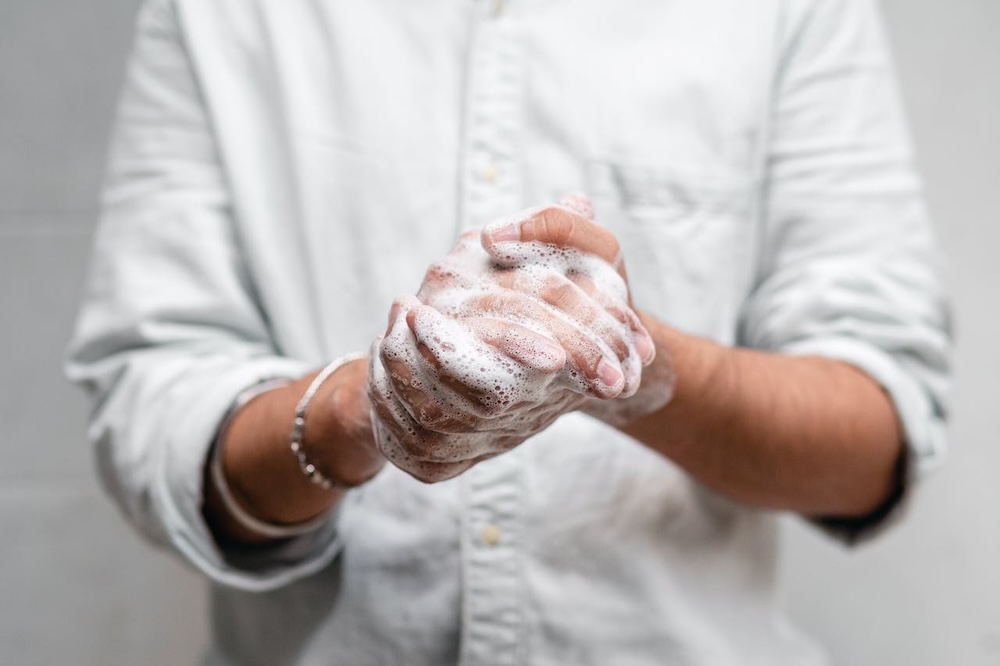
Hygiene education programs can teach students the importance of handwashing. Posters next to sinks can remind them to wash their hands for 20 seconds. Assemblies are a good way to reinforce good behavior.
Students who understand their role in the process will do their part to keep facilities clean. Some schools have hygiene competitions to encourage student participation.
Wrapping Things Up
School bathroom maintenance is not glamorous. It is, however, essential work that must be done to keep students healthy and improve academic performance.
Clean bathrooms:
- Reduce illness and absenteeism
- Improve student comfort and concentration
- Create a positive school environment
- Lead to better learning outcomes
Schools that get it right see results. Healthier students. Improved attendance. Better academic performance.
To quickly recap the main takeaways:
- Restock bathrooms with essential supplies on a daily basis
- Have a structured cleaning schedule and stick to it
- Invest in touchless equipment where possible
- Train staff on proper sanitation techniques
- Monitor the results and fine-tune as needed
Start with one improvement today and build from there. Small changes will compound into massive results over time.
School bathroom hygiene and cleanliness is the foundation of a healthy and productive learning environment. Get it right and the rest becomes so much easier.