

















In today’s world, being environmentally responsible isn’t just a trend — it’s a necessity. While many people focus on conserving electricity or reducing plastic use, one of the most impactful (and often overlooked) areas is plumbing. Eco-friendly plumbing solutions can significantly reduce your water consumption, lower utility bills, and contribute to a greener planet.
Whether you're building a new home or looking to upgrade your existing system, small changes in your plumbing setup can make a big difference. Here’s how to make your home water-smart with sustainable plumbing choices.
1. Install Low-Flow Fixtures
Traditional faucets, showerheads, and toilets use far more water than necessary. Replacing them with low-flow models can drastically cut water usage without affecting performance.
Low-flow showerheads use less than 2 gallons per minute compared to older models that use up to 5.
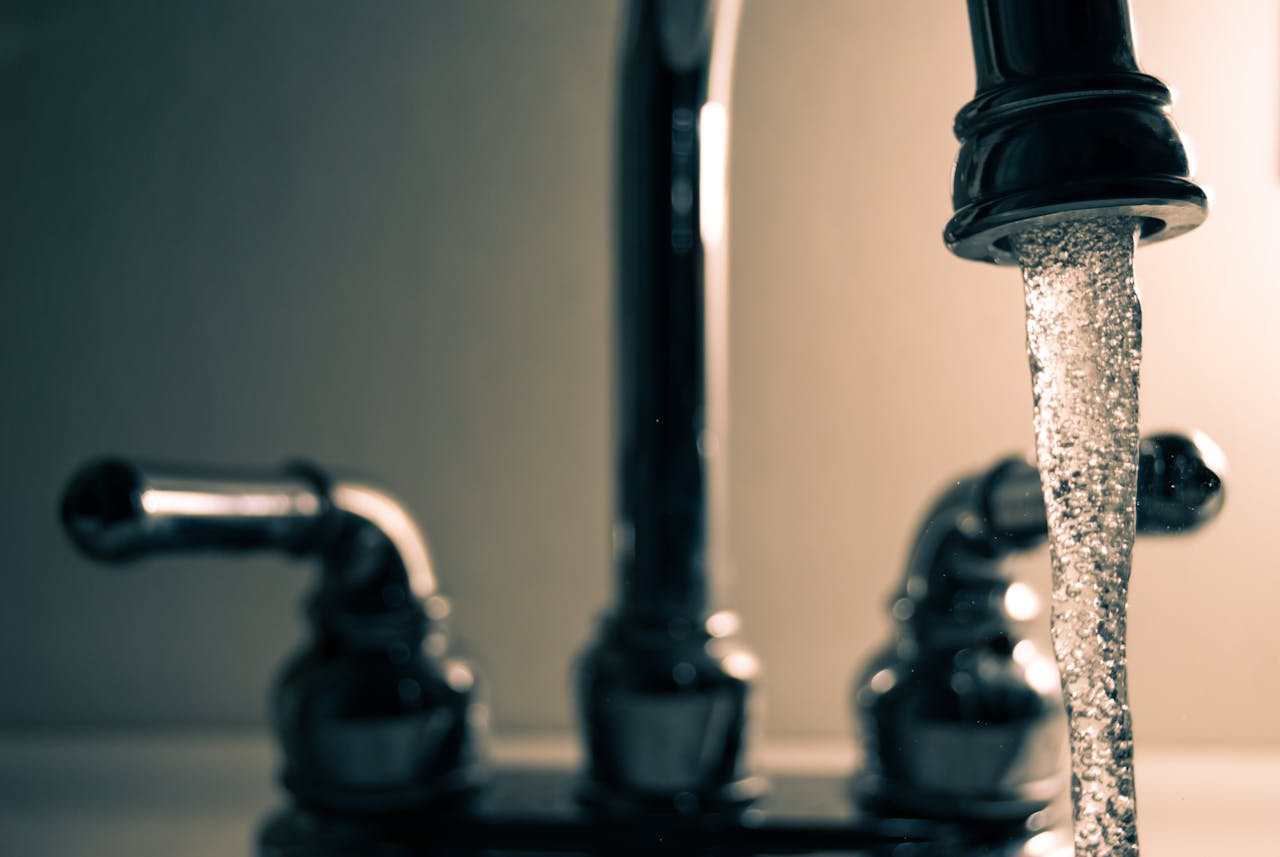
Aerated faucets mix air with water, providing good pressure while using less water.
One of the best upgrades is the water-efficient installation toilette, which uses as little as 1.28 gallons per flush compared to the standard 3.5 gallons.
These simple replacements can reduce water usage by up to 60%, saving thousands of gallons annually.
2. Use Dual-Flush Toilets
A dual-flush toilet gives users two flushing options: one for liquid waste and another, more powerful flush for solid waste. This system allows you to control water use based on the type of flush needed, resulting in significant water savings.
Many manufacturers offer sleek and affordable dual-flush models that blend well with modern bathroom designs while promoting sustainability.
3. Fix Leaks Promptly
A dripping faucet or a running toilet may seem minor, but they waste a surprising amount of water. For instance, a faucet that drips once per second can waste more than 3,000 gallons of water annually.
Common signs of hidden leaks include:
Unexplained increases in water bills
Water stains on walls or ceilings
Musty smells or mold growth
Professional plumbers can conduct leak detection tests using pressure gauges and sensors to pinpoint and repair leaks efficiently.
4. Install a Greywater Recycling System
Greywater is the gently used water from sinks, showers, and washing machines. Instead of letting it go down the drain, a greywater system recycles it for use in toilets or garden irrigation.
This type of system reduces fresh water demand and is especially useful in areas prone to drought. Many countries now encourage or even mandate greywater reuse in new residential developments.
5. Use Smart Water Monitoring Devices
Technology has made its way into plumbing, and it’s a game-changer for conservation. Smart water monitors and leak detectors:
Track water usage in real-time
Send alerts if they detect unusual activity (like a leak or burst pipe)
Help homeowners find opportunities to cut water waste
Some advanced systems can even shut off water automatically in the event of a major leak.
6. Install an Anti-Backflow System
One of the major concerns in sustainable plumbing is protecting clean water sources from contamination. An anti refoulement d'égout system, also known as a sewer backflow preventer, is designed to stop wastewater from flowing back into your home during heavy rains or sewer overloads. This not only protects your property from costly water damage but also keeps your plumbing system sanitary and eco-friendly.
7. Insulate Your Pipes
Insulated pipes reduce heat loss, meaning you don’t have to run the tap as long to get hot water. This small improvement saves both water and energy. Pipe insulation also helps prevent freezing and bursting in colder climates.
8. Choose Energy-Efficient Water Heaters
Traditional water heaters continuously heat a large tank of water, which wastes energy. Consider upgrading to:
Tankless water heaters, which heat water on demand
Solar water heaters, which use renewable energy to warm water
Heat pump water heaters, which are more energy-efficient than electric or gas models
These options lower your carbon footprint and utility costs.
Conclusion
Eco-friendly plumbing isn't just a buzzword — it's a practical, cost-saving, and planet-saving strategy for every home. From installing a water-efficient installation toilette to integrating an anti refoulement d'égout system and smart leak detectors, the shift toward sustainable plumbing benefits everyone.
Making your home water-smart not only protects precious resources but also sets an example for future generations. It’s a clear win-win: good for your wallet, and even better for the Earth.