

















Stone crab claws pulled from the warm Gulf shallows taste nothing like a spiny lobster hauled off a reef near the Keys, and Floridians will argue about which one wins until the sun goes down. For anyone who has just relocated, this Gulf Coast vs. Atlantic Coast food debate is the fastest way to understand the state's split personality. One shore leans slow, buttery, and Southern. The other runs bright, spiced, and Caribbean. Neither side plans to concede.
What Makes Gulf Coast Cooking Different?
Gulf Coast Florida food is built on shallow, warm water and a heavy Southern accent. The catch here tends toward grouper, mullet, stone crab, and rock shrimp, usually fried, blackened, or dropped into a chowder.
The flavor leans mild and rich rather than fiery. Butter, cornmeal, and hush puppies do more work than chili and citrus. That gentleness is the point on this coast.
Which Dishes Define The Gulf Side?
The Gulf's signature plates are easy to spot once you know the markers. They show up on menus from Cedar Key down to Naples.
- Stone crab claws, served chilled with mustard sauce during the October-to-May season
- Fried grouper sandwiches, thick and flaky on a soft bun
- Smoked mullet, a Panhandle staple with roots in old fishing towns
- Rock shrimp, split and grilled with drawn butter
This style overlaps with a wider tradition worth knowing. The blend of island spice and local seafood that newcomers keep discovering shows how Caribbean technique crept into even the mellow Gulf kitchen over decades of immigration.
Why Do Gulf Towns Argue Over Grouper and Stone Crab?
Gulf towns argue because proximity to the water shapes local pride, and every fishing community swears its version is the real one. A cook in Apalachicola will defend oyster preparation as fiercely as a Sarasota chef defends grouper. The rivalry is small-town, specific, and constant. Venice sits right in the middle of this stretch, and new arrivals sorting out where to eat in Venice, FL quickly learn that the town treats fresh Gulf catch as a point of identity rather than just a menu item. That sense of ownership is exactly what fuels the coast-to-coast debate.
Is Fresh Really Better On The Gulf?
Freshness genuinely matters more on the Gulf, because shorter boat runs mean seafood often reaches the plate within a day. Many docks sell directly to nearby kitchens.
That speed changes the texture and taste of the fish. It also explains why Gulf locals distrust anything frozen. For them, the argument is about time on ice, not geography alone.
What Defines Atlantic Coast Florida Food?
Atlantic Coast Florida food is louder, spicier, and far more international. The eastern shore absorbed waves of Cuban, Haitian, Jamaican, and Bahamian cooking, and it shows in every bite.
Citrus, scotch bonnet, cumin, and rum replace the Gulf's butter and cornmeal. The result is food that feels closer to the islands than to the Old South.
How Did The Caribbean Shape The East Coast?
Caribbean immigration reshaped the Atlantic table starting in the 1800s, layering island staples onto Florida ingredients. Ceviche, conch fritters, and jerk-spiced fish became everyday menu items.
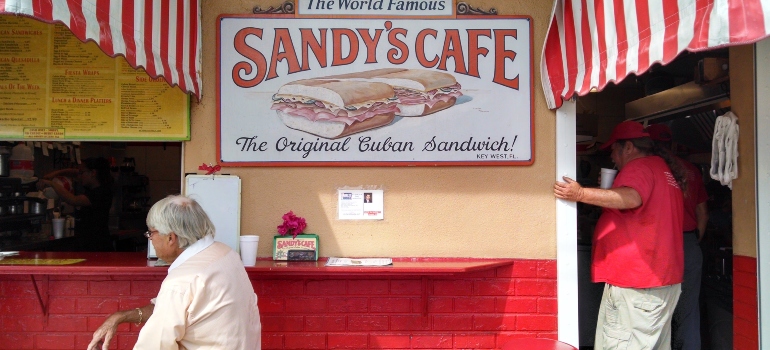
Miami sits at the center of that influence. The city's most beloved plates, from stone crab served with a Latin twist to the classic Cuban sandwich, reflect a coastline where the dishes a new Miami resident should not skip read like a passport stamped across the entire Caribbean. Flavor intensity is the East Coast's calling card.
Is There Neutral Ground in Florida's Food Map?
Central Florida is the closest thing to neutral ground, because inland cities pull from both coasts without fully committing to either. Orlando is the clearest example.
Sitting between the two shores, the city mixes Gulf-style fried seafood with East Coast Latin heat and adds its own tourist-driven variety. Newcomers exploring the iconic plates every Orlando visitor is told to try find grouper and Cuban sandwiches sharing the same block. That mash-up is why inland Floridians rarely take a side.
Does Location Change What You Catch?
Location absolutely changes the catch, and that difference drives the whole rivalry. Gulf waters are shallow and warm, favoring grouper and stone crab. Atlantic waters run deeper and cooler, bringing mahi-mahi, snapper, and spiny lobster to the docks.
State fisheries data backs this up. Records kept by the Florida Fish and Wildlife Conservation Commission show distinct species concentrations on each coast, which means your closest shoreline really does decide your dinner.
How Do You Pick a Side as a New Resident?
You pick a side by eating your way across both coasts before deciding, because the honest answer depends entirely on your palate. Prefer mild, comforting, fried seafood? The Gulf is home. Crave spice, citrus, and bold contrast? The Atlantic wins.
Season matters too. Stone crab peaks in cooler months, while spiny lobster has its own tightly regulated window. Checking harvest calendars through resources like Visit Florida's regional food guides helps new residents time their tasting tour instead of guessing.
Most transplants end up refusing to choose, and that is a perfectly Floridian outcome.
Settling the Score, One Plate at a Time
The Gulf Coast vs. Atlantic Coast food rivalry never truly ends, and that is its charm for anyone building a new life here. Each shore offers a different version of Florida on a plate, shaped by water temperature, history, and generations of stubborn local pride. The smartest move for a new resident is simple: eat widely, ask locals where they go, and keep a running list of favorites on both coasts. Start with the seafood shack closest to your new home, then drive across the state and taste the other argument for yourself.