

















Knowing that “c” says /k/ does not mean a child can read “cat.” The jump from single sounds to whole words is where many young readers stall. They know every piece but cannot yet snap them together.
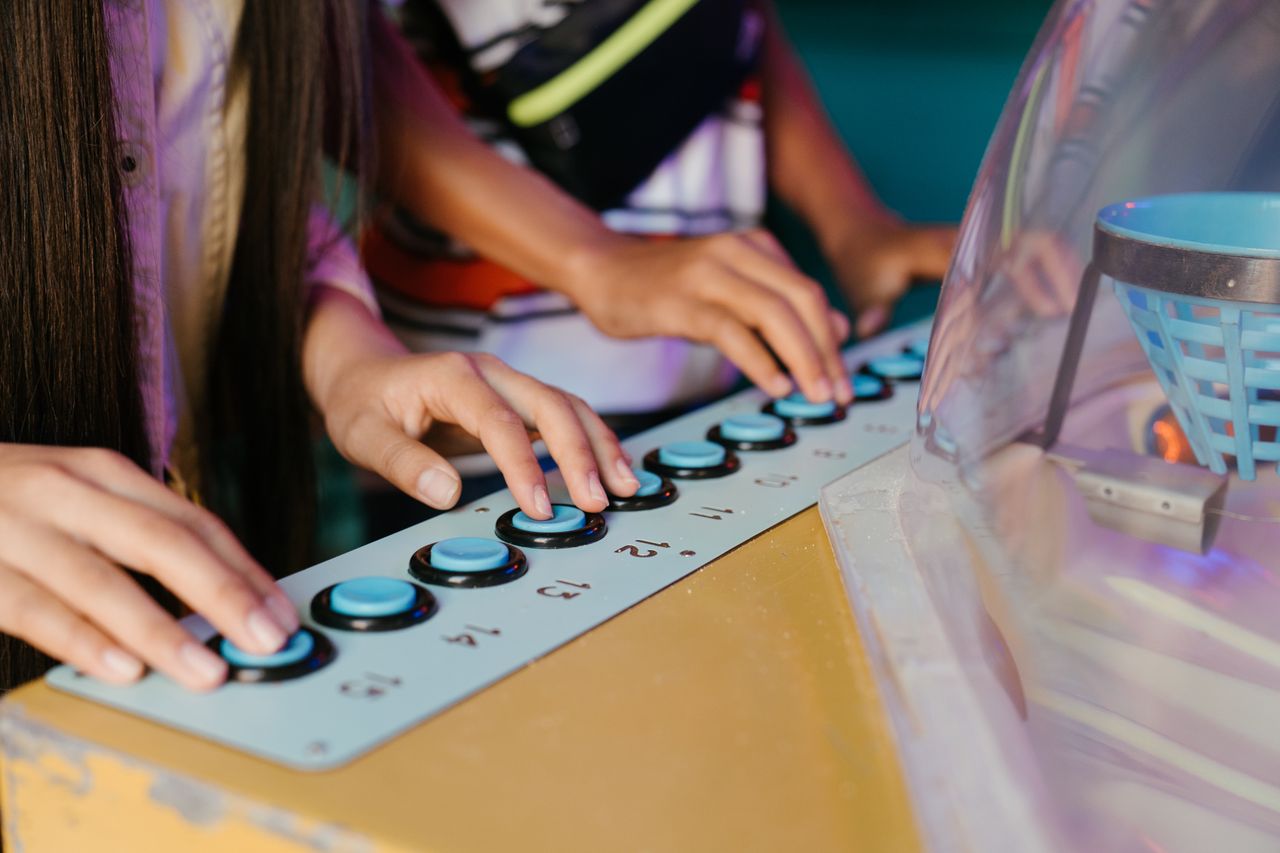
That snapping step is called blending, and it takes practice. Sound buttons make blending something kids can hear, tap, and repeat. Each button holds one sound, and pressing them in order builds a word out loud. With a few simple games, that first real word starts to feel within reach.
Why Is Blending Sounds Into Words So Hard for Kids?
Blending asks children to hold several sounds in mind at once. By the time they reach the last sound, they may have forgotten the first. That is why a child might say /m/ /a/ /p/ perfectly and still guess “mop.” Memory, speed, and confidence all play a part.
Explicit practice helps close that gap. The National Reading Panel found that systematic phonics instruction works better than teaching little or no phonics. Blending sits at the heart of that approach. Kids need many chances to practice it, not just one lesson.
How Do Sound Buttons Make Blending Easier to Hear?
A spoken sound vanishes the moment it leaves a teacher’s mouth. According to soundboardbuttons.com, a platform where parents and teachers can download free sound buttons for early reading practice, “Blending clicks when kids hear each letter sound clearly, then hear those same sounds slide together into one word.” Buttons make both halves of that process repeatable. Kids can press /s/, /u/, /n/ slowly, then faster, then all at once. Each round brings the sounds a little closer together. Eventually the gap disappears and “sun” pops out.
Replaying also takes pressure off memory. If a child forgets the first sound, they simply press it again. No one has to repeat themselves, and the child stays in control. That sense of control keeps many kids willing to try harder words.
What Blending Games Work Best With Sound Buttons?
Games turn repeated practice into something kids ask for. Start with short words that use sounds the child already knows. These four games move from easy to more challenging:
Slow-Then-Fast Blending
Set up one button for each sound in a three-letter word. Press them slowly, with clear pauses in between. Then press them faster on each round. Kids say the word as soon as the sounds blend into something they recognize. Celebrate the first time they catch it.
Mystery Word Builder
Hide a picture and play the sounds of its name in order. Children blend the sounds and guess the hidden picture. The sounds /d/ /o/ /g/ become a puppy reveal that kids love. Swap roles so children build mystery words for each other.
Changing One Sound
Start with a word kids can already blend, like “cat.” Swap the first button for a new sound and blend again. “Cat” turns into “hat,” then “mat,” then “sat.” This game shows kids that changing one sound changes the whole word.
Silly Word Challenge
Mix sounds into made-up words like “zop” or “mib.” Kids cannot guess from memory, so they must truly blend. The silly results usually get a laugh. That laughter keeps practice light while still building real skill.
How Do Kids Turn Blended Words Into Words They Know by Sight?
Blending is a starting point, not the finish line. After enough practice, kids stop sounding out familiar words and simply read them. Researcher Linnea Ehri calls this process orthographic mapping, where letter-sound links lock words into memory. Each successful blend strengthens those links further.
Sound buttons can support that shift. Once a child blends a word smoothly, write it down beside the buttons. Have them read it again without pressing anything. Then check whether they can read it the next day too. Words that stick overnight are on their way to sight reading.
What Mistakes Slow Down the Move From Sounds to Words?
Rushing to long words is a frequent problem. A child who struggles with “cat” will not enjoy “splash.” Stay with simple words until blending feels easy and quick. Confidence grows fastest on small, steady wins.
Another slip is letting buttons do all the work. The child should still say each sound out loud. Pressing, hearing, and saying together keep kids more involved than pressing alone. Too many sounds at once can also distract young learners. Keep each round to one word family or a handful of words.