
















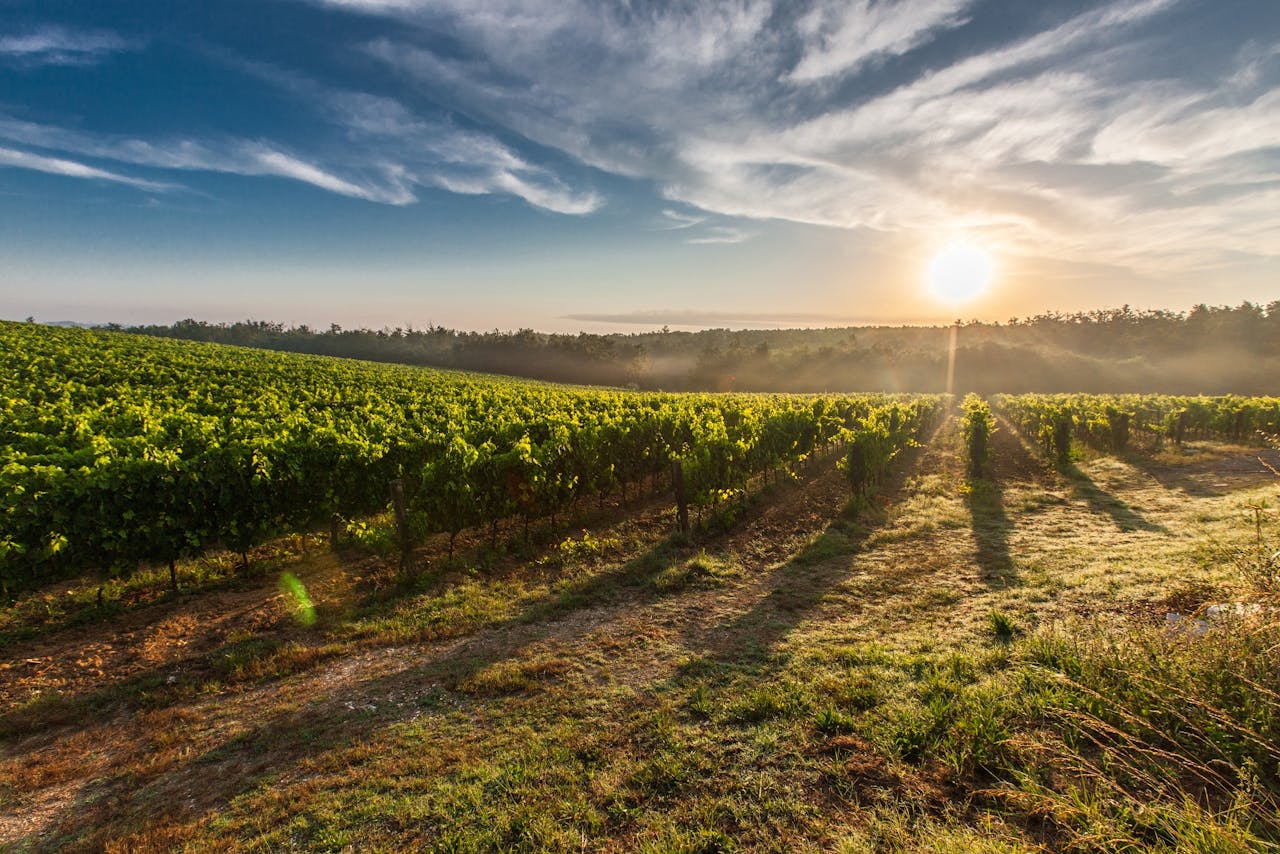
Most people don’t give much thought to what it takes to produce delicious wine. They simply browse the rows of bottles at their local liquor store and purchase one that grabs their eye.
However, you may be more appreciative of your favorite drop when you learn the ins and outs of the winemaking industry - and even a few secrets and surprises!
You Can Outsource Parts of the Winemaking Process
Thanks to the existence of contract wine bottling companies, wine businesses don’t have to handle all parts of the winemaking process themselves. Instead, they can choose to outsource parts of the process that they don’t have the knowledge, equipment, or time for, such as growing the grapes, bottling the wine, and storing it.
Such companies make it easier for businesses and individuals passionate about wine to bring new varieties and options to the market.
The Oldest Winery Is 6,000+ Years Old
When you think of old wineries, you probably picture Italy or France. After all, they produce the most wine in the world. However, that’s not actually where the oldest winery in the world was discovered. Instead, it was found in Armenia, a landlocked country in West Asia.
The winery is believed to date back to 4100 BCE, and archeologists found grape seeds, a wine press, storage jars, and fermentation vats in a cave.
Antarctica is the Only Continent Where Wine Isn’t Produced
France, Italy, and Spain may be the countries you hear the most about when it comes to wine production, but they aren’t the only players in the game. In fact, wine is produced on all continents except for Antarctica.
The wine industry is flourishing in several countries, including China, South Africa, Brazil, Mexico, India, and Thailand.
Wine Grapes and Table Grapes Are Not the Same
The grapes you buy from the supermarket are not the same as those grown to be turned into wine. Despite both belonging to the Vitus genus, there are several differences.
Wine grapes:
- Are smaller
- Have thicker skin
- Have larger seeds
- Boast a lower sugar content
- Have a higher juice content
- Are grown for specific flavor profiles
Table/eating grapes:
- Are smaller
- Have thin skin
- Are easier to eat
- Have fewer or no seeds
- Produce less juice
- Have a higher sugar content
- Are bred for sweetness, size, and appearance
Champagne Was An Accident
Some of the best goods of our time were an accident, and champagne is one of them! Winemakers in the Champagne region of France were struggling with wine that kept refermenting in the bottle, creating unwanted bubbles. While it was ultimately seen as a flaw, winemakers in the 17th century decided to refine the process.
Now, those bubbles are what make Champagne the prestigious beverage it is today! Some bottles are more prestigious than others. For example, Gout de Diamants (Taste of Diamonds) 2013 is the most expensive bottle in the world — it costs $2.07 million.
A Microscopic Pest Nearly Destroyed Vineyards in Europe
We almost saw the end of wine produced in Europe in the 1800s due to an awful microscopic pest called phylloxera. The root-eating insect arrived from America and collapsed entire wine regions.
Fortunately, Europe was ultimately saved by grafting European vines onto American rootstocks. These were naturally resistant to the pest. This practice is still used today.
The wine industry is more interesting and exciting than you could have anticipated. The next time you purchase your favorite bottle from the liquor store, you might remember some of what you just learned!