













Some seasons make it obvious where the food routine falls apart. School mornings get rushed. Workdays run long. Practice ends later than expected. Travel days leave everyone digging through bags or stopping for whatever is nearby.
That’s usually when snack decisions get messy. Nobody wants to think through a balanced option when they’re hungry, tired, or already late. A better plan is simple: keep dependable snacks in the places where hunger tends to show up.
Backpacks, desk drawers, gym bags, cars, dorm rooms, and carry-ons all deserve a little attention. When the right foods are already there, snacks stop feeling like one more thing to manage.
Start Where Hunger Actually Happens
A snack plan sitting neatly in the pantry doesn’t help much at 4 p.m. in the car, between classes, or after practice. The best place to start is by paying attention to the moments that keep repeating.
Maybe the kids walk in starving before dinner. Maybe the workday has a long stretch between lunch and leaving the office. Maybe sports practice lands right after school. Maybe travel days always turn into gas station food.
Once those patterns are clear, the fix gets easier. Put snacks where the need already exists. A backpack snack for after practice. A drawer snack for the afternoon slump. A car snack for errands that run long. A dorm snack for the hours between classes.
That small bit of planning matters because healthy snacking starts with preparation. When the better choice is already within reach, it takes less effort to make it.
Choose Snacks That Hold Up
Some snacks taste good for a minute and leave everyone hungry again soon after. For school days, workdays, travel, and practice, it helps to choose options that actually satisfy.
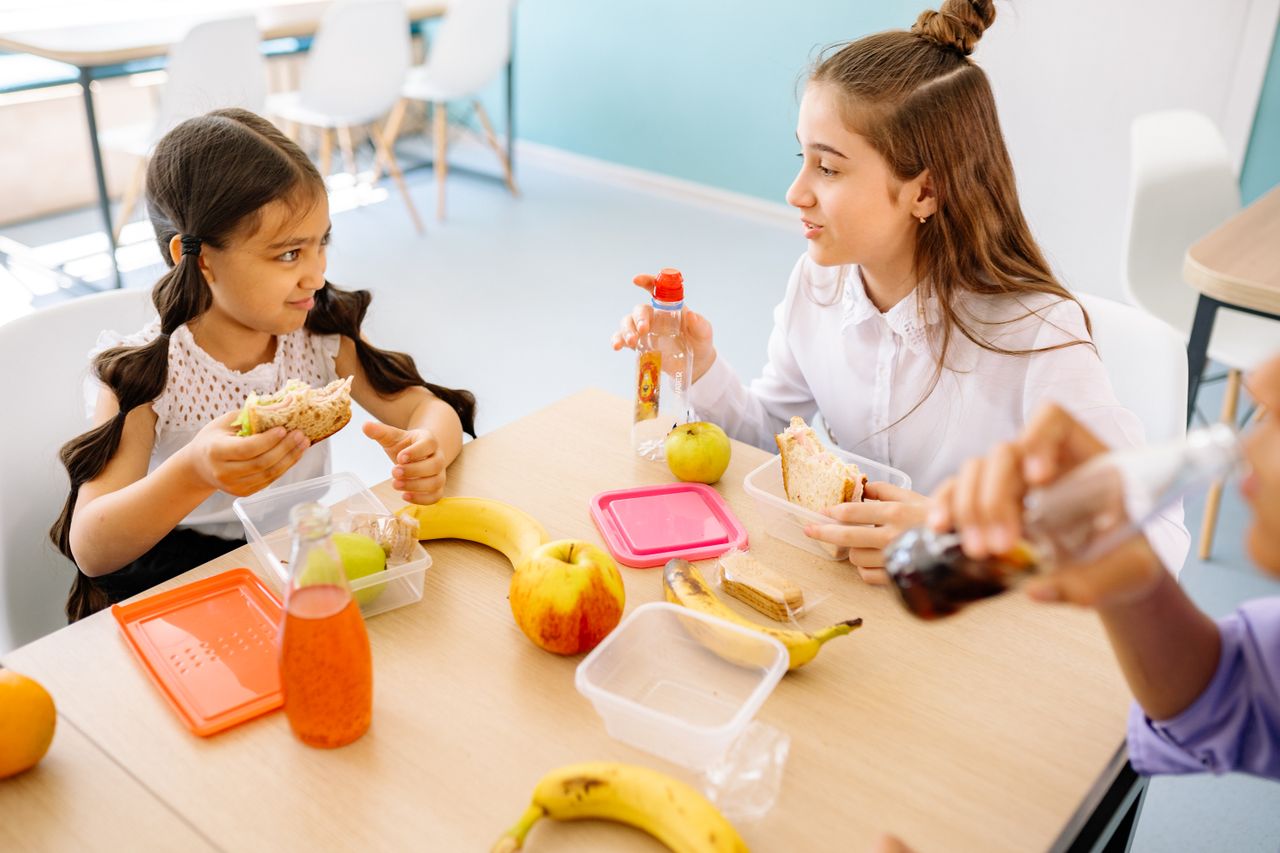
A good snack should feel satisfying enough to carry someone to the next meal. Aim for a mix of protein, healthy fats, fiber, and flavor so it feels satisfying instead of like a quick bite that disappears. Try apple slices with nut butter, a hard-boiled egg with fruit, veggies with guacamole, jerky with something crunchy, nuts and seeds with dried fruit, or yogurt with berries when you have a fridge or cooler nearby.
These kinds of nutrient-dense snack choices can help fill the space between meals without turning snack time into a quick sugar rush.
Texture makes a difference as well. Crunchy, chewy, creamy, salty, and lightly sweet foods all hit differently. A little variety keeps the routine from feeling boring, which makes it much easier to stick with during a busy week.
Keep Shelf-Stable Snacks Where You Need Them
Fresh snacks are great when the timing works. Plenty of days don’t cooperate. A lunchbox might come home half full. A meeting can run through the usual break. Practice can push dinner later than planned. Travel can stretch longer than expected.
That’s where shelf-stable snacks help. Single-serve nuts, dried fruit, seeds, jerky, fruit bites, and trail mixes are easy to keep in a backpack, desk drawer, sports bag, or carry-on. They don’t need much prep, and they’re ready when refrigeration isn’t an option.
The real trick is placing them before anyone needs them. Keep one option in the car. Put one at work. Add one to the backpack. Leave one in the bag that goes to practice or the gym. Hunger is easier to handle when the answer is already packed.
Match the Snack to the Routine
The same basic system can work for kids, students, and adults, but the details should fit the day.
Younger kids usually do best with smaller portions, familiar foods, and packaging they can open on their own. College students need snacks that can sit on a dorm shelf, ride around in a backpack, or fill the gap between classes. Adults often need something quiet and practical for a desk drawer or commute.
Travel snacks should be simple and low-mess. Sports and practice snacks should be easy to eat before or after activity without feeling heavy. The goal is to make the snack fit real life, not the other way around.
You don’t need a different plan for every person in the house. A few dependable categories are enough: something crunchy, something protein-forward, something fruit-based, and something that can sit safely in a bag or drawer.
Make It Easy to Keep Going
A snack system should make life easier, not create another weekend project. If it requires a full Sunday reset, specialty ingredients, and perfect containers, it probably won’t last.
Keep it easy. Pick a few snacks your family already likes, portion the ones that need it, and restock the usual spots once or twice a week. A little planning goes a long way, and it’s usually enough to keep everyone covered when the day gets busy.
A good weekly rhythm might include two fresh snacks, two shelf-stable snacks, and one emergency backup for the car, office, backpack, or gym bag. It gives everyone options without turning snack prep into a chore.
Busy weeks go smoother when the basics are handled ahead of time. A few smart snacks in the right places can make school mornings, long workdays, travel delays, and late practices feel a little less chaotic.