

















Planning your first adventure to Indonesia’s Island of the Gods requires understanding the best time to visit. Weather, cultural celebrations, and seasonal shifts influence your journey’s quality. Bali’s tropical climate stays consistent, but rainfall and humidity vary. Timing affects beach conditions, prices, and overall experience.
Best Time to Visit Bali
Peak season is June–August, with July and August offering the clearest skies and calm seas. September–October provide good weather with fewer crowds and cheaper rates. April–May mark the shift from rainy to dry, with vibrant green scenery. December–January combine heavy rain with holiday crowds and high prices. February–March see lighter showers and lower tourist numbers, while November is quiet with discounts before peak rains.
Must-See Destinations
Every first-time visitor should experience Bali's iconic locations. These destinations capture the island's diverse appeal and provide essential cultural context. Each area offers unique characteristics that define the Balinese experience.
Monkey Forest Ubud
The Sacred Monkey Forest Sanctuary is Ubud’s most popular attraction and a key part of its cultural identity. This lush jungle is home to over a thousand Balinese long‑tailed macaques and three ancient temples dating back to the 14th century.
Daily rituals and offerings by locals add to its significance, making the Monkey Forest a must‑see for first‑time travelers. After exploring, visitors often turn to Ubud’s wellness side, joining a yoga class in Ubud to unwind and connect with the town’s calm, spiritual atmosphere.
Tanah Lot Temple
Tanah Lot is one of Bali’s most iconic temples, perched on a large offshore rock formation. At high tide, the temple is surrounded by the ocean, while low tide allows visitors to walk closer and receive blessings. Sunset is the most popular time to visit, with the temple silhouette framed against vibrant skies. The surrounding area includes gardens, shrines, and local vendors, creating a lively atmosphere.
Tegallalang Rice Terraces
The Tegallalang terraces are famous for their dramatic stepped patterns carved into hillsides. The traditional subak irrigation system, recognized by UNESCO, sustains the lush green paddies. Walking paths wind through the terraces, with cafes offering elevated views and swings for photo opportunities. The landscape is especially striking after rainfall, when the paddies glow in brilliant shades of green.
Uluwatu Temple and Clifftops
Uluwatu Temple sits dramatically on cliffs 70 meters above the ocean, offering sweeping coastal views. It is renowned for its sunset Kecak fire dance, where performers chant and reenact episodes from the Ramayana epic. Monkeys roam the temple grounds, often mischievously targeting visitors’ belongings.
The combination of cultural tradition, natural scenery, and theatrical performance makes Uluwatu unforgettable. After exploring the temple, you can also visit nearby beaches in Uluwatu, Padang Padang is especially popular, and places like Padang Padang Surf School make it easy to experience the waves firsthand.
Accommodation
Southern beaches host most hotels: Seminyak for upscale dining, Canggu for surf culture, Sanur for families, and Nusa Dua for resorts. Ubud emphasizes cultural immersion with jungle views. Villas suit families and groups, while guesthouses offer authentic hospitality. Luxury retreat in Bali adds an extra layer of indulgence, combining wellness, privacy, and comfort with the island’s natural charm.
Many retreats feature spa treatments, yoga programs, and personalized service, offering a restorative escape that goes beyond standard accommodation. They’re ideal for travelers who want relaxation to be part of the journey itself, not just a break between adventures. Booking early is essential in peak season, while shoulder months often provide more flexibility and better rates.
Cultural Etiquette
Respecting Balinese culture enhances your experience and prevents unintentional offense. Modest dress is required at temples, with sarongs and sashes often provided at entrances. Public affection should remain minimal, and the right hand is used for giving or receiving items, as the left is considered unclean.
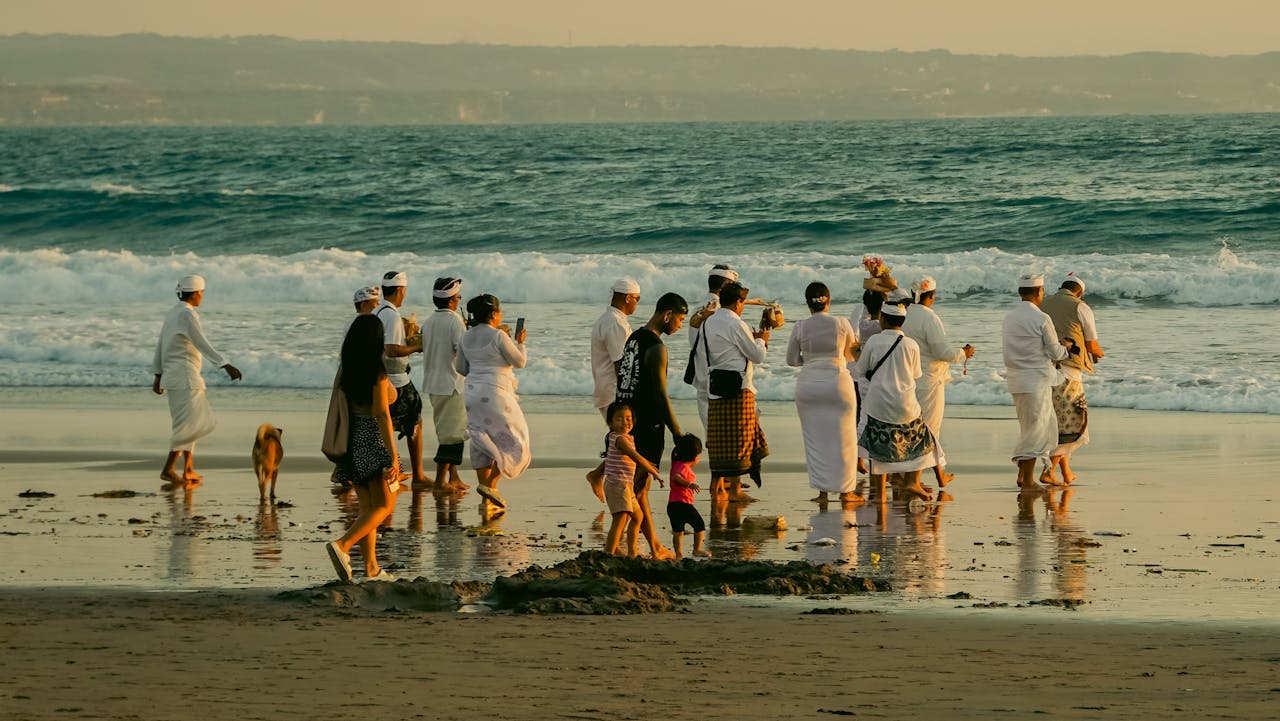
Religious ceremonies and processions occur frequently, so step aside respectfully and avoid standing higher than priests or sacred objects. Bargaining in markets is expected, usually starting at half the asking price, but should remain friendly. These small gestures of awareness, whether in dress, behavior, or interaction, show respect for local traditions and enrich your travel experience.
Food and Dining Experiences
Balinese cuisine blends Indonesian flavors with unique touches. Staples include nasi goreng, mie goreng, and babi guling. Seafood thrives in coastal areas, especially Jimbaran Bay. Seminyak offers diverse international dining, while traditional warungs provide authentic local meals. Tropical fruits like mangosteen, rambutan, and dragonfruit are abundant.
Frequently Asked Questions
Do I need a visa to visit Bali?
Most travelers receive a Visa on Arrival valid for 30 days, which can be extended once for another 30 days. Always check current requirements before traveling, as rules may change.
Is Bali safe for tourists?
Yes, Bali is generally safe, especially in popular tourist areas. Like anywhere, use common sense, keep an eye on belongings, avoid unlicensed transport, and respect local customs.
What currency is used in Bali?
The local currency is the Indonesian Rupiah (IDR). Cash is widely used, though ATMs are common and many hotels and restaurants accept credit cards.
Conclusions
Your first trip to Bali offers extraordinary experiences shaped by timing, culture, and personal preferences. Dry season guarantees sunshine, rainy season brings lush scenery, and shoulder months balance value and comfort. Each region, from southern beaches to central highlands, presents unique charms. With thoughtful planning, Bali rewards visitors with unforgettable memories.