

















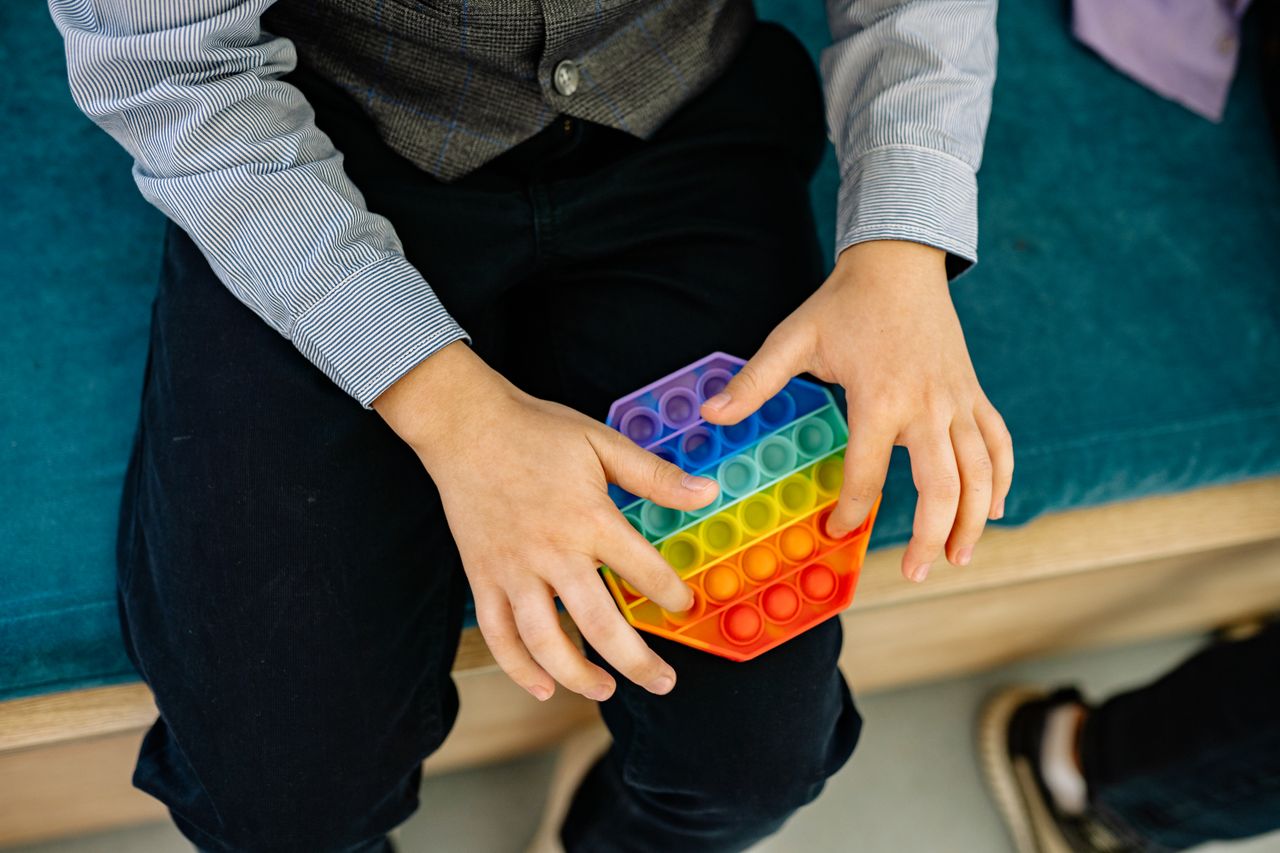
Ask any parent who has tried to get a toddler through a two-hour flight, or a restaurant table full of hungry kids waiting on a slow kitchen, and they'll tell you the same thing: the meal or the trip isn't the hard part. The waiting is. That's where a small pouch of sensory toys, tucked into a diaper bag or a carry-on, quietly earns its keep. A set of fidget toys has become as standard in our travel kit as sunscreen and snacks, and once you see what they do for a restless kid at a table, you understand why.
The Overlooked Ingredient in Family Travel
We spend a lot of energy planning the food, the itinerary, the hotel. What we plan for far less often is the boredom and overstimulation that come with new sounds, new smells, and long stretches of nothing to do. A busy market in Bangkok, a packed departure lounge, a restaurant with a forty-minute wait for a table — these are wonderful experiences for adults and genuinely overwhelming ones for kids. Sensory toys give a child something to hold and manipulate while everything else settles, which turns a meltdown-in-waiting into a manageable few minutes.
We noticed this firsthand during a family trip when our youngest hit her limit somewhere between the airport security line and the gate. A single small fidget toy pulled from the bag changed the entire mood of the next hour. No tablet, no noise, just something to squeeze and click.
Why They Work at the Dinner Table Too
Restaurants are sensory-heavy places by design. Clattering plates, background music, unfamiliar smells drifting from the kitchen, bright lighting — it's a lot to process, especially for younger kids or anyone who finds new environments a little much. Sensory toys give hands something quiet to do while the rest of the senses catch up, which means fewer dropped forks, fewer trips to "look at the fish tank," and a better shot at everyone actually enjoying the meal.
This isn't just a parenting trick, either. Plenty of adults reach for the same kind of tool. Servers, chefs on a short break, and travelers waiting on a delayed connection all use small sensory objects the same way — something to occupy the hands so the mind can settle. It's part of why fidget toys have shown up on so many "what's in my travel bag" lists lately, right next to the portable charger and the collapsible water bottle.
What Makes a Good Sensory Toy for Travel
Not every sensory toy earns a permanent spot in a travel bag. A few things separate the ones that actually get used from the ones that end up buried at the bottom:
Quiet Operation
Clicky, squeaky, or loud toys work fine at home but draw stares in a quiet restaurant or a plane cabin. Look for options built for discreet, low-noise use.
Compact Size
Anything travel-worthy needs to fit in a small bag pocket without adding bulk. Bulky sensory items tend to get left behind exactly when they're needed most.
Durable Build
Between sticky restaurant tables and the bottom of a backpack, a toy needs to survive daily handling. Cheap plastic versions crack fast; well-made ones last for years of trips.
A Range of Textures and Movements
Kids and adults respond differently to spinning, clicking, squeezing, or sliding motions. Having a small variety on hand means there's usually something that clicks for whoever needs it in the moment.
This is where a dedicated brand like Kaiko Fidgets tends to stand out from the generic options sold at checkout counters — the pieces are built specifically with portability and quiet handling in mind, rather than as an afterthought.
Building a Small Kit Worth Packing
A useful travel sensory kit doesn't need to be elaborate. A small zip pouch with two or three different toys covers most situations — one for spinning or rolling, one for squeezing, and one for clicking or sliding. Keep it in the same spot every trip, whether that's a front pocket of the carry-on or the outer pouch of a diaper bag, so it's never the thing you forget while rushing out the door.
For families who eat out often or travel with kids who get overstimulated easily, this small habit pays off far more than its size suggests. It won't make the wait shorter, but it changes what that wait feels like, for the kid holding the toy and for everyone at the table with them.
The Takeaway
Good travel and good meals out both come down to managing the in-between moments as much as the highlights. Sensory toys are a small, low-cost way to smooth over the waiting, the overstimulation, and the restlessness that come with both. Pack a few, keep them within reach, and the next long wait — at a gate, at a table, anywhere in between — becomes a lot easier to sit through.