

















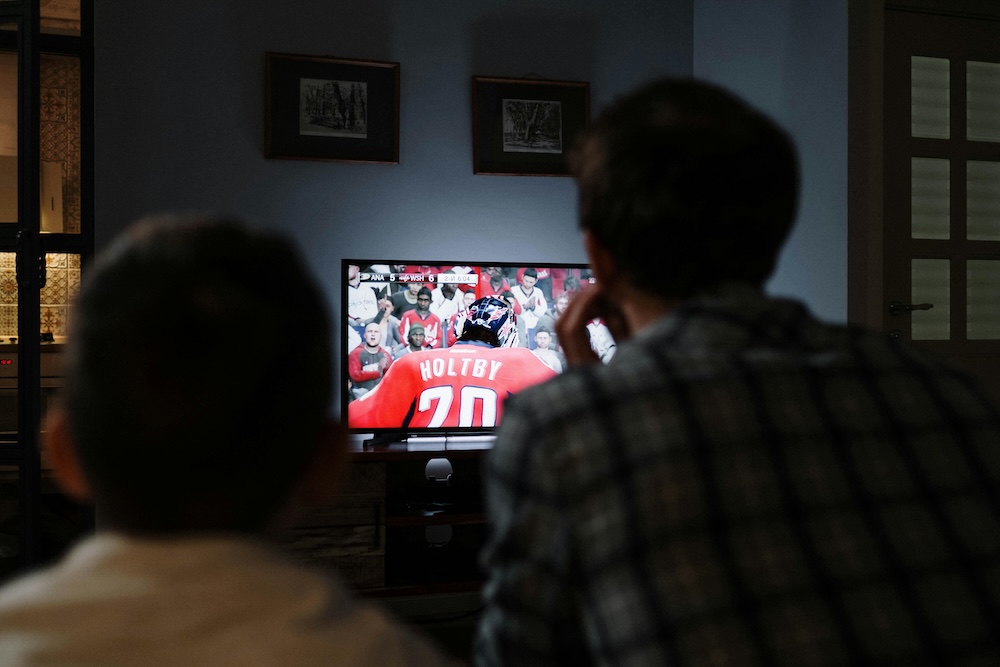
A great home TV experience isn’t just about buying a big screen and calling it a day. That used to be enough. Not anymore.
Now, it’s about how everything works together. Picture, sound, comfort, and access. When these pieces click, watching TV feels effortless and immersive.
Let’s break down the seven features that actually make a difference.
1. High-Quality Display: Where It All Starts
If the picture isn’t good, nothing else matters.
Modern TVs offer 4K and even 8K resolution, but resolution alone isn’t the whole story. Color accuracy, contrast, and brightness play a bigger role in how real everything looks.
Why HDR Makes a Difference
HDR improves how light and dark areas appear on screen. You get deeper blacks, brighter highlights, and more detail overall.
What this really means is simple. The closer the picture feels to real life, the better the experience.
2. Immersive Sound: The Missing Piece for Most Setups
Here’s where most people fall short.
Built-in TV speakers are fine for casual watching, but they lack depth. Dialogue can sound flat, and action scenes lose impact.
Soundbars and Surround Systems
A good soundbar instantly improves clarity. If you want more depth, a surround system creates a cinematic feel right in your living room.
Once you upgrade the sound, you’ll notice the difference immediately. It pulls you into what you’re watching.
3. Smart TV Features That Actually Help
Smart TVs have changed how people interact with content.
Instead of switching devices, everything is built in. Apps like Netflix, Amazon Prime Video, and Disney+ are just a click away.
Why This Matters
- Faster access to content
- Fewer cables and devices
- One interface for everything
The experience feels smoother when you don’t have to think about how to get to your content.
4. A Comfortable Viewing Environment
Even the best TV won’t look good in the wrong setup.
Where you sit, how far you are from the screen, and how your room is lit all affect the experience.
What to Get Right
- Sit at a proper distance based on screen size
- Avoid placing the TV opposite bright light sources
- Use soft lighting to reduce eye strain
What this really means is that comfort isn’t optional. It’s part of the experience.
5. Easy and Flexible Content Access
Content is the reason people turn on the TV in the first place.
A great setup makes it easy to find and watch what you want without friction.
Choosing the Right Options
Most people rely on streaming services, but some also explore alternatives like IPTV providers for broader channel access and flexibility.
The goal is simple. No delays, no confusion, just instant access.
6. Simple Navigation and Control
A complicated interface ruins the experience fast.
You shouldn’t have to dig through menus just to find a show.
What Good Navigation Looks Like
- Clean, easy-to-use menus
- Quick search functionality
- Voice control for faster access
When everything is intuitive, you spend less time searching and more time watching.
7. Strong Internet and Smooth Performance
Here’s something people underestimate.
Even the best TV setup falls apart with slow internet.
Why Speed Matters
- Prevents buffering
- Supports high-quality streaming
- Keeps apps running smoothly
If your connection is unstable, the experience breaks. It doesn’t matter how good your TV is.
Conclusion: It’s the Combination That Counts
A great home TV experience comes down to how well everything works together. It’s not just about a big screen, but clear sound, easy navigation, and smooth access to content. When these elements align, watching becomes effortless and enjoyable. Some viewers also explore options like IPTV services in the UK to expand their content choices. What this really means is simple. Focus on balance, not just upgrades, and your everyday viewing experience improves instantly.