

















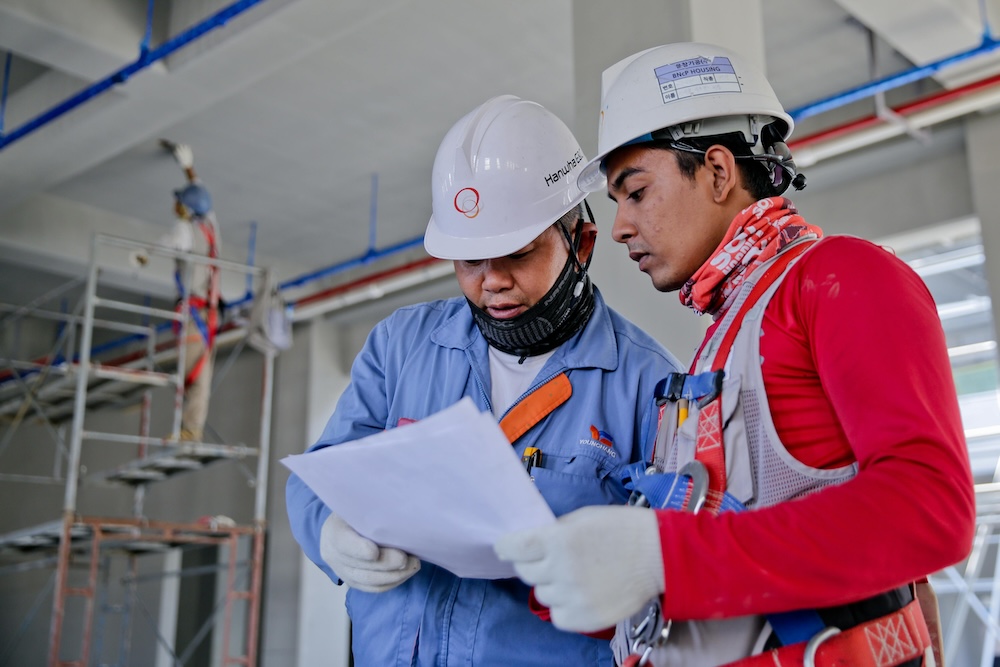
A safe workplace is more than a regulatory requirement; it is a foundation for productivity, trust, and long-term business success. Organizations that prioritize safety protect not only their employees but also their reputation, operational continuity, and financial stability. Workplace accidents, health hazards, and unsafe practices can lead to serious consequences, including injuries, legal issues, and decreased morale. Creating a safer environment requires a proactive approach that combines leadership commitment, clear procedures, employee engagement, and ongoing evaluation. By implementing structured strategies and fostering a culture where safety is embedded in everyday operations, companies can significantly reduce risks and build a resilient workforce.
1. Establishing a Strong Safety Culture from the Top Down
A safe workplace begins with leadership. When management consistently demonstrates that safety is a priority, employees are more likely to adopt responsible behaviors and follow established protocols. This commitment must go beyond written policies and extend into daily actions, decision-making processes, and resource allocation. Leaders should model safe practices, address hazards promptly, and communicate openly about safety expectations.
Clear safety policies and procedures form the backbone of any effective program. These guidelines should outline responsibilities, emergency procedures, reporting channels, and disciplinary measures for non-compliance. However, documentation alone is not enough.
2. Conducting Thorough Risk Assessments and Hazard Controls
Identifying and mitigating risks is a continuous process. Work environments evolve due to new equipment, changing workflows, or updated regulations, and safety measures must evolve accordingly. Conducting comprehensive risk assessments allows organizations to pinpoint potential hazards and determine appropriate control measures.
Risk assessments should examine physical, chemical, ergonomic, and psychological hazards. For example, manufacturing facilities may face risks related to machinery operation, airborne particles, or repetitive tasks. Offices may need to address ergonomic strain and stress-related concerns. In industrial settings where airborne contaminants are present, implementing proper ventilation systems and using equipment such as a quality industrial dust collector can significantly reduce exposure to harmful particles and improve overall air quality.
3. Providing Comprehensive Training and Ongoing Education
Training is essential for empowering employees to work safely and respond effectively in emergencies. New hires should receive thorough onboarding that covers workplace hazards, safety protocols, emergency procedures, and proper equipment use. However, safety education should not stop after initial orientation.
Ongoing training sessions reinforce knowledge and address emerging risks. Refresher courses, workshops, and scenario-based drills ensure that employees remain confident and prepared. For example, fire evacuation drills, first-aid training, and equipment-handling simulations can significantly improve response times in real incidents. Training should also be tailored to specific roles. Employees who operate heavy machinery require detailed instruction on safe operation and maintenance, while office staff may benefit from ergonomic training to prevent musculoskeletal disorders.
4. Encouraging Employee Involvement and Accountability
A truly safe workplace is one where every individual feels responsible for maintaining high standards. Encouraging employee involvement fosters a sense of ownership and strengthens compliance with safety protocols. Workers who participate in safety committees, inspections, and brainstorming sessions are more likely to adhere to established guidelines and influence peers positively.
Creating cross-functional safety committees allows employees from different departments to share insights and collaborate on solutions. These committees can review incident reports, suggest improvements, and monitor progress on safety initiatives. Recognizing and rewarding proactive behavior, such as reporting hazards or suggesting preventive measures, further motivates participation. Accountability is another critical component. Clear expectations and consistent enforcement of rules ensure fairness and maintain credibility.
5. Monitoring Performance and Continuously Improving
Safety is not a one-time initiative but an ongoing process of evaluation and refinement. Organizations should establish measurable safety metrics, such as incident rates, near-miss reports, training completion rates, and inspection results. Regularly reviewing these indicators provides insight into trends and areas requiring attention.
Incident investigations play a crucial role in continuous improvement. Rather than assigning blame, investigations should aim to uncover root causes and systemic issues. Corrective actions must be documented, implemented, and monitored to ensure effectiveness. Sharing findings with the broader workforce promotes transparency and collective learning.
Creating a safer workplace environment requires commitment, structure, and continuous effort. When employees feel protected and valued, morale improves, productivity increases, and the organization is better positioned for sustainable success. Ultimately, investing in workplace safety is not only a legal and ethical responsibility but also a strategic advantage that benefits everyone involved.