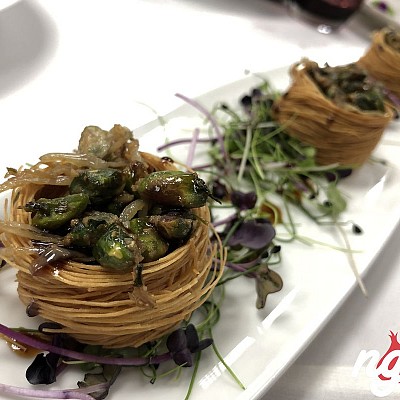

















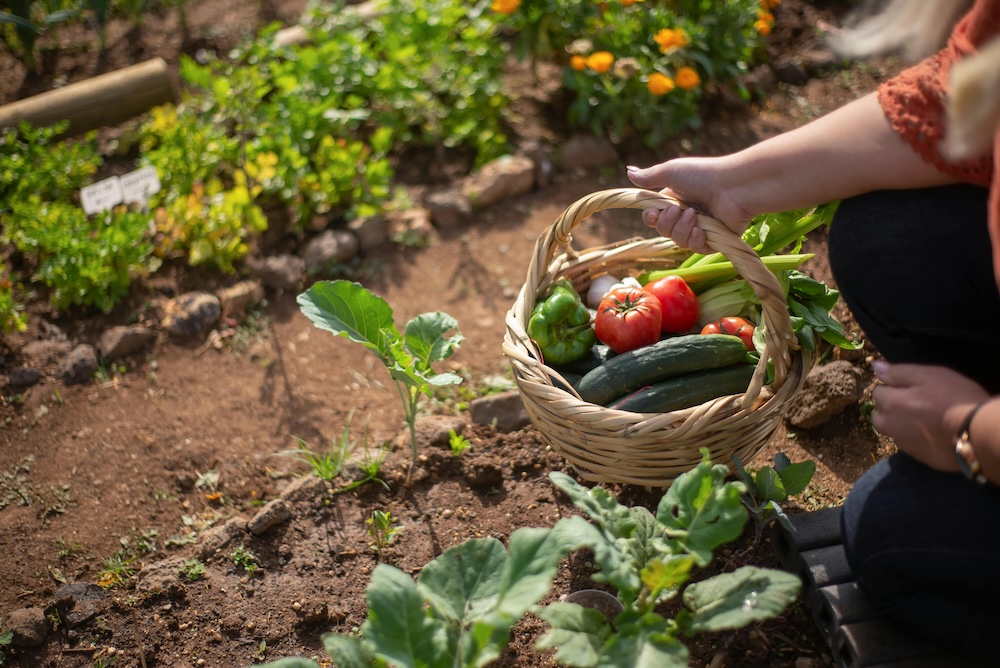
Want to elevate your kitchen to the next level with quality ingredients?
Finding fresh produce suppliers can change your business for the better.
Not convinced?
Poor-quality produce is consistently one of the biggest complaints from customers. The right suppliers have the power to change everything for your kitchen.
But there's the problem:
Bad produce. Unreliable deliveries. Sour supplier relationships.
With weak partnerships, these issues can plague your kitchen long-term.
And affect your profits.
The good news?
Partnering with the right suppliers for your kitchen can solve many issues and unlock more benefits than just fresh food delivery.
Here's a quick preview:
- Why supplier partnerships are key for your kitchen
- How to find the best produce suppliers
- Tips for building lasting supplier relationships
- Managing produce costs without compromising quality
Ready to take your fresh produce sourcing to the next level?
Then let's jump in.
Why Your Kitchen Needs The Right Produce Partner
Partnering with quality suppliers is more than just getting fresh vegetables and fruits delivered.
Partnering with quality suppliers is about building a relationship that helps your kitchen succeed. When looking for reputable wholesalers, look for partnerships that support your goals as a kitchen. The best fruit wholesalers share your focus on menu quality and can consistently deliver fresh products. This also becomes more important when you consider that produce accounts for significant waste in food service.
Think of it this way:
Suppliers become an extension of your own kitchen team. A good supplier needs to know your menu, your standards, and your goals. The strongest supplier relationships are built on trust, communication, and mutual respect.
And here's something most kitchens don't realize…
Building strong supplier partnerships can actually save you money in the long run. Strong supplier partnerships mean less waste, fewer emergency orders, and better planning which means you get to save more for your pocket.
Finding Suppliers That Actually Deliver
Here's some good news:
Finding great suppliers is a lot easier than before. Local growers, established wholesalers, and innovative startups are all out there. But some suppliers are better than others.
Start by doing your research on potential suppliers.
As you find a good number of suppliers, then ask yourself the following questions:
- What's their reliability record?
- Do they have a history of providing consistent quality?
- Can they grow with your kitchen?
- How do they handle issues or complaints?
Local suppliers are usually a great source of fresh and high-quality produce. With shorter transport time, the shorter the time from farm to table. Working with local farms is a great way to build community ties, and it's also more appealing for customers who prefer more sustainable products.
Larger wholesalers can also be a good option for kitchens. Larger suppliers have more experience, broader selection, competitive prices, and the capacity to handle high demand.
The trick here is finding the right balance for your kitchen's specific needs.
Building Relationships That Last
How it's done:
The best supplier partnerships work together instead of just being transactional. Both parties should share information about each other's expectations, limitations, and goals.
Schedule regular check-ins with your suppliers.
Not only when an issue or problem happens. These meetings help with planning for the season changes, potential menu changes, and quality standards. Transparency is critical here. Both parties need to share information about available stock, pricing, and demand.
Tip: Transparency is critical. Share your projections and ordering patterns. The more information you can provide, the more your supplier can plan for your needs and maintain a healthy stock level.
Here's another gamechanger…
Respect your suppliers. Pay on time. Provide constructive feedback when needed and acknowledge when they go above and beyond to help your business. Treat your supplier as you'd like to be treated and you'll build long-term goodwill for when you need some flexibility or need priority.
Quality Control You Can Count On
Let's look at an example:
A quality standard set from the start helps your supplier know what you expect. These standards should include everything from freshness, size, packaging, and how the items are transported.
Inspect the delivery once you receive them. Don't wait a few hours to check the items. Resolve problems as soon as they happen.
Document. Take photos of any quality issues and maintain records of the time it's delivered and any other problems. This data is crucial in identifying the problem areas and for bringing up with suppliers about areas for improvement.
The thing to remember here is that…
Even the best suppliers have their off days. The key difference is how they respond. The best suppliers will be responsive, will work with you to solve the problems, and will take the necessary steps to fix issues and avoid them from happening in the future.
Smart Cost Management Without Compromise
Lowering costs doesn't have to equal reduced quality.
The restaurant industry wastes billions spent annually on food that is thrown away. Kitchen management practices and purchasing strategies can be the culprit of this overproduction. Purchasing food smartly can save you a lot of wasted money.
Buying seasonally can be less expensive since more items are in abundant supply. Seasonal produce is usually fresher and more flavorful too.
Pursuing relationships with different suppliers for each category of food your kitchen needs creates competition and gives you other options if one supplier is having issues.
Negotiate discounts for volume purchases when necessary. Buying in bulk often gives discounts but only if you can use the food before it expires or spoils.
Create menus based on availability and low-cost items. Flexibility in your menu allows you to use items when your suppliers have a surplus of fresh and delicious ingredients that are on sale.
The one thing to keep in mind here is that…
The lowest-cost supplier isn't always the most valuable. Take into account other factors such as waste, consistency, and reliability. A slightly more expensive supplier who consistently gives you perfect quality and on-time deliveries may actually cost you less than bargain produce that spoils quickly.
Communication Is Everything
Here's a little secret:
Communication is the difference between good supplier relationships and excellent ones. Clear and consistent, and proactive communication will help keep relationships on strong grounds.
Have different communication channels for different matters. Email is fine for orders and documentation. Phone for urgent issues. Formal meetings for strategies.
Be specific in your orders. Details about the exact number of items, the delivery schedule, quality, and special requirements should be included in every order.
Give advance notice to your suppliers for changes. Suppliers need to source and plan ahead for new items, especially for large and unusual orders.
Here's another thing not many people notice:
Offer praise when necessary. If a supplier does a great job, then let them know. Positive reinforcement can help build good behavior and relationships.
Making It Work Long-Term
Building long-term and successful supplier relationships need work from both ends.
Test new suppliers before committing. Place a small order and test their capabilities. If you're satisfied, you can scale your relationship and requirements with the supplier.
Evaluate your suppliers regularly. Keep track of delivery times, order accuracy, consistency, and overall value.
Don't rush to replace your suppliers at the first sign of problems. Long-term partnerships have benefits new suppliers can't immediately match. Try to resolve minor issues before switching suppliers.
The best partnerships are ones that adapt. Your needs, the market, and available products all change. Staying flexible and communicating the changes will help to maintain a strong relationship.
Wrapping Things Up
Partnering with the right fresh produce suppliers for your kitchen is a vital step in your business.
Building strong and quality supplier partnerships will give you consistent quality, reliability, and value for your kitchen. Good supplier relationships also help you control your costs, reduce waste, and give your customers' fresh, high-quality items for their meals.
The important thing here is to see supplier relationships as partnerships instead of a necessity. Communicate openly, set and communicate quality standards, pay fairly and on time, and take the time to build trust.
Don't settle for suppliers who see your kitchen as just another account. Look for partners who share your vision for menu quality and who want to see your kitchen thrive.
Take the time to build these partnerships right. The work you put in now will benefit your kitchen, your business, and your profits for years to come.