

















Olive oil is more than a pantry staple, it’s a cornerstone of healthy, flavorful cooking that can transform everyday meals. The difference between an average oil and a truly exceptional one is substantial, affecting both taste and nutritional value. With countless options on store shelves, selecting a high-quality bottle can feel overwhelming. The key is knowing which indicators truly matter and how to spot them with confidence.
Understanding Olive Oil Grades
Before choosing a bottle, it’s important to understand the official classifications of olive oil. Extra virgin olive oil (EVOO) is considered the gold standard. It’s extracted from the first cold pressing of olives without heat or chemicals, resulting in oil with low acidity, less than 0.8%, and the highest concentration of antioxidants and polyphenols. These compounds deliver health benefits and contribute to its vibrant flavor profile.
Virgin olive oil, while still made through mechanical extraction, has slightly higher acidity and a milder taste. Oils labeled “pure,” “refined,” or “light” have undergone industrial refining processes that strip away much of the flavor and beneficial nutrients. Knowing these distinctions ensures you’re starting your search from an informed perspective.
Researching Trusted Producers
The journey to exceptional olive oil starts at the source. Some buyers take time to look into https://frantoiogrove.com/ and other providers to evaluate how the olives are grown, harvested, and processed. Reputable producers are transparent about their methods, often providing details about the olive varieties they cultivate, the regions where they grow, and the exact processes used to press the oil.
Small-batch or estate-produced oils often have the advantage of strict quality control. Large-scale commercial oils can be good, but the risk of blending with lower-grade oils is higher. Taking a few minutes to learn about the producer can safeguard you from misleading marketing claims and ensure you’re investing in an authentic product.
Reading And Decoding The Label
A label can reveal a lot about the quality of olive oil if you know what to look for. Seek out a clearly marked harvest date rather than just a “best by” date, as freshness is one of the most critical factors in preserving flavor and nutrients. Look for the specific country or region of origin, and when possible, choose oils labeled as single estate or single origin.
Certification seals from reputable organizations, such as the California Olive Oil Council (COOC) in the United States or Protected Designation of Origin (PDO) in Europe, add another layer of assurance. These certifications mean the oil has met strict production and quality standards. Vague terms like “imported from” without specific regional detail often indicate blended oils of uncertain quality.
Considering Freshness And Harvest Dates
Olive oil is best enjoyed fresh. While it won’t spoil immediately, its polyphenols and antioxidants begin degrading soon after production when exposed to light, heat, or air. Ideally, you should choose an oil from the most recent harvest, usually within the past 12 months, and consume it within a few months of opening.
A good rule is to buy smaller bottles if you don’t use olive oil frequently. This way, you minimize the time it spends open and exposed to oxygen. Fresh oil retains its vibrant aroma, robust flavor, and health-protective compounds far better than older stock.
Tasting For Quality
Your senses are powerful tools for judging olive oil. A high-quality EVOO should have a fresh, fruity, or grassy aroma, sometimes with hints of green apple, herbs, or tomato leaf. On the palate, expect a balance of fruitiness, bitterness, and pungency, a slight peppery kick at the back of your throat that signals high polyphenol content.
Defects in flavor can reveal poor quality or age. Rancidity produces a waxy or crayon-like taste, while mustiness suggests improper storage or fermentation. Metallic or flat flavors often indicate oil that has been stored in unsuitable containers or exposed to air for too long. Tasting before buying, if possible, gives you the best chance of selecting a product that will shine in your recipes.
Packaging And Storage Practices
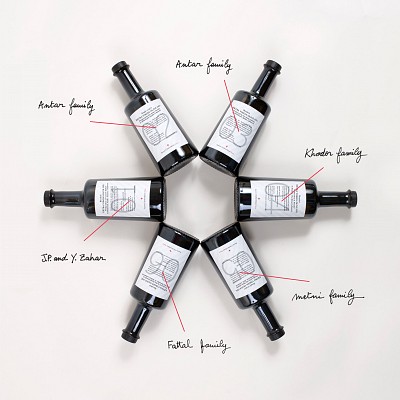
The packaging of olive oil isn’t just a design choice, it directly impacts quality preservation. Dark glass bottles, opaque tins, or stainless steel containers are best for blocking harmful light. A tight-sealing cap prevents oxygen from degrading the oil. Clear plastic bottles should be avoided for long-term storage as they offer little protection against light and air.
Once you bring a bottle home, store it in a cool, dark location away from the stove or oven. Even a high-quality EVOO will lose its vibrancy if kept near heat. Treating your oil with care ensures that its aroma, taste, and health benefits remain intact until the very last drop.
Selecting a quality olive oil is as much about knowledge as it is about taste. By understanding grades, researching producers, decoding labels, checking freshness, tasting for quality, and paying attention to packaging, you can feel confident in your choice. That confidence will reward you with an oil that enriches your meals and supports your well-being, an investment worth every pour.