

















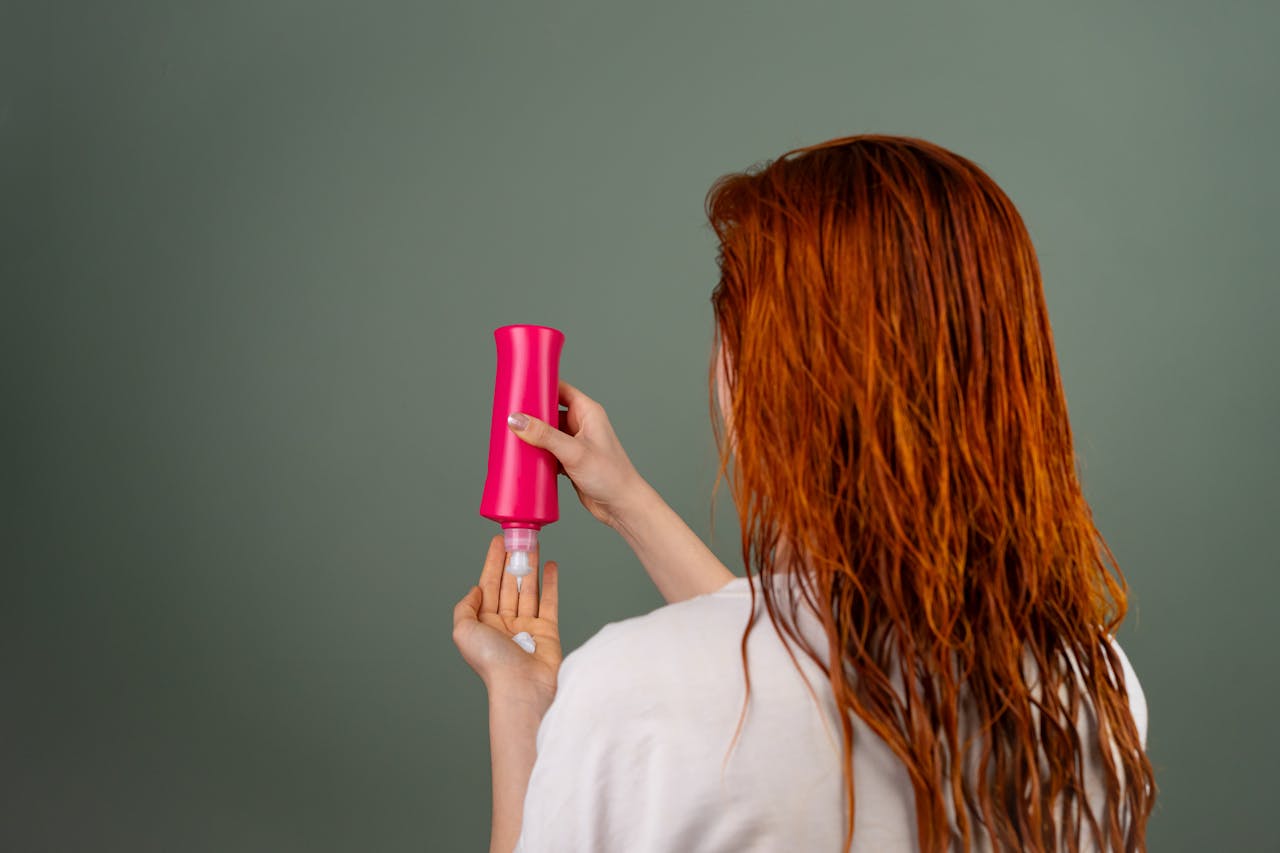
Hair is a biological structure with amazing intricacy, not only a feature of your appearance or a statement of personal style. Our hair, whether thick, thin, curly, or straight, contributes to our sense of self and identity. However, a lot of individuals don't start considering how hair works until problems like thinning, breakage, or dryness occur. It is essential to comprehend how hair grows, what it is composed of, and the elements that affect its state in order to maintain strong, healthy hair. You will gain a basic grasp of how your hair actually functions by following this course, which will take you through the basics of hair structure, growth cycles, and upkeep.
There's More to Hair Structure Than First Appearances
Every hair strand you see on your head is a complex fiber made mostly of keratin, a protein. However, that is just a portion of the story. The two primary components of hair are the hair follicle, a tunnel-like segment beneath the scalp where the hair begins, and the hair shaft, which is the visible portion above the skin. The hair bulb, which contains living cells and is in charge of producing new hair, is located inside the follicle. The nutrients needed for cell division and hair formation are supplied by blood vessels near the bulb's base. Older cells are forced up and out of the follicle as new ones form, where they undergo a process known as keratinization and harden, ultimately forming the non-living shaft. The medulla (innermost), cortex (middle), and cuticle (outermost) are the three layers that make up this structure. Similar to roof shingles, the cuticle shields the inner layers from harm and moisture loss.
Comprehending the Cycle of Hair Growth
Hair grows in three separate phases: anagen, catagen, and telogen. It does not grow continually. Depending on genetics, the anagen phase, which is the time of active growth, can continue anywhere from two to seven years. Hair grows about one centimeter every month at this time. Hair separates from the blood supply and ceases to grow during the brief transitional period known as the catagen phase, which lasts two to three weeks. Lastly, the hair comes out, and a new strand starts to grow in the follicle during the three-month-long telogen phase, which is the resting phase. Approximately 85–90% of your hair is in the anagen phase at any given moment. Knowing this cycle makes it easier to understand seasonal shedding or post-stress hair loss. It also emphasizes the value of long-term care as opposed to relying on goods or treatments to produce immediate results.
Options for Treating Damage and Hair Loss
Many individuals look for both cosmetic and medical treatments when their hair begins to thin or shed excessively. Some choose to use dietary supplements or over-the-counter serums, while others seek expert therapies. A successful hair transplant in Australia is a common and successful treatment for restoring hair density. By moving healthy hair follicles from one area of the scalp to the thinning portions, this surgical technique restores natural growth. The procedure is now less invasive and more accurate thanks to contemporary hair transplant methods like Follicular Unit Extraction (FUE) and Follicular Unit Transplantation (FUT). Apart from transplants, therapies such as low-level laser therapy, microneedling, and platelet-rich plasma (PRP) therapy are becoming more and more well-liked for promoting follicle health and growth. Before beginning any treatment, it's crucial to speak with a licensed dermatologist or trichologist to identify the underlying reason for hair loss. Because everyone has different needs, what suits one individual might not work for another.
Factors Affecting Hair Health
Your hair's health and look are influenced by a number of factors, some of which are under your control and others of which are not. Hair type, color, density, and growth rate are mostly determined by genetics. External factors, including nutrition, stress, hormonal fluctuations, and scalp care, are just as important, though. Hair loss or dull, brittle hair might result from a diet low in protein, iron, or vital fatty acids. In the meantime, telogen effluvium, a condition in which more hairs than usual enter the resting phase, can be brought on by prolonged stress. Hair growth and thickness are also impacted by hormonal changes, such as those that occur during pregnancy or menopause. Furthermore, suffocating follicles and impeding growth can result from neglecting scalp health, which includes not cleaning frequently, using harsh treatments, or allowing product buildup. Hair can be made to last longer and look better by shielding it from mechanical stressors like tight hairstyles and rigorous brushing, as well as environmental factors like the sun and pollution.
Creating a Hair Care Routine That Works
Now that you know the fundamentals of hair care, you can create a regimen that promotes long-term health. Selecting shampoos and conditioners that are appropriate for your hair type—dry, oily, fine, color-treated, etc.—should be your top priority. Products that include a lot of alcohol, sulfates, or parabens should be avoided because they might deplete the hair's natural oils. While infrequent cleaning might result in buildup that clogs follicles, excessive washing can cause dryness. To keep moisture levels stable, use hair masks and deep conditioning treatments on a regular basis. Always use a thermal protectant if you use heat tools frequently to prevent harm. Using essential oils like peppermint or rosemary to massage the scalp can encourage growth and circulation. Lastly, to avoid breakage and remove split ends, clip your hair every 6 to 8 weeks. Maintaining consistency and paying attention to the unique needs of your hair are more important than making your process too complicated.
Knowing the biology of your hair is the first step in taking care of it. Hair reflects both internal health and exterior habits, from the cellular activities in the follicle to the surface structure you style every day. You can choose products, treatments, and regimens wisely if you understand how hair grows and what influences its condition. The basis is always the same, regardless of your goals: maintaining your hair's strength and shine, preventing hair loss, or enhancing its natural texture. You've started along the path of treating your hair as a living, breathing component of your body that requires careful attention, rather than merely an adornment, by using this Hair Care 101 tutorial.
You may also want to explore dutasteride vs finasteride side effects, which can include sexual dysfunction, such as decreased libido or difficulty achieving an erection, as well as other potential effects like mood changes or breast tenderness. After this sentence: Because everyone has different needs, what suits one individual might not work for another