

















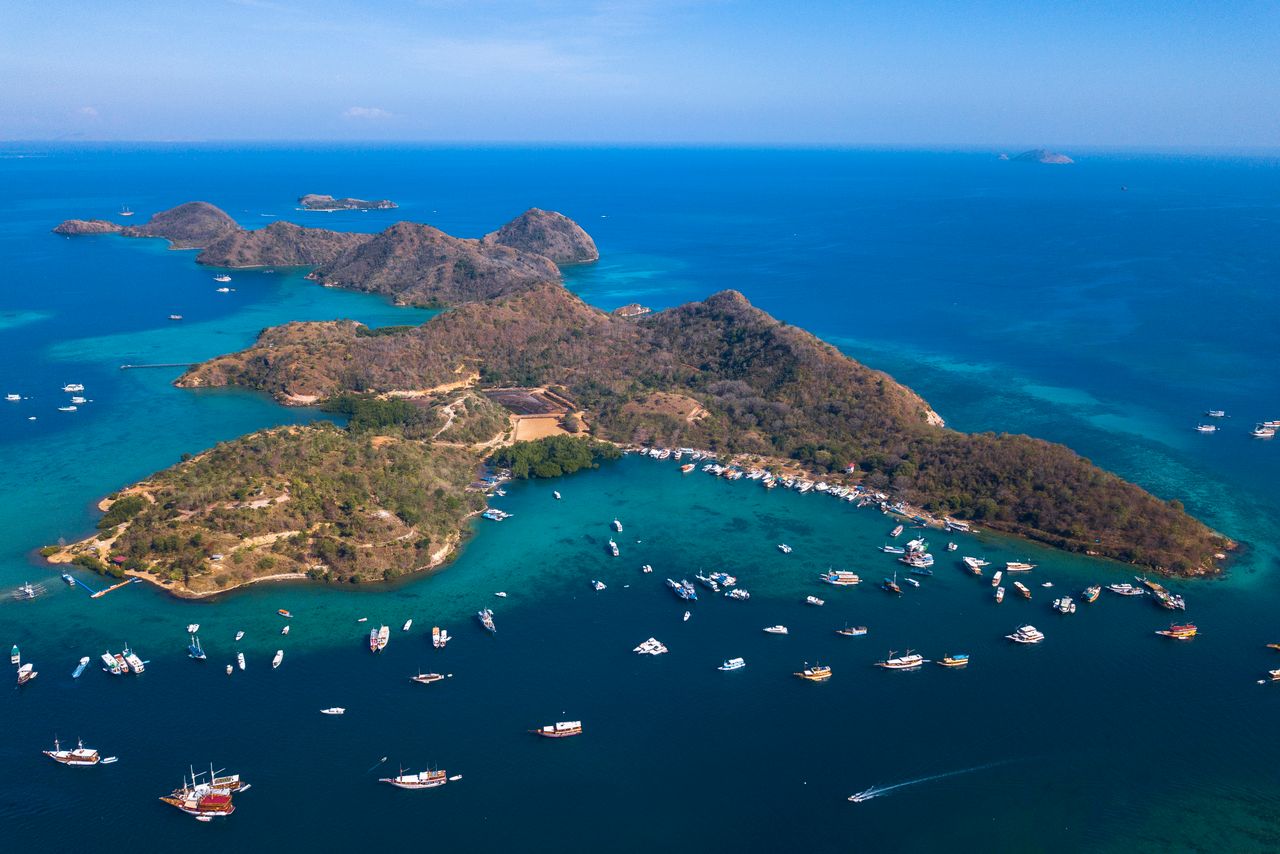
Komodo Island is one of Indonesia's most distinctive destinations, known as the natural habitat of the Komodo dragon, the world's largest living lizard. Located within Komodo National Park in East Nusa Tenggara, the island combines unique wildlife, rugged landscapes, and rich marine ecosystems.
This article will help you understand what maks Komodo Island a well-rounded travel destination for your next holiday.
What is Komodo Dragon
The Komodo dragon is the largest living lizard species and exists naturally only on a handful of Indonesian islands. It has become a symbol of Indonesia's biodiversity and attracts researchers, photographers, and travelers from around the world.
Despite their impressive size, Komodo dragons are highly adapted predators capable of moving surprisingly quickly over short distances. Their presence has played a major role in establishing Komodo National Park as one of Indonesia's most important conservation areas.
Scientific Classification
Komodo dragons belong to the monitor lizard family and are scientifically known as Varanus komodoensis. They evolved over millions of years and represent one of the most unique reptile species still living today.
Physical Appearance
Adult Komodo dragons can grow to more than three meters in length and weigh over 70 kilograms. Their muscular bodies, thick tails, sharp claws, and serrated teeth allow them to hunt large prey while navigating the island's rugged terrain.
Natural Behavior
Komodo dragons are generally solitary animals that spend much of their time resting, hunting, or patrolling their territory. They rely on a highly developed sense of smell to locate food over considerable distances and are most active during the cooler parts of the day.
Where Do Komodo Dragons Come From?
Komodo Island is best known as the natural home of the Komodo dragon, but its appeal extends far beyond its famous reptiles. The island features rugged coastlines, white-sand beaches, and the nearby Pink Beach, where microscopic red coral fragments blend with white sand to create its distinctive color. Calm bays and crystal-clear waters provide a striking contrast to the island's dry savanna landscape.
Many visitors begin exploring the island from its coastal areas before heading inland. The beaches also serve as departure points for hiking trails, wildlife excursions, and marine activities throughout Komodo National Park.
Habitats on Komodo Island
Komodo Island is characterized by dry savanna hills, tropical forests, rocky coastlines, and seasonal grasslands that create a unique landscape unlike much of Indonesia. The warm climate and relatively low rainfall contribute to an environment well suited to the Komodo dragon and many other native species.
The island’s habitats extend across several islands, preserving not only the land but also the surrounding marine ecosystems. Careful conservation efforts help maintain these natural environments while allowing visitors to explore designated areas through guided trekking routes and regulated tourism activities.
Other Wildlife on Komodo Island
Although the Komodo dragon is the park's main attraction, the islands support a diverse range of wildlife. Visitors may encounter Timor deer, wild boar, water buffalo, monkeys, and numerous bird species while exploring the national park.
The surrounding marine environment is equally rich, with coral reefs, sea turtles, manta rays, reef sharks, and thousands of fish species contributing to one of the world's most diverse marine ecosystems.
Conservation Status
Komodo National Park was established to protect the Komodo dragon and its surrounding ecosystem. Today, conservation efforts extend beyond the reptiles themselves to include marine habitats, coral reefs, mangrove forests, and other native wildlife.
Park regulations help balance tourism with environmental protection. Guided walks, designated trails, and visitor management practices are designed to minimize human impact while allowing people to experience the island responsibly.
Visiting Komodo Island
Most visitors reach Komodo Island by boat from Labuan Bajo on Flores. Guided tours typically include wildlife trekking accompanied by park rangers, who provide information about the dragons while ensuring visitor safety.
Weather conditions influence travel throughout the year, with the dry season generally providing calmer seas and easier hiking conditions. Regardless of the season, visitors are advised to follow ranger instructions and remain a safe distance from wildlife.
Things to Do on Komodo Island
Komodo Island offers far more than the opportunity to see its famous dragons. Visitors can combine wildlife encounters with scenic hiking, beach visits, and marine adventures, making the island one of Indonesia's most diverse outdoor destinations. Many tours include both land and sea experiences, allowing travelers to appreciate the island's landscapes above and below the water.
Trek to See the Komodo Dragons
One of the main reasons people visit Komodo Island is to observe Komodo dragons in their natural habitat. Guided treks led by park rangers take visitors through dry savannas and forest trails while providing insights into the dragons' behavior, ecology, and conservation.
Depending on the selected route, trekking experiences range from short walks to longer hikes across the island's rolling hills. Along the way, visitors may also encounter Timor deer, wild boar, and a variety of native bird species.
Relax on Komodo's Beaches
Komodo Island's coastline provides a striking contrast to its rugged interior. White-sand beaches and nearby Pink Beach offer opportunities to relax, enjoy coastal scenery, or simply appreciate the island's unique volcanic landscape.
Many visitors spend time at these beaches before or after trekking, making them a popular stop during day trips and liveaboard itineraries through Komodo National Park.
Enjoy the Marine Life Through Diving
The waters surrounding Komodo Island are internationally recognized for their exceptional biodiversity. Coral reefs support abundant marine life, making scuba diving in Komodo Island one of the most popular activities for visitors. It allows them to experience colorful coral gardens, manta rays, sea turtles, reef sharks, and countless tropical fish during the same journey. The combination of terrestrial wildlife and vibrant underwater ecosystems makes Komodo one of Indonesia's most distinctive adventure destinations.
Join a Boat Tour Around the Islands
Boat tours are one of the most common ways to explore Komodo National Park. These excursions often visit multiple islands, secluded beaches, snorkeling sites, and scenic viewpoints within a single trip.
Traveling by boat also offers opportunities to enjoy panoramic views of the archipelago while accessing locations that cannot be reached by land.
Dive Centers in Komodo
Dive centers on the island typically assess each diver's certification level before recommending suitable dive sites and providing guidance based on current conditions.
For those who are new to diving or looking to improve their skills, it is also an ideal place to complete a PADI course in Komodo Island. Structured training helps divers build confidence while learning safe diving practices in one of Indonesia's most celebrated underwater environments.
Best Time to Visit Komodo Island
Komodo Island can be visited throughout much of the year, although seasonal weather patterns influence both wildlife viewing and marine activities. The dry season generally offers clearer skies, calmer seas, and comfortable trekking conditions.
During certain months, visitors may also observe seasonal changes in the island's landscape, with hills transitioning from lush green after the rains to the golden savanna appearance that has become one of Komodo's defining characteristics.
Conclusion
Komodo Island represents one of Indonesia's most extraordinary natural destinations. As the only home of the Komodo dragon, it offers visitors the opportunity to observe a species found nowhere else in the world while exploring dramatic landscapes shaped by volcanic activity and tropical climates.
Beyond its famous reptiles, the island showcases diverse wildlife, scenic coastlines, and exceptional marine ecosystems that contribute to its global reputation. Whether visiting for wildlife, hiking, or underwater exploration, Komodo Island provides a deeper understanding of the remarkable biodiversity found in eastern Indonesia.