















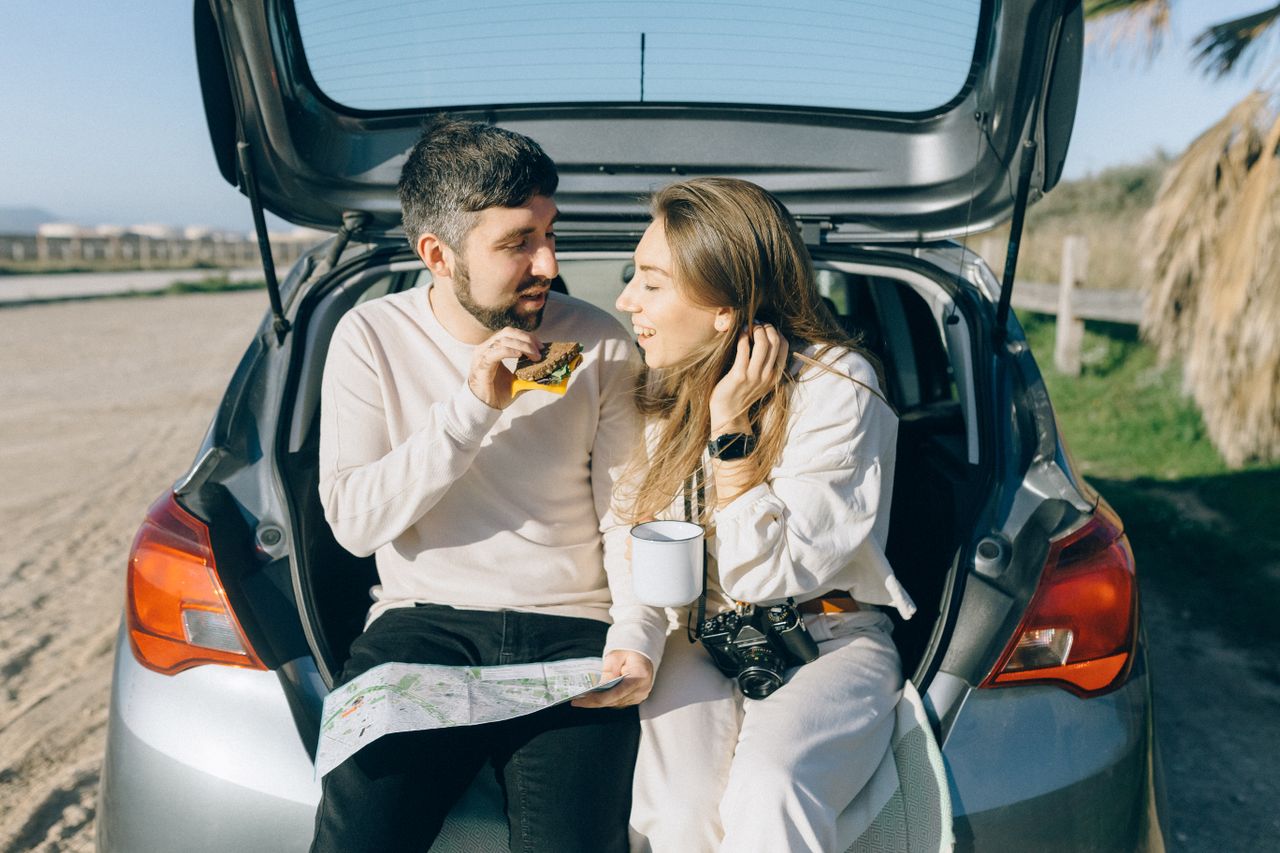
The best food in Britain is rarely where the most visitors go. It's in the farmhouse kitchen that doesn't appear in guides, the village pub that only locals know, the fish shed two miles past the end of the bus route, the cheese dairy that does tours twice a week if you can find it. Getting to these places requires a car. Finding them requires the kind of open-ended flexibility that only a car provides.
Food Tourism and the Case for a Hire Car
The rise of food tourism, travel motivated in whole or part by the prospect of eating and drinking well, has changed how a significant number of visitors approach the UK. Guided food tours in city centres have their place. But the producers, artisan makers, and kitchen-focused restaurants that represent the most exciting direction in British food are distributed across the country in ways that maps and timetables don't simplify.
VisitBritain has documented the growth in food-motivated tourism to the UK, noting that regional food identity, from Cornish fishing harbours to Scottish distillery country, from Yorkshire cheese country to the oyster beds of the Essex coast, is one of the country's strongest draws for international visitors with spending power. Reaching most of these places by public transport is either impractical or impossible.
The British Food Landscape by Region
Different regions offer different food identities, and a hire car is the most effective way to move between them.
Cornwall's fishing industry supports a seafood economy that extends from casual crab shacks on harbour walls through to restaurants with serious national reputations. The road between Padstow and Penzance passes enough good eating to justify several trips alone.
Yorkshire's food culture encompasses the sheep farming of the Dales, the fishing ports of Whitby and Scarborough, the artisan food producers of the rural east riding, and a restaurant scene in Leeds and York that punches well above provincial expectations. Moving between these requires a vehicle.
The Scottish food scene, particularly the seafood, venison, game, and whisky sectors, is centred on areas where public transport simply doesn't go. The west coast of Scotland, where some of the world's finest shellfish is landed, is a car-dependent destination without exception.
Planning the Food-Focused Hire Trip
Autofusion Hire provides the vehicle for this kind of trip. The fleet range, from compact cars suited to Cornwall's narrower lanes through to more substantial vehicles for extended northern touring, means the vehicle can be matched to the specific region and itinerary involved. For food-focused trips that will involve farmers' markets, producer visits, and multiple restaurant bookings across a defined area, the ability to move on your own schedule is what makes the trip work.
The booking process is clear and uncomplicated, which matters when you're spending your planning energy on where to eat rather than on decoding hire terms. Autofusion Hire's transparent pricing and straightforward collection and return process leave the complexity for the dining, not the transport.
Practical Considerations for Food Travel
A few practical elements improve a food-focused hire trip. Boot space matters when a visit to a cider farm or a Scottish distillery results in a case of bottles that need to come home. A car with a clean interior and a good ventilation system matters when the return trip follows a particularly aromatic lunch of aged cheese and smoked fish.
Driving after wine tastings is a specific concern for food travellers. Building itineraries that use tastings in the morning, before driving, or appointing a designated driver for the day, and planning accommodations that remove the need for an evening drive after a full dinner, are all worth thinking through in advance.
The Farmers' Market Circuit
Britain's farmers' market circuit, now covering most market towns and many city centres on a weekly or monthly schedule, provides one of the best introductions to a region's food identity. Markets in Stroud, Hexham, Hereford, and the specialist ones in Bath and Ludlow attract producers from across their regions, making a single morning's market visit a representative sample of what the surrounding area produces.
The markets that draw the most interesting producers tend to be in mid-sized towns rather than major cities, and getting to them on market morning at the right time, rather than the following afternoon, is precisely what a hire car enables.
From Table to Journey
The food traveller's ideal hire trip creates a loop that follows the food. A distillery in Speyside. Lunch at a Highlands hotel with locally caught venison on the menu. A fishing village where the catch came in that morning. A farmhouse cheesemaker doing an afternoon tour. None of this is on a rail line or a bus route. All of it is within driving distance of an Autofusion Hire vehicle and a food traveller with the right vehicle and the flexibility to use it.
Food tourism in the UK is still in an early stage of being recognised as the significant draw it has already become. The combination of exceptional regional produce, a restaurant scene that has genuinely improved over two decades, and landscapes that frame the meal as part of an experience rather than its own end: these together make Britain a more compelling food travel destination than its reputation historically suggested. A hire car is the key that connects the dots between the people making the food, the places where it's grown or caught, and the tables where it's best eaten.