















Home is no longer just a place to rest—it’s where we live, work, entertain, and recharge. As we approach 2025–2026, interior design trends are rapidly evolving to meet the needs of modern lifestyles. Today’s homeowners are seeking functional, sustainable, and tech-integrated spaces that are not only beautiful but also deeply personal.
Here’s a look at the top home trends that are shaping the way we design and furnish our living spaces in the coming years.
1. Biophilic Design: Bringing Nature Indoors
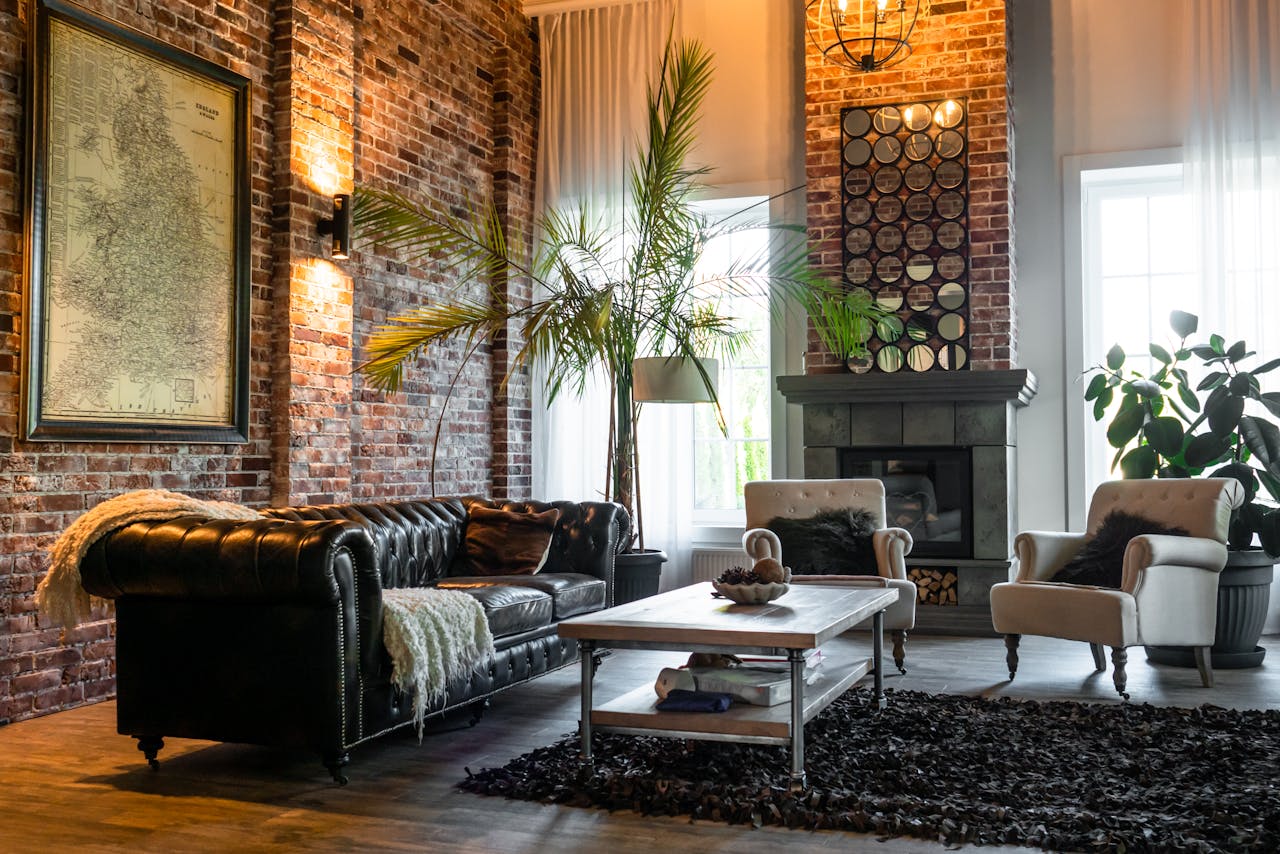
One of the strongest home trends continuing into 2025–26 is biophilic design, which emphasizes the connection between nature and indoor living. From large indoor plants and green walls to the use of natural materials like stone, bamboo, and reclaimed wood, homeowners are embracing nature-inspired aesthetics.
Large windows for natural light, earthy tones, and organic textures help reduce stress and create calm, grounded environments.
2. Flexible Multi-Use Spaces
With remote work and hybrid living now a standard part of life, the demand for multi-functional spaces is booming. Home offices double as guest rooms. Dining tables convert into workstations. Living rooms are designed with flexible furniture layouts that support both productivity and relaxation.
Furniture designers are responding with modular sofas, fold-out desks, and convertible shelving units that adapt to changing needs.
3. Minimalism with Personality
Minimalism is no longer about sterile white walls and hidden storage—it’s about intentional living. Homeowners are decluttering, but with style. Fewer items, yes—but each one chosen for its function and character.
Expect to see neutral palettes with warm accents, vintage furniture mixed with modern pieces, and minimalist decor enriched by handcrafted or artisanal touches that add soul and story to the space.
4. Earth Tones & Rich Neutrals
Color trends in home design are leaning toward calming, warm palettes. Think terracotta, olive green, sand, taupe, and deep caramel. These earth-inspired shades create inviting atmospheres and pair beautifully with both natural and contemporary materials.
Rich neutrals like chocolate brown, slate gray, and creamy ivory are replacing stark whites and cool grays, offering depth without overwhelming the space.
5. Sustainable & Ethical Materials
Homeowners are becoming increasingly conscious of the environmental impact of their furniture and decor choices. In 2025–2026, sustainability is a priority, not an option.
Recycled fabrics, low-VOC paints, reclaimed wood, and eco-certified furniture are in high demand. More people are choosing handmade, locally sourced items over mass-produced goods. Home improvements now include energy-efficient lighting, water-saving fixtures, and smart thermostats—all designed to reduce carbon footprints while enhancing comfort.
6. Smart Homes Get Smarter
Technology continues to seamlessly blend into home design. From smart lighting and voice-controlled thermostats to security systems and touchless faucets, smart homes are becoming standard, not futuristic.
Homeowners want automation that’s not just convenient but also stylish—think wall-mounted tablets with aesthetic UI designs, discreet sensors, and tech-integrated mirrors or countertops.
7. Statement Ceilings and Walls
While neutral tones dominate overall palettes, bold expressions are making their mark through statement ceilings, accent walls, and textured surfaces. Painted ceilings, wallpapered nooks, limewash finishes, and 3D wall panels are adding unexpected drama to modern interiors.
These design elements offer a way to personalize spaces without overwhelming them—perfect for those who love clean lines but crave visual interest.
8. Wellness-Centric Design
Finally, well-being is central to every aspect of home planning. This includes creating quiet zones for meditation, using calming colors, designing spa-like bathrooms, and even incorporating sound-absorbing materials for better acoustics and mental peace.
A growing trend is also the creation of digital detox areas—rooms or corners designed specifically without screens, encouraging mindfulness and connection.
Conclusion
The home trends of 2025–2026 reflect a clear shift toward thoughtful, adaptive, and eco-conscious living. Spaces are being reimagined not just for function and beauty but for flexibility, sustainability, and wellness. As design becomes more personalized and technologically advanced, homeowners are blending modern innovation with timeless comfort.
To stay updated on the latest in home design, smart living, and sustainable furniture trends, platforms like bht login are becoming go-to resources for homeowners and designers alike. Whether you’re renovating a single room or building your dream home, being informed is the first step to creating a space that’s truly future-ready.