

















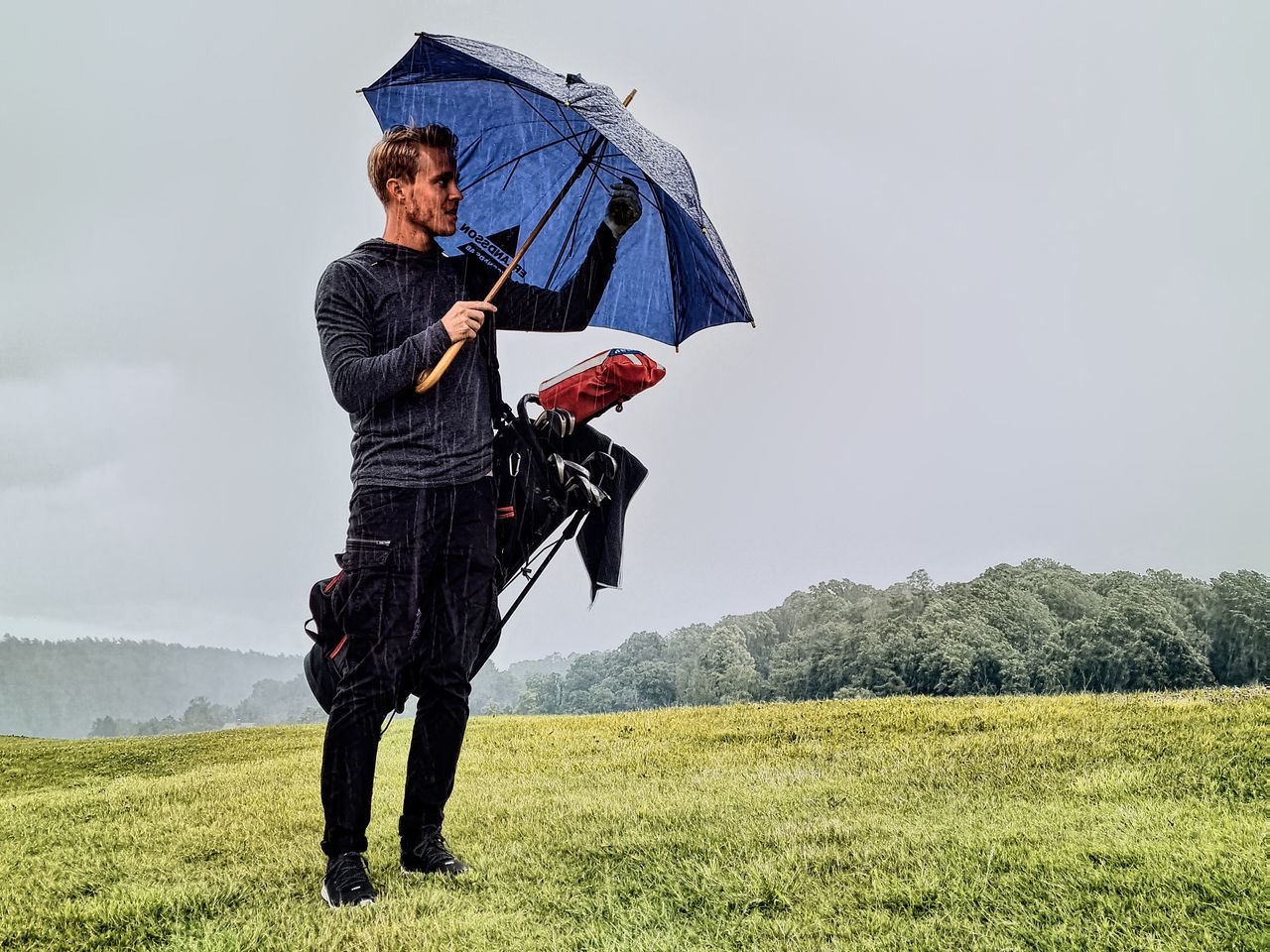
Spending time outdoors can be enjoyable in every season, but changing weather conditions can quickly affect comfort. Rain, muddy trails, wet grass, and strong winds can make walking, hiking, fishing, and countryside activities more challenging. Wearing suitable clothing helps people stay comfortable and enjoy their time outside without worrying about every change in the weather. Men's waterproof trousers provide an important layer of protection by helping keep moisture away from the skin. They also offer practical benefits for people who regularly work or spend leisure time outdoors. Choosing the right pair involves considering waterproof performance, breathability, fit, durability, and the type of activity. With the right features, outdoor trousers can make a noticeable difference to everyday comfort.
Why Waterproof Trousers Matter for Outdoor Activities
Weather can change quickly, particularly in open countryside and exposed locations. A dry morning can turn into a rainy afternoon, leaving ordinary trousers damp and uncomfortable. Wet clothing can restrict movement, make outdoor activities less enjoyable, and take a long time to dry. Waterproof trousers provide an additional protective layer that helps prevent rain and surface moisture from reaching everyday clothing.
They are useful for more than hiking. People who enjoy fishing, camping, dog walking, gardening, shooting, and other countryside activities can benefit from suitable waterproof clothing. Even short trips become easier when clothing offers protection against unexpected showers and wet conditions. Instead of avoiding outdoor activities whenever the forecast looks uncertain, people can prepare with practical clothing designed for changing weather.
Understanding Waterproof Materials
The material plays a major role in the performance of waterproof trousers. Manufacturers use different fabrics and construction methods to help prevent water from passing through the garment. Some designs include waterproof coatings, while others use specialised membranes that create a barrier against rain.
However, waterproof performance involves more than the fabric itself. Seams, zips, pockets, and waist closures can all affect how well trousers protect the wearer. Sealed or taped seams help reduce the risk of water entering through stitched areas. Secure fastenings also help prevent moisture from reaching the layers underneath.
When comparing different options, buyers should consider the conditions in which they plan to wear the trousers. Light protection may be sufficient for occasional showers, while regular exposure to heavy rain calls for more dependable waterproof construction.
Choosing the Right Fit for Comfortable Movement
A comfortable fit is essential when choosing outdoor clothing. Waterproof trousers should provide enough room for natural movement without feeling excessively loose or restrictive. This is particularly important for activities such as hiking, climbing, fishing, and working outdoors, where people frequently bend, stretch, kneel, and walk across uneven ground.
Many people wear waterproof trousers over regular clothing, so the design should allow enough space for an additional layer. An overly tight fit can restrict movement, while trousers that are too loose may become uncomfortable during long walks or catch on surrounding objects.
Adjustable waistbands, elasticated sections, and suitable leg openings can improve comfort. Some designs also include ankle adjustments, making it easier to fit the trousers over boots. Trying different sizes and checking the product measurements can help buyers find a practical fit for their needs.
The Importance of Breathability
Waterproof protection is important, but comfort also depends on how well a garment manages heat and moisture. Physical activities can make the body warm, particularly when walking uphill or carrying equipment. If moisture becomes trapped inside clothing, the wearer may feel damp even when rain cannot pass through the outer fabric.
Breathable materials help moisture vapour escape while maintaining protection against external water. This can make a significant difference during longer outdoor activities. A breathable design is particularly useful for hiking, walking, and other situations that involve continuous movement.
Buyers should consider the balance between waterproof protection and breathability. A garment designed for occasional wet-weather use may have different performance characteristics from one intended for demanding outdoor conditions. Choosing according to activity level can help prevent unnecessary discomfort.
Practical Features That Improve Everyday Use
Small design details can make waterproof trousers more convenient. Pockets provide space for essentials such as keys, small tools, and other personal items. Secure closures help protect belongings when walking through rain or moving around outdoors.
Adjustable hems can also be useful. They allow wearers to create a closer fit around footwear and reduce the chance of fabric dragging through mud or catching on vegetation. Reinforced areas may improve durability in locations that experience frequent contact with rough surfaces.
Some trousers also include elasticated waistbands or adjustable fastenings for a more secure fit. These features can make clothing easier to put on and remove, particularly when people need to wear waterproof layers over existing trousers. Buyers should focus on features that support their regular activities rather than choosing a product based only on the number of added details.
Suitable Clothing for Hiking and Countryside Walking
Hiking often involves changing terrain and unpredictable weather. Walkers may move from open paths to wooded areas, cross wet grass, or encounter muddy sections after rainfall. Waterproof trousers provide useful protection in these situations, helping keep clothing drier throughout the journey.
Comfort becomes especially important during longer walks. Heavy or restrictive clothing can make movement tiring, while poorly ventilated materials may become uncomfortable as body temperature rises. Lightweight designs with suitable breathability can help walkers maintain comfort without carrying unnecessary weight.
Layering is another important consideration. Waterproof trousers can work as an outer layer over walking trousers or thermal clothing, depending on the temperature. This flexible approach allows people to adjust their clothing to suit seasonal conditions and changing activity levels.
Useful Protection for Fishing and Camping
Fishing and camping often involve spending extended periods outside. Anglers may stand near rivers, lakes, or reservoirs where wet ground and splashing water are common. Campers may also encounter damp grass, muddy paths, and unexpected rain while setting up equipment or moving around a campsite.
Waterproof trousers help reduce exposure to these conditions. They can be particularly useful when people need to sit, kneel, or move across damp surfaces. A practical design with a comfortable waistband and durable fabric can support longer periods outdoors.
For camping trips, packability may also matter. Some lightweight waterproof trousers are easier to fold and store in a backpack, making them convenient as an emergency outer layer. Buyers should consider how much space clothing will occupy alongside other equipment and whether the garment suits the expected weather.
Durability and Long-Term Performance
Outdoor clothing often experiences more demanding conditions than everyday casual wear. Trousers may come into contact with branches, stones, mud, equipment, and rough surfaces. A durable construction helps clothing withstand regular use and reduces the need for frequent replacement.
Fabric strength, stitching quality, reinforced sections, and fastening design can all affect durability. Buyers should look for construction that matches the intensity of their activities. Someone who occasionally walks the dog may not need the same level of reinforcement as someone who regularly works in challenging outdoor environments.
Care also affects long-term performance. Following the manufacturer's washing and maintenance instructions helps preserve the fabric and its protective properties. Using unsuitable detergents or excessive heat may damage certain waterproof finishes, so checking the care label is always worthwhile.
How to Layer Waterproof Trousers in Different Seasons
Layering allows people to adapt outdoor clothing to different temperatures. During warmer months, lightweight waterproof trousers can provide protection against rain without adding too much bulk. They can be worn over lightweight walking trousers when the weather becomes unpredictable.
In colder conditions, an additional insulating layer may be useful. Thermal leggings or suitable base layers can help retain warmth underneath waterproof outerwear. The combination should still allow enough freedom of movement for walking and other activities.
People should avoid wearing too many layers if doing so causes overheating or restricts movement. The best combination depends on temperature, activity level, and exposure to wind and rain. Flexible clothing choices make it easier to remain comfortable as conditions change.
What to Consider Before Buying
Choosing suitable waterproof trousers starts with understanding how and where they will be used. Buyers should think about how often they encounter rain, how long they spend outdoors, and whether they need clothing for casual walking or more demanding activities.
Waterproof performance should be a priority for people who regularly face wet weather. Breathability matters for active use, while durability becomes more important when clothing experiences frequent contact with rough terrain. Fit should also allow comfortable movement and accommodate any layers worn underneath.
It is useful to check product descriptions carefully. Details about materials, waterproof construction, adjustable features, pockets, and care requirements can help buyers compare different designs. Selecting practical features that match real needs is usually more valuable than paying for details that will rarely be used.
Final Thoughts
Waterproof trousers are a useful part of outdoor clothing for men who enjoy hiking, fishing, camping, countryside walking, or working outside. They help protect against rain, wet grass, mud, and other conditions that can make outdoor activities uncomfortable. The right design can also provide flexibility, breathability, and durability for regular use.
When choosing a pair, buyers should consider material quality, fit, waterproof construction, ventilation, and practical features. Proper care can further support long-term performance. By choosing clothing that suits their activities and local weather conditions, outdoor enthusiasts can stay more comfortable and make the most of their time outside.