

















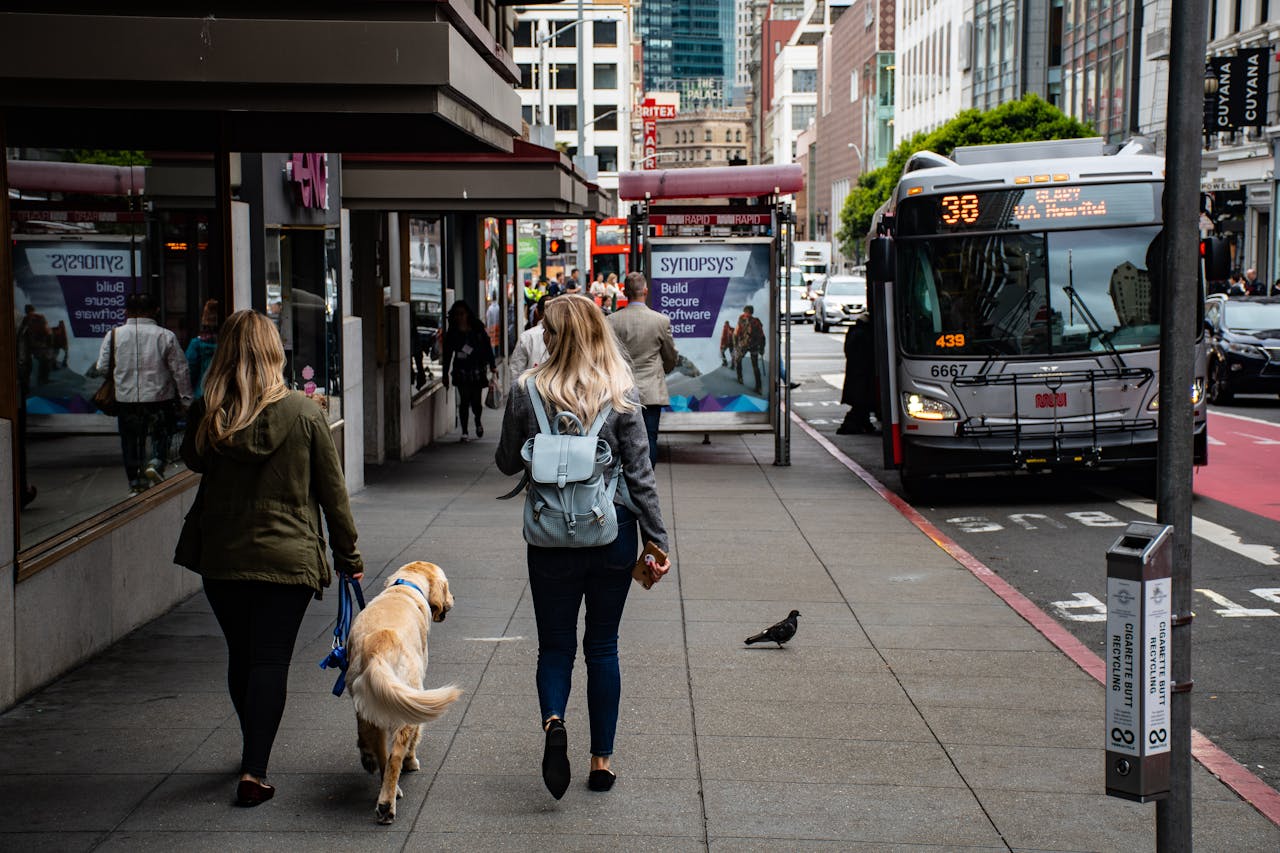
Sidewalks are the often-overlooked arteries of a neighborhood, quietly serving the daily rhythms of city dwellers, school children, joggers, and dog walkers. Despite their unassuming presence, sidewalks play a pivotal role in shaping how safe, accessible, and enjoyable a community feels. When these pedestrian pathways fall into disrepair, however, they become hazards—turning a casual stroll into a potential accident. Repairing sidewalks is about more than aesthetics or compliance with municipal codes; it's about safeguarding the well-being of every person who walks your street. In neighborhoods where infrastructure is aging or where tree roots and seasonal changes take a toll on walkways, proactive sidewalk repairs can lead to measurable improvements in pedestrian safety.
The Hidden Dangers of Damaged Sidewalks
Cracked, uneven, or sunken sidewalks may appear harmless at a glance, but they pose a real risk to public safety. One of the most common dangers is the tripping hazard created by displaced concrete slabs, which can catch the foot of an unsuspecting pedestrian and send them tumbling. For the elderly, people with mobility challenges, and young children, even a slight deviation in elevation can lead to falls that cause broken bones, concussions, or long-term disabilities. Water pooling due to poor grading can create slippery surfaces, especially during cold weather when puddles freeze into invisible ice patches. Spalling surfaces—where chunks of the top concrete layer break away—also contribute to instability and increase the likelihood of slips and trips.
The risk is not just to physical well-being. From a legal standpoint, property owners may be held liable for injuries sustained on sidewalks they are responsible for maintaining. Lawsuits and insurance claims can create a ripple effect of financial strain and reputational harm, especially in tight-knit residential communities. By repairing sidewalks, property owners help mitigate these risks, creating a safer and more predictable environment for foot traffic.
Improving Accessibility for All
Pedestrian safety is not a one-size-fits-all issue. For a sidewalk to be truly safe, it must also be accessible. Damaged or poorly maintained walkways can hinder or completely prevent access for individuals who use wheelchairs, walkers, or strollers. Uneven surfaces are particularly challenging for wheelchair users, who may find it impossible to navigate cracked or tilted slabs without risking a spill or being forced into the street—a space far more dangerous due to vehicle traffic.
Sidewalk repairs at sidewalk violation NYC can bring existing pathways in line with accessibility guidelines like the Americans with Disabilities Act (ADA), which requires sidewalks to meet specific standards regarding width, surface condition, and slope. Smooth transitions at curb ramps and the elimination of abrupt surface variations can be life-changing for community members with limited mobility. Making these adjustments sends a powerful message that the neighborhood values inclusion and safety for all its residents.
Restoring Community Confidence and Encouraging Walking
When sidewalks are well-maintained, people feel more confident using them. This translates to increased foot traffic, healthier lifestyle habits, and a stronger sense of community engagement. Parents feel more comfortable allowing their children to walk or ride bikes to school. Seniors are more likely to take daily walks for exercise, reducing isolation and improving well-being. Even something as simple as a casual neighborly interaction becomes more likely when people feel secure and supported in their walking environment.
On the other hand, sidewalks riddled with cracks, holes, or loose slabs tend to discourage foot traffic. Residents may opt to drive rather than walk short distances, leading to greater congestion, decreased physical activity, and an erosion of the communal spirit that thrives when people meet face to face on the sidewalk. By repairing walkways, communities make a subtle but profound investment in public life—fostering spaces where people feel safe to move, meet, and engage.
Protecting Children and School Routes
Children are particularly vulnerable to sidewalk hazards. Their smaller frames and higher energy levels often lead to running, skipping, or biking along sidewalks with little attention to irregular surfaces. This natural exuberance makes them more susceptible to trips and falls, especially when sidewalks are cracked or sloped. In neighborhoods where kids walk to school, deteriorating sidewalks represent a safety hazard that affects their daily routine and exposes them to injury.
Repairing sidewalks along school routes provides peace of mind to parents and guardians. It also encourages school administrators and municipalities to support initiatives like “safe routes to school,” which promote walking and biking as healthy alternatives to car rides or buses. A well-maintained pathway to education reflects a community’s commitment to nurturing both the physical and academic well-being of its youngest members.
Long-Term Benefits Beyond Safety
While the primary focus of sidewalk repairs is to ensure pedestrian safety, there are enduring benefits that go beyond immediate hazard removal. Well-maintained sidewalks contribute to higher property values by enhancing curb appeal and signaling a cared-for environment. They also support broader urban sustainability goals by encouraging walking over driving, reducing carbon emissions, and improving air quality.
Moreover, when repairs are done strategically with durable materials and proper design, they reduce long-term maintenance costs. Addressing issues early—before they evolve into more severe damage—saves communities from emergency overhauls that disrupt daily life and strain public budgets. Preventive care is, in many ways, more cost-effective and impactful than reactive fixes.
Conclusion
Sidewalk repairs might seem like a minor concern amid the many responsibilities of property owners and municipalities, but their impact on pedestrian safety is anything but small. Every crack that is filled, every slab that is leveled, and every stretch that is resurfaced adds another layer of safety to a neighborhood’s foundation. Repairing sidewalks not only prevents accidents—it invites people to walk with confidence, to connect with one another, and to trust in the public spaces they share. For communities aiming to be inclusive, active, and resilient, sidewalk repair is not just maintenance—it’s an act of civic care. Whether you're a homeowner looking to resolve a DOT violation or a contractor seeking expert insight, Nycsidewalkviolations.com is your one-stop solution for sidewalk compliance in New York City.