

















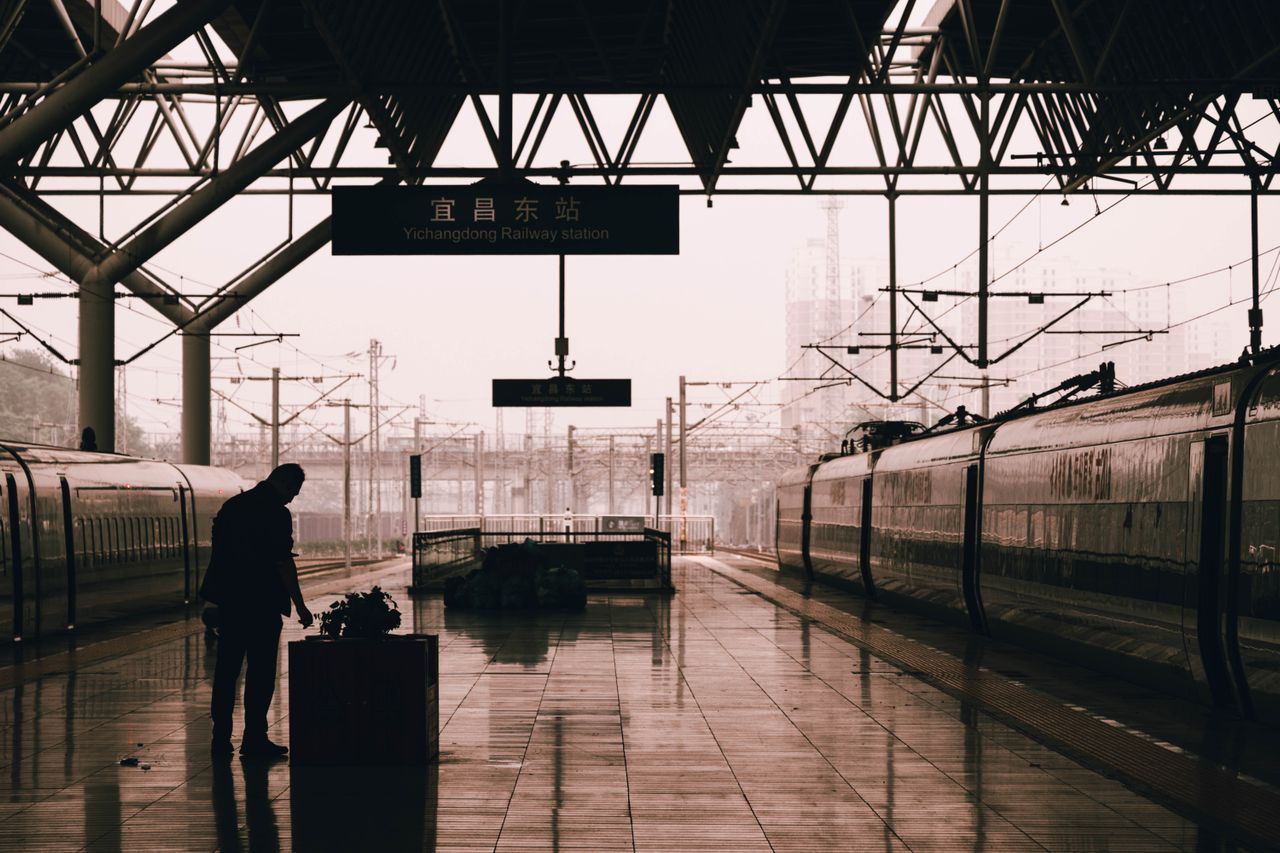
China’s rail network makes it possible to connect historic capitals, modern skylines and food-focused stops in one well-paced trip. High-speed services cover many popular routes, while conventional trains reach smaller cities and offer overnight options. The key is to build an itinerary that respects China’s size, ticket rules, and busy travel periods.
Before booking anything, check the Chinese visa requirements for international visitors. Entry conditions depend on your nationality and itinerary, so confirm the details through an official embassy or consular source.
Build a route that flows naturally
Start with a short list of places that genuinely interest you, then plot them on a map. China is vast, and a route that looks reasonable on paper can involve hours of backtracking. A linear plan usually works best. For example, Beijing to Xi’an to Chengdu creates a logical path southwest, while Shanghai to Hangzhou to Huangshan keeps travel concentrated in eastern China.
For a first trip of 10 to 14 days, three or four cities will usually feel comfortable. Try this basic rhythm:
- Allow three or four nights for major cities such as Beijing or Shanghai
- Set aside two or three nights for regional centers such as Xi’an
- Add a smaller city only when it sits conveniently along the route
- Leave one flexible half-day after your longest train ride
Use guides to high-speed train travel in China when comparing routes, schedules and typical travel times. A two-hour train can be an easy transfer day, while a seven-hour ride may take up most of your usable daylight.
Choose trains by time, not distance
Distance alone won’t tell you how easy a rail connection is. Two cities hundreds of miles apart may have a direct high-speed service, while neighboring destinations could require a transfer. Search each segment individually and note the departure station, arrival station, train category and total duration.
China’s fastest services are usually identified by a G train number. D services are also quick, though speeds and onboard layouts vary. Conventional trains can take much longer, but overnight sleepers may save a hotel night on selected routes.
Pay close attention to station names. Large cities often have several stations located far from one another. Beijing South and Beijing West, for example, serve different routes. A connection that requires crossing the city can quickly become stressful, especially during rush hour.
For a relaxed itinerary, aim for direct services departing between midmorning and early afternoon. You’ll avoid the earliest hotel checkout scramble and still arrive with time to find dinner near your accommodation.
Book tickets with busy dates in mind
Rail tickets are often only available shortly before departure, so your preferred train may not be bookable when you first arrange flights and hotels. Keep a list of ideal services plus one or two backups for each travel day.
Demand rises sharply around national holidays, school breaks and weekends. China’s Spring Festival travel period and the National Day holiday in early October can bring packed stations and limited availability. If your dates overlap with a major holiday, reduce the number of city changes and avoid tight connections.
Travelers can use the official 12306 railway ticketing platform to review services and purchase eligible tickets. Make sure the passenger name and passport number match the document you’ll carry. Your passport is generally used for identity checks when entering the station and boarding.
Once booked, save the train number, station name, departure time and carriage details offline. Screenshots are helpful when mobile data is unreliable, but keep the original booking information accessible too.
Plan each station transfer carefully
Chinese railway stations can feel closer to airports than small neighborhood stations. Security screening, identity checks and long walks to the platform all take time. Arriving 45 to 60 minutes before departure is a sensible target in a major city. During holidays, allow even longer.
Check your route to the station the night before. A hotel advertised as “near the railway station” may refer to a different terminal or still require a lengthy subway ride. Ask the front desk to write the station name in Chinese, including the directional part such as South, East or West.
Pack so you can move through stations without struggling. One rolling suitcase and a small day bag are much easier to handle than several loose bags, especially on escalators and crowded platforms. Keep your passport, phone and booking details in a secure but accessible pocket.
On arrival, don’t schedule a food tour or timed attraction immediately. Allow at least 90 minutes to leave the station, reach your hotel and settle in before the next reservation.
Balance sightseeing with food and rest
A good multi-city itinerary leaves space for unplanned meals. China’s regional cuisines vary dramatically from one stop to the next, making the route part of the dining experience. Beijing offers wheat-based dishes and roast specialties, Chengdu brings bold Sichuan flavors and Shanghai is known for delicate dumplings and sweeter seasonings.
Laundry also deserves a place in the schedule. On a two-week trip, book a hotel with laundry facilities near the halfway point, or plan a two-night stay where you can clean clothes nearby. Carrying less makes every train transfer easier.
Your final night should ideally be in the city where your international flight departs. That small buffer protects the trip from weather delays, schedule changes and the stress of a same-day long-distance rail connection. It also leaves room for one last local breakfast before heading to the airport.