

















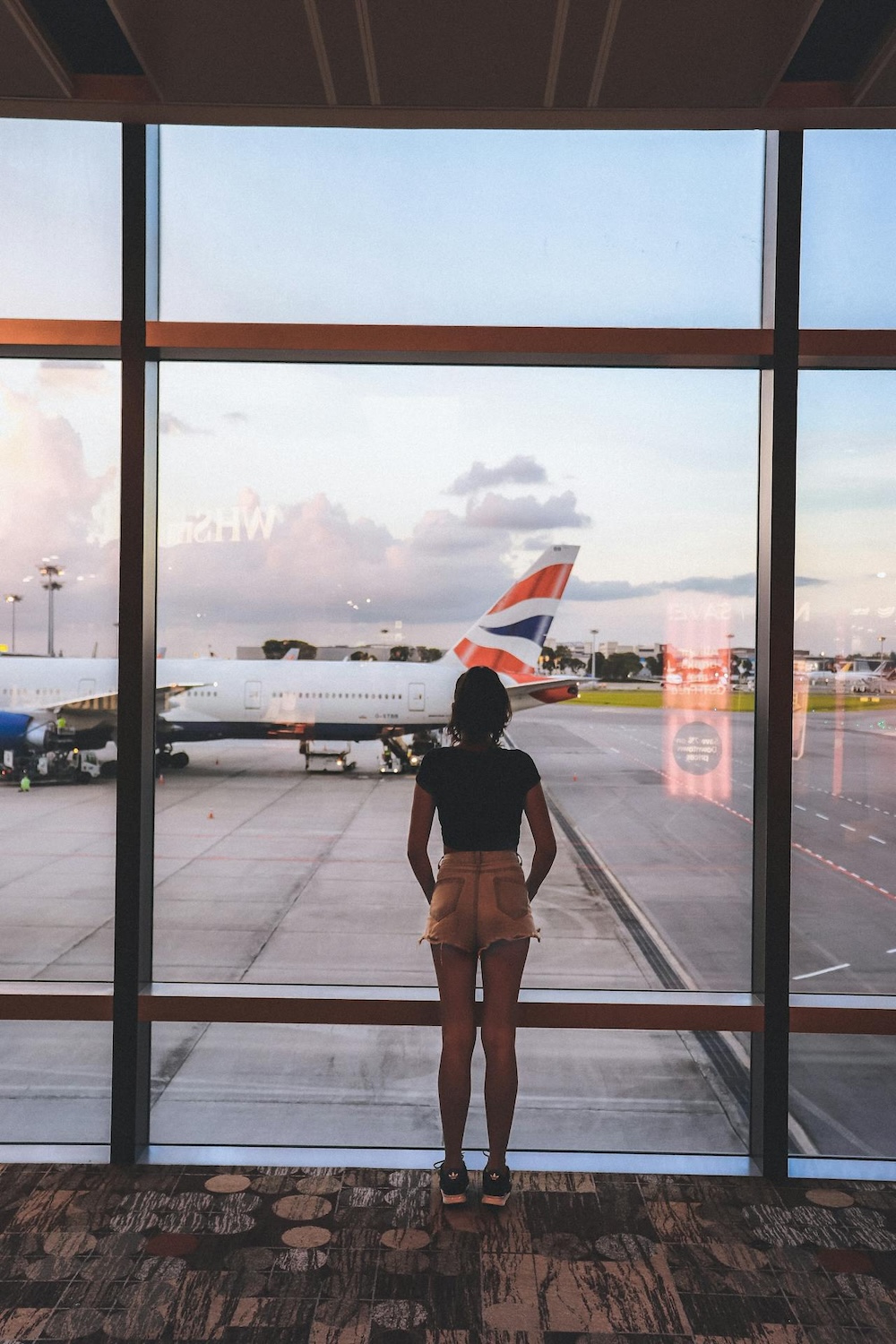
Travelling is supposed to be exciting - new places, new food, and new experiences. But for many people, the reality comes with anxiety: airport delays, long flights, language barriers, and unfamiliar routines. As psychologists at PsychiCare, we often hear clients say, “I love travelling, but the stress takes away from the joy.” The good news? With the right strategies, you can enjoy your trips without feeling overwhelmed.
Travel has a special kind of magic. The thrill of stepping into a new city, tasting unfamiliar food, and exploring hidden streets can make us feel alive. But let’s be honest - travel isn’t always glamorous. Behind the Instagram-worthy photos, many people battle with anxiety: sleepless nights before a flight, panic at airports, or irritability during long layovers.
At PsychiCare, where we support thousands of clients worldwide through online therapy, we see this pattern all the time. Travelling brings joy, but it can also trigger stress and anxiety. The good news? You don’t have to choose between seeing the world and protecting your peace of mind. With the right strategies, you can enjoy your journeys without letting stress take over.
- Understanding the Psychology of Travel Stress
Travel stress isn’t just “in your head.” It’s a real response your body creates when routines are disrupted.
- Loss of control: Different languages, currencies, and rules make people feel helpless.
- Uncertainty: Will the hotel look like the photos? Will the taxi driver overcharge me? Uncertainty fuels worry.
- Physical strain: Jet lag, dehydration, and uncomfortable seating all wear down your mental resilience.
Our psychologists at PsychiCare explain it like this: “Your brain loves familiarity. Travel takes that away, so the brain responds with hyper-alertness. The trick is not to eliminate this response but to manage it.”
- Prepare in Advance But Stay Flexible
Preparation is one of the best antidotes to uncertainty.
- Book flights and accommodations early.
- Save digital copies of passports, tickets, and insurance.
- Research local food options especially helpful if you have dietary needs.
- Learn a few local phrases.
But here’s the key: don’t confuse preparation with perfection. Flights get delayed, restaurants close early, luggage gets lost. Our PsychiCare experts recommend a mental shift: say to yourself, “This is an adventure, not a problem.” Flexibility makes the difference between frustration and fun.
- Food Choices That Support Your Mood
What you eat while travelling can either calm your system or fuel your stress.
- Eat protein-rich meals: Eggs, nuts, or fish keep energy stable.
- Avoid too much caffeine: It sharpens jet lag and increases jitters.
- Hydrate often: Dehydration worsens fatigue and irritability.
- Carry healthy snacks: Fruits, seeds, or granola bars save you from “hanger” meltdowns.
At PsychiCare, we often explain the gut-brain connection. Around 90% of serotonin, the feel-good hormone, is produced in your gut. Balanced meals mean a balanced mind.
- Build Your Personal “Calm Kit”
When you’re out of your comfort zone, it helps to carry a few familiar tools. Create a mini “calm kit” for your travels:
- Noise-cancelling headphones for crowded spaces
- A meditation or breathing app on your phone
- A small notebook to jot down thoughts
- Chamomile or green tea sachets
- A favourite book or playlist
We’ve seen clients at PsychiCare who once dreaded flights but now manage smoothly by using these calming rituals. Sometimes it’s the smallest things like sipping warm tea before boarding that shift your mental state.
5. Mindfulness on the Move
Travel can feel rushed: catching buses, scanning maps, moving from one landmark to another. But when you slow down, you truly experience the journey.
Mindfulness is about noticing details you’d normally miss:
- The scent of spices in a local market
- The rhythm of waves at a beach
- The colours of a city square at sunset
Even five minutes of mindful breathing can reset your nervous system. Our therapists at PsychiCare often teach mindfulness techniques to clients who travel for work, helping them reduce anxiety and enjoy the present moment instead of rushing through it.
And if you’re travelling as a couple, mindfulness takes on another role, it helps you connect with each other. Instead of arguing over directions or rushing through itineraries, slowing down allows partners to share experiences with patience and appreciation. We’ve seen in couples therapy how mindful travel strengthens communication, reduces conflict, and brings back the sense of teamwork in a relationship.
- The Power of Routines While Abroad
One hidden cause of travel stress is the sudden loss of daily structure. You’re not sleeping at the same time, eating the same breakfast, or following the same rituals. The brain craves rhythm.
Try to keep small routines intact:
- Wake up at a similar hour
- Stretch or exercise briefly in the morning
- Write a short gratitude list before bed
- Keep regular meal times
This consistency acts as an anchor. Our PsychiCare specialists call them “mental bookmarks” - familiar behaviours that reassure the brain even when the environment is unfamiliar.
- Social Anxiety While Travelling
For some, the hardest part isn’t airports or schedules, it’s the people. Ordering in another language, dining alone, or asking for directions can feel intimidating.
Here are small steps to ease the tension:
- Rehearse simple phrases before you go out.
- Choose quieter cafés or restaurants for meals.
- Carry a small notebook to write things down if words fail.
- Remind yourself: locals are usually more forgiving than you think.
At PsychiCare, we support many clients with social anxiety who worry about embarrassment while travelling. With therapy, they learn that discomfort doesn’t mean danger and that every small interaction is a chance to build confidence.
- When Stress Becomes More Than Just Nerves
It’s normal to feel uneasy before a big trip. But there are signs that travel stress is tipping into anxiety:
- Panic attacks before flying
- Avoiding travel altogether
- Racing thoughts at night before trips
- Physical symptoms like nausea, sweating, or trembling
If these feel familiar, it’s not about being “bad at travelling.” It’s a signal your body and mind need support. That’s where therapy helps.
- How PsychiCare Helps Travellers Around the World
At PsychiCare, we work with individuals, couples, and families who travel often - whether for work, relocation, or leisure. Our online therapy model makes it easy to connect with a licensed psychologist no matter where you are.
Many of our clients come back to us after trips, saying, “I finally travelled without that heavy cloud of anxiety.” That transformation is why we do what we do.
Conclusion
Travel is more than planes and hotels - it’s about growth, discovery, and joy. Stress doesn’t have to steal that from you. By planning ahead, eating mindfully, building calming routines, and practising mindfulness, you can make each trip more enjoyable.
And when anxiety feels too heavy to manage alone, remember that help is just a click away. At PsychiCare, we’ve supported thousands of clients worldwide in overcoming travel stress, social anxiety, and life challenges through online therapy. With compassionate guidance and proven strategies, we help you reclaim the joy of the journey.
Your next trip doesn’t have to be stressful. With the right mindset and the right support, it can be the adventure you’ve been waiting for.