

















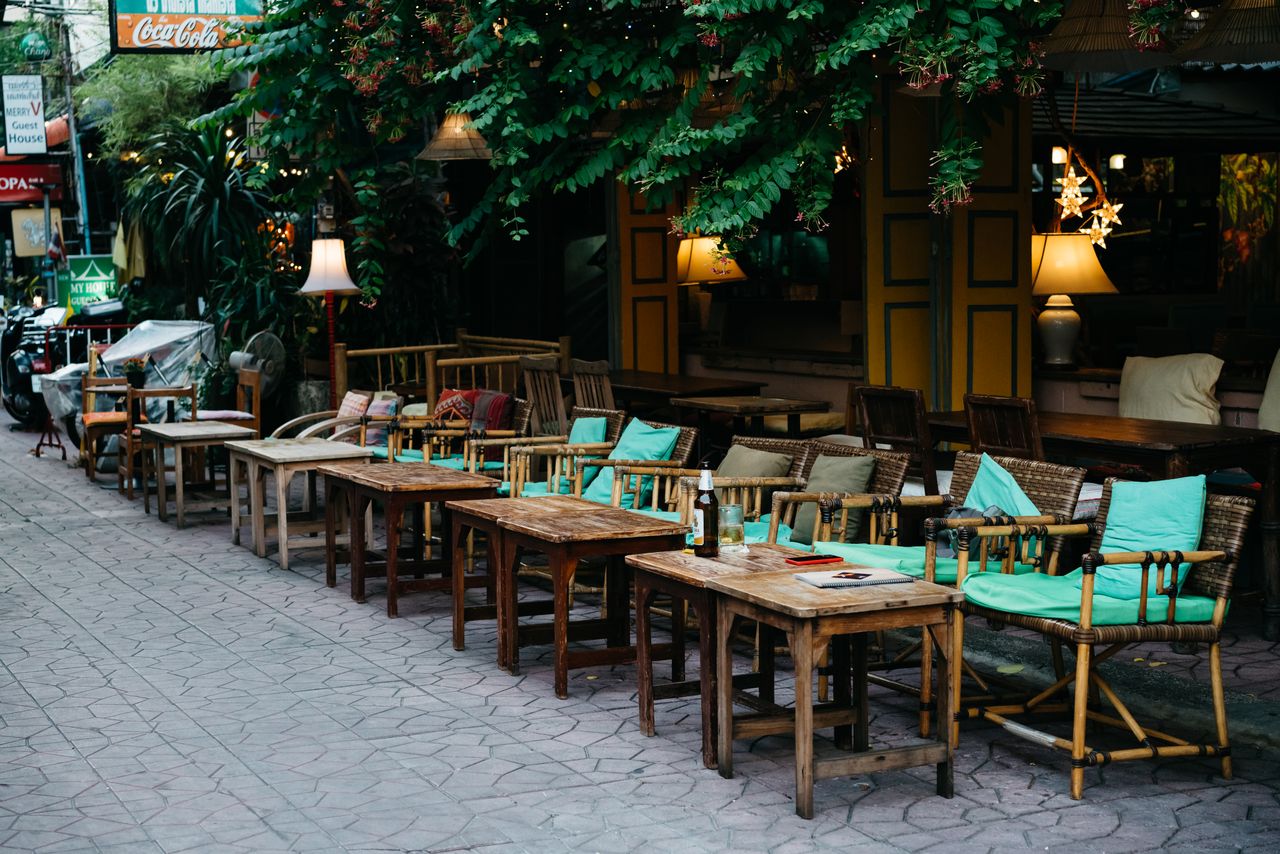
Bangkok has long been celebrated as a sensory overload in the best possible way. The Thai capital offers an intoxicating mix of soaring skyscrapers, bustling markets, and a chaotic energy that draws millions of visitors each year. However, as the city continues to expand, both locals and international travellers are increasingly seeking out tranquil spaces where they can step away from the relentless urban pace. This growing desire for relaxation has sparked a noticeable shift in the local hospitality scene. It is particularly evident with the rise of tropical, open-air dining venues that successfully blend high-quality gastronomy with nature-integrated design. As urban density increases, these green sanctuaries offer a much-needed breath of fresh air.
A Booming Destination for Food Lovers
Thailand's reputation as a premium food destination is currently experiencing an unprecedented surge. The Tourism Authority of Thailand has actively shifted its tourism strategy towards attracting higher-value travel experiences, with gastronomy playing a central role in that vision. Industry research indicates that culinary tourism continues to grow strongly, transforming the country's food scene into one of the main reasons travellers choose to visit Thailand.
This growth is further supported by government initiatives that promote distinctive dining experiences to encourage longer visitor stays and deeper engagement with local culture. In addition, the latest edition of the Michelin Guide for Thailand continues to showcase a broad selection of outstanding restaurants, further strengthening the country's reputation as a world-class culinary destination. Diners are no longer satisfied with just a quick meal on the go. They are looking for immersive environments that offer comfort, excellent service, and a memorable atmosphere that complements the rich flavours of their food.
Balancing Chaos with Comfort in Sukhumvit
Nowhere is this evolution more apparent than in the Sukhumvit district. Known for its incredible density of commercial spaces, luxury hotels, and vibrant nightlife, Sukhumvit is the beating heart of modern Bangkok. For food-motivated travellers, the sheer variety of options can be overwhelming. As noted in a recent guide on navigating Sukhumvit's diverse culinary landscape, the secret to enjoying this district is finding the perfect balance between chaotic, authentic street food encounters and comfortable, refined dining environments. Food enthusiasts often spend their mornings exploring local food stalls, but as the heat of the day peaks, the demand for a more relaxed setting skyrockets.
After a long morning of navigating crowded pavements and sweltering heat, the appeal of a leafy, well-ventilated retreat becomes undeniable. Choosing to dine at a lush, open-air Sukhumvit restaurant allows visitors to recharge in a setting that feels miles away from the concrete jungle. Venues that adopt a Balinese-inspired or tropical aesthetic, complete with expansive outdoor seating and welcoming pet-friendly policies, are becoming the go-to choice. Diners want to enjoy globally inspired comfort food without the background noise of blaring traffic, and these green havens provide exactly that kind of restorative environment.
The Psychological Appeal of Biophilic Design
The rapid adoption of tropical al fresco dining in Bangkok is not just a stylistic trend. It is a direct response to the city's geographical and architectural realities. As one of the region's most densely developed urban centres, Bangkok has limited access to green public spaces. In response, hospitality venues are increasingly incorporating natural elements into their architecture to create peaceful, nature-inspired environments within the city.
This practice is known as biophilic design, and it involves integrating plants, natural light, and organic textures into commercial spaces. Recent academic studies focusing on the hospitality sector demonstrate that this design approach significantly increases the perceived emotional restorativeness of a venue. When diners are surrounded by lush vegetation and natural airflow, they tend to stay longer and report much higher levels of satisfaction.
The benefits of these nature-integrated dining spaces extend across multiple areas of the consumer experience:
- Enhanced wellbeing: Surrounded by greenery, diners experience lower stress levels and a greater sense of calm, making their meal far more enjoyable.
- Improved air quality: Al fresco seating and natural ventilation provide a constant flow of fresh air, a feature that has remained highly sought after in post-pandemic dining.
- Aesthetic appeal: Organic textures and tropical landscaping create highly photogenic environments, increasing the likelihood of visitors sharing their experiences on social media.
- Flexible atmospheres: Open-air layouts allow a seamless transition from relaxed daytime brunches to vibrant, atmospheric evening dining under the stars.
The Future of Urban Dining
As Bangkok continues to cement its status as a global culinary powerhouse, the landscape of its dining scene will undoubtedly keep evolving. The success of tropical, open-air venues proves that modern diners want more than just exceptional food. They crave an environment that offers a genuine reprieve from the demanding pace of city life, blending exquisite culinary techniques with natural tranquility.
By blending the natural beauty of tropical landscaping with world-class hospitality, these al fresco spaces are redefining what it means to dine out in the Thai capital. For travellers planning their next culinary adventure, scheduling a moment of calm in a green, breezy oasis might just be the most rewarding part of the itinerary.