

















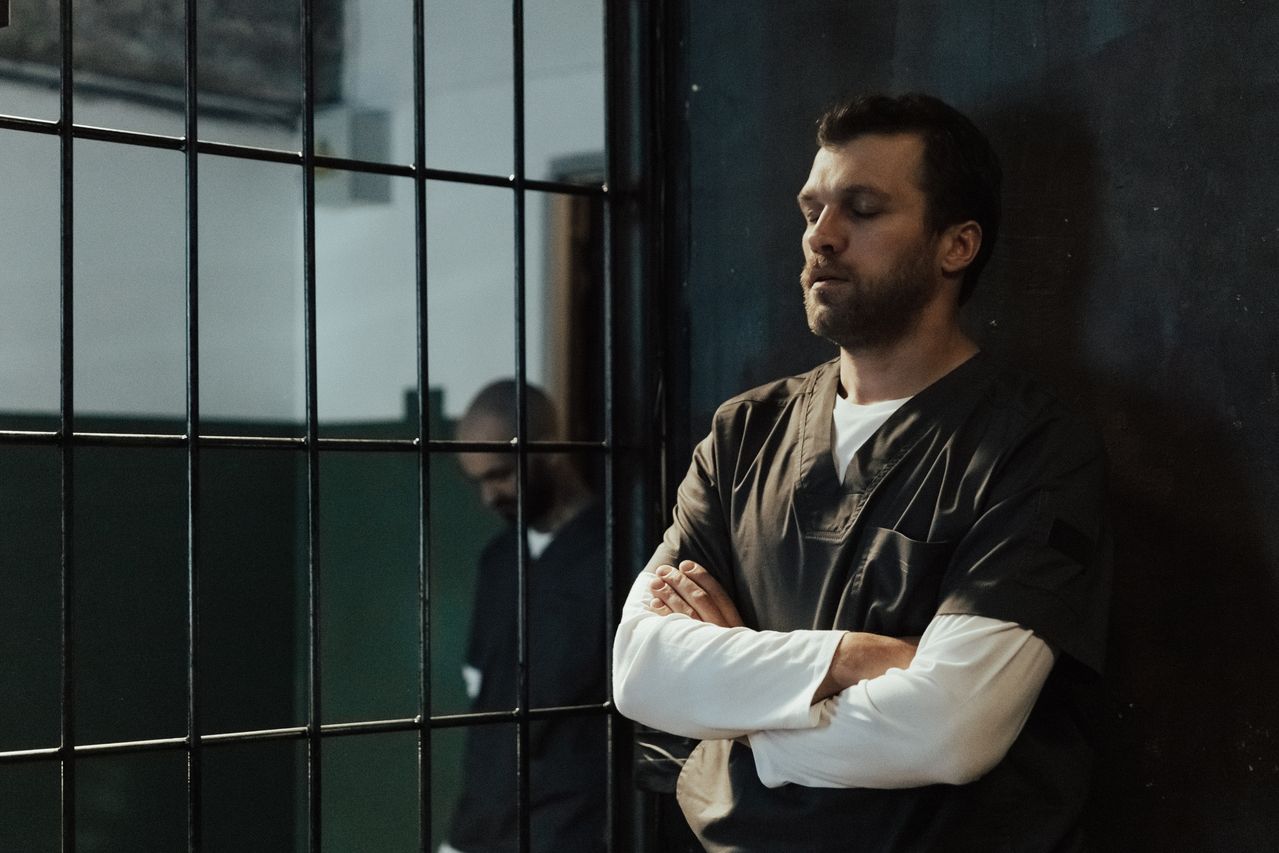
Parole allows someone to live in the community while serving part of a sentence under supervision, but that freedom comes with conditions that are often much stricter than the rules governing everyday life. Missing a requirement that may seem relatively minor can sometimes lead to serious legal consequences.
Many people assume only a new criminal offense can place parole at risk. In reality, failing to comply with supervision rules may also result in enforcement action, even when no new conviction has occurred. Understanding those expectations is an important part of remaining in compliance.
An alleged parole violation can place continued freedom in jeopardy, making it essential to understand both the supervision requirements and the legal process that may follow.
Common Conditions People Are Accused of Breaking
Every parole agreement is different, but many include similar conditions designed to monitor compliance and reduce the risk of future offenses. Regular meetings with a parole officer, maintaining approved employment, observing curfews, and remaining within designated travel areas are common requirements.
Other conditions may include drug or alcohol testing, participation in counseling or treatment programs, restrictions on firearm possession, or avoiding contact with certain individuals.
Because parole terms are individualized, people should never assume someone else's conditions apply to their own supervision. Carefully reviewing every requirement helps reduce the risk of an accidental violation.
Technical Violations and New Criminal Allegations
Not every parole violation involves a new crime. Technical violations occur when someone allegedly fails to follow a supervision rule, such as missing an appointment, violating a curfew, or failing a required drug test.
New criminal allegations create a separate issue because they may involve both a new prosecution and parole enforcement proceedings. Even if the new criminal case has not yet resulted in a conviction, parole authorities may still take action.
Understanding the distinction between technical violations and new criminal conduct helps explain why enforcement may occur under different legal standards than an ordinary criminal trial.
What Happens After a Suspected Violation
When a parole officer believes a violation has occurred, the individual may be arrested or ordered to appear for further proceedings. Depending on the circumstances, the person may remain in custody while the matter is reviewed.
A parole hearing generally follows, allowing the supervising authority to consider the alleged violation and any available evidence. Unlike a criminal trial, these hearings often follow different procedures and legal standards.
The individual usually has an opportunity to respond to the allegations, explain the circumstances, and present information that may influence the final decision.
Potential Outcomes at the Hearing
A parole hearing does not always result in the same outcome. The supervising authority may determine that no violation occurred or conclude that a warning is appropriate under the circumstances.
Other possible outcomes include modifying supervision conditions, requiring additional treatment or counseling, extending supervision, or ordering the individual to return to custody for part or all of the remaining sentence.
The final decision often depends on factors such as the seriousness of the alleged violation, prior compliance, criminal history, and the individual's overall performance while on parole.
Conclusion
Parole provides an opportunity to remain in the community, but that opportunity depends on consistently following every condition of supervision. Even conduct that appears relatively minor can lead to significant consequences when it violates the terms of release.
Responding quickly to allegations and understanding the legal process may help individuals protect their rights while addressing concerns raised by supervising authorities.
No alleged parole violation should be treated casually. Careful compliance with every condition and prompt attention to potential problems can make an important difference in preserving continued freedom.