






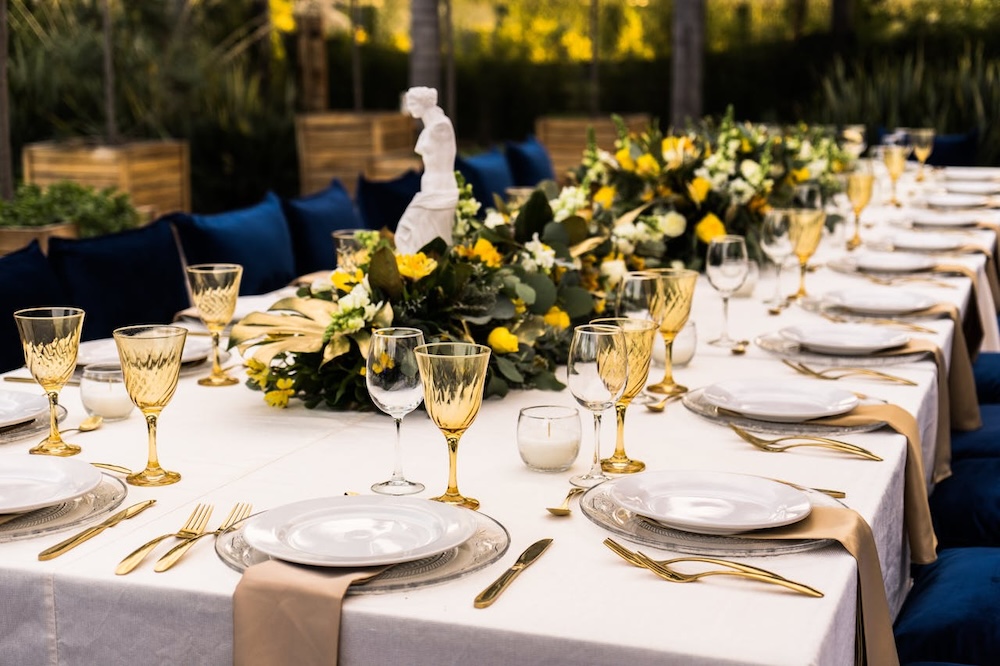
In the hyper-competitive world of hospitality, great food is no longer enough. While a delicious meal might get a customer through the door, it is the experience that keeps them coming back. From the lighting and music to the texture of the napkins, every detail tells a story. This is the essence of restaurant branding it is not just a logo on a sign; it is a holistic atmosphere that surrounds the diner from the moment they are seated.
For restaurateurs, the challenge lies in differentiation. In a city bustling with culinary options, how does one establishment stand out from another that serves a similar cuisine? The answer often lies in the "micro-moments" of the dining experience. These are the small, tangible interactions a customer has with the brand the weight of the menu, the design of the cutlery, and increasingly, the presentation of table essentials like water.
This article explores the psychology of dining aesthetics and why savvy restaurant owners are moving away from generic supplies in favor of customized touchpoints, with a special focus on the rising trend of customized water bottles as a premium branding tool.
The Psychology of Dining: We Eat With Our Eyes
It is a well-documented fact in food psychology that perception influences taste. A study by the University of Oxford demonstrated that heavy cutlery makes food taste better and "more expensive" than lightweight alternatives. Similarly, the visual environment primes the palate. If a restaurant looks premium, the diner expects the food to taste premium.
This concept extends to branding. When a customer sees a generic, supermarket-branded ketchup bottle or a standard plastic water bottle on the table, it breaks the immersion. It signals that the restaurant is sourcing its supplies from the same place the customer does. However, when those items are branded with the restaurant’s own logo and color palette, it signals exclusivity, care, and attention to detail. It tells the customer, "We crafted this experience specifically for you."
The Table Setting: Your Prime Real Estate
The dining table is the most valuable real estate in a restaurant. It is where the customer spends 90% of their time. Yet, many restaurant owners clutter this space with third-party advertising.
Consider the standard mineral water bottle found in most eateries. It typically carries a bright blue or green label with the water company’s logo screaming for attention. Why would a high-end steakhouse or a boutique café allow a beverage corporation to advertise on their table for free?
This clashing aesthetic disrupts the restaurant’s carefully curated interior design. A rustic Italian bistro with warm, earthy tones does not want a neon-blue plastic bottle ruining the visual harmony. This is where the shift towards private labeling comes in. By reclaiming the table space with custom-branded items, restaurateurs ensure that the brand narrative remains uninterrupted.
The Rise of Customized Water Bottles in Hospitality
One of the most effective, yet underutilized, branding tools today is the customized water bottle.
In markets like the Middle East and South Asia (specifically food hubs like Lahore and Karachi), the trend is shifting rapidly. High-end marriage halls, corporate event spaces, and fine-dining restaurants are abandoning generic water brands in favor of private-label solutions.
Here is why this strategy works effectively for elevating the dining experience:
- Trust and Hygiene
In many regions, tap water is not an option, and diners rely entirely on bottled mineral water. However, the presentation of this water matters. An open jug can sometimes raise hygiene concerns—"When was this filled? Is it filtered?"
A sealed, branded bottle offers the best of both worlds: the safety assurance of a factory-sealed product and the elegance of a custom design. It reassures the customer that the establishment takes hygiene seriously enough to have its own line of water.
- The "Premium" Factor
There is an inherent "VIP" feeling associated with private labeling. It implies scale and success. When a guest sits down at a wedding or a corporate dinner and sees a water bottle matching the event’s theme or the restaurant’s logo, the perceived value of the event rises. It suggests that the host spared no expense.
- For restaurants in competitive markets, sourcing customized water bottles allows them to offer a product that feels bespoke. Instead of charging for a generic commodity, they are selling a part of their brand experience.
- Social Media Shareability (Instagrammability)
We live in the age of "camera eats first." Diners love to photograph their meals, and the table setting is the backdrop for these photos. A generic water bottle is usually pushed out of the frame because it looks cheap. A beautifully designed, minimalist custom bottle, however, often stays in the shot.
If the bottle has the restaurant’s Instagram handle or a witty slogan printed on it, it becomes a marketing asset. Every time a customer posts a story of their table spread, that branded bottle acts as a mini-billboard broadcasting the restaurant’s name to hundreds of followers.
Consistency Across All Touchpoints
Branding via tableware is not limited to water bottles. It is about creating a cohesive ecosystem. The most successful hospitality brands synchronize their custom elements:
- The Menu: High-quality paper, leather binding, or QR codes that lead to a well-designed digital interface.
- The Coasters: Instead of a beverage company’s logo, the coaster should feature the restaurant's logo or a QR code for feedback.
- The Napkins: Cloth napkins suggest luxury; custom-printed high-quality paper napkins suggest fun and casual branding.
When these elements work together, they build "Brand Recall." The goal is that days after the meal, the customer remembers the feeling of the place. Generic items are forgettable; custom items are memorable.
The Business Case: Is It Worth the Cost?
A common objection from restaurant owners is cost. "Why should I pay for custom printing when I can buy generic water in bulk?"
This is a short-sighted view. While the unit cost of a customized bottle might be marginally higher than a wholesale generic bottle, the Return on Investment (ROI) comes from two areas:
- Pricing Power: Customers are willing to pay more for a "house brand" premium water than a standard bottle they know costs 50 rupees at a corner store. The custom bottle removes the direct price comparison, allowing the restaurant to maintain healthy margins without customers feeling overcharged.
- Marketing Value: If a restaurant spends thousands on Facebook ads, why pinch pennies on the physical item the customer holds in their hand for an hour? The cost of the label is essentially a marketing expense that delivers an impression directly to the target audience.
Choosing the Right Partner
For restaurant owners interested in making this switch, quality control is paramount. Since the product is water, it must meet all local health and safety regulations.
When selecting a supplier for customized water bottles, look for:
- Certified Quality: Ensure the water source is tested and licensed.
- Label Quality: The label should be waterproof and high-resolution. Nothing looks worse than a peeling, soggy label.
- Design Flexibility: Can the supplier match your exact brand colors? Do they offer different bottle shapes or cap colors?
Conclusion:
The era of generic hospitality is fading. Today’s diner craves connection and authenticity. They want to know who you are and what you stand for.
Every item on your table is a silent ambassador for your business. It either adds to your story or subtracts from it. By investing in custom branding—whether through bespoke crockery, personalized linens, or branded mineral water you are sending a powerful message: We care about the details.
In the end, food fills the stomach, but the brand experience fills the soul. Make sure your table is telling the right story.