

















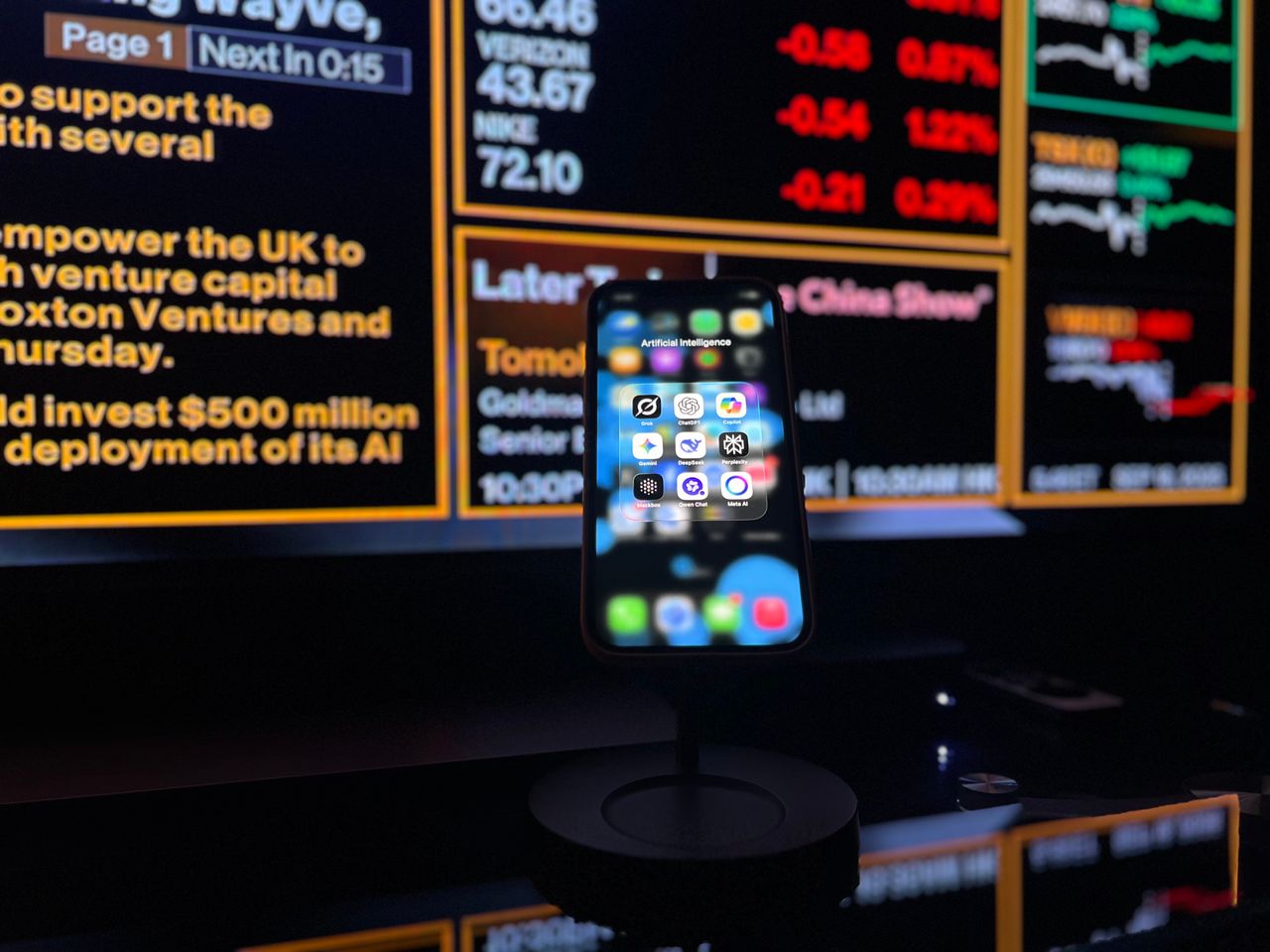
Mobile apps are no longer just a convenient extra. For most businesses they are the main way customers shop, bank, learn, book services and get support. User expectations also change faster than ever. People now want apps that anticipate their needs, do many things in one place and protect their data without being asked.
Whether you are a startup founder, a product manager or a developer planning your next career move, knowing where the industry is heading helps you make better decisions. Here are the three trends shaping mobile app development in 2026-27, and what each means in practice.
1. AI-Powered Features Are Becoming the Default
Artificial intelligence has moved from a "nice to have" to a core part of app design. Users now expect apps to learn from their behavior and respond intelligently, instead of simply displaying static screens.
Where AI is showing up in apps:
- Personalized experiences: Content, product recommendations and dashboards that adapt to each user's habits.
- Conversational interfaces: AI assistants and chatbots that handle support, onboarding and search in natural language.
- Predictive features: Reminders, spending insights and demand forecasts that act before the user asks.
- Smarter automation: Document scanning, voice input, image recognition and automated form-filling that cut friction.
- On-device AI: Models that run directly on the phone, which improves speed and keeps sensitive data local.
What it means for businesses: Adding AI for its own sake rarely works. The strongest apps start with a real user problem, such as slow support, confusing navigation or low engagement, and then apply AI where it removes friction. Clean data and a clear success metric matter more than the latest model.
2. Super Apps Are Changing How Users Think About Mobile
A super app combines several services, such as messaging, payments, shopping, bookings and financial tools, inside a single platform. Instead of installing a dozen separate apps, users do everything in one place.
Super apps have been popular in parts of Asia for years, and the model is now spreading to other markets. Businesses are exploring it because it can:
- Increase daily engagement and user retention
- Create new revenue streams through partner services and mini-apps
- Give companies richer data (with user consent) to improve their offerings
- Build stronger brand loyalty through one connected ecosystem
The technical challenge: Super apps require a modular architecture, strong API management, secure payment integration and the ability to scale as new features are added. Planning the foundation early prevents expensive rebuilds later.
This is also why many companies now look for an experienced mobile app development company in Delhi NCR that can design scalable architectures and manage complex integrations from day one.
3. Privacy-First Design Is a Competitive Advantage
Users are more aware than ever of how their data is collected and used. At the same time, regulations around the world continue to tighten. In India, the Digital Personal Data Protection Act has raised the bar for how businesses handle personal information, and similar rules apply in many other markets.
Privacy-first design means building protection into the app from the beginning instead of adding it later.
Key practices include:
- Data minimization: Collect only what the app truly needs.
- Transparent consent: Clear, simple permission requests instead of buried legal text.
- Strong encryption: Protect data both in transit and at rest.
- Secure authentication: Biometrics, multi-factor authentication and passkeys.
- User control: Easy options to view, export or delete personal data.
- Regular security testing: Penetration tests and code reviews before and after launch.
Apps that handle sensitive information, especially in finance and healthcare, can no longer treat privacy as a checkbox. It directly affects user trust and retention.
What These Trends Mean for Fintech
Few industries are affected by all three trends as much as financial services. Fintech apps already rely on AI for fraud detection, credit scoring and personalized financial guidance. Many are evolving into super apps that combine payments, lending, investments and insurance. And because they handle money and identity data, privacy and compliance are non-negotiable.
If you are planning a payments platform, digital wallet, lending app or investment tool, working with a specialized fintech app development company helps you navigate regulatory requirements, secure integrations and user-experience challenges together, rather than solving them one at a time.
How to Prepare Your App Strategy for 2026-27
Here is a practical checklist to get started:
- Audit your current app. Identify where users drop off, and where AI or automation could help.
- Choose a scalable architecture. Even if you are not building a super app today, modular design keeps your options open.
- Make privacy part of your product roadmap. Include compliance and security reviews in every development sprint.
- Start small and measure. Launch one or two AI features, track the results and expand based on real data.
- Pick the right technology partner. Look for proven experience, transparent communication and post-launch support.
Final Thoughts
The mobile app landscape in 2026-27 will reward businesses that combine intelligence, convenience and trust. AI makes apps smarter, super apps make them more useful, and privacy-first design makes them safer to rely on. Companies that get all three right will stand out in a crowded market.
At PerfectionGeeks Technologies, we help startups and enterprises turn ideas into secure, scalable and user-friendly mobile applications, from AI-driven products to fintech platforms and multi-service ecosystems.