

















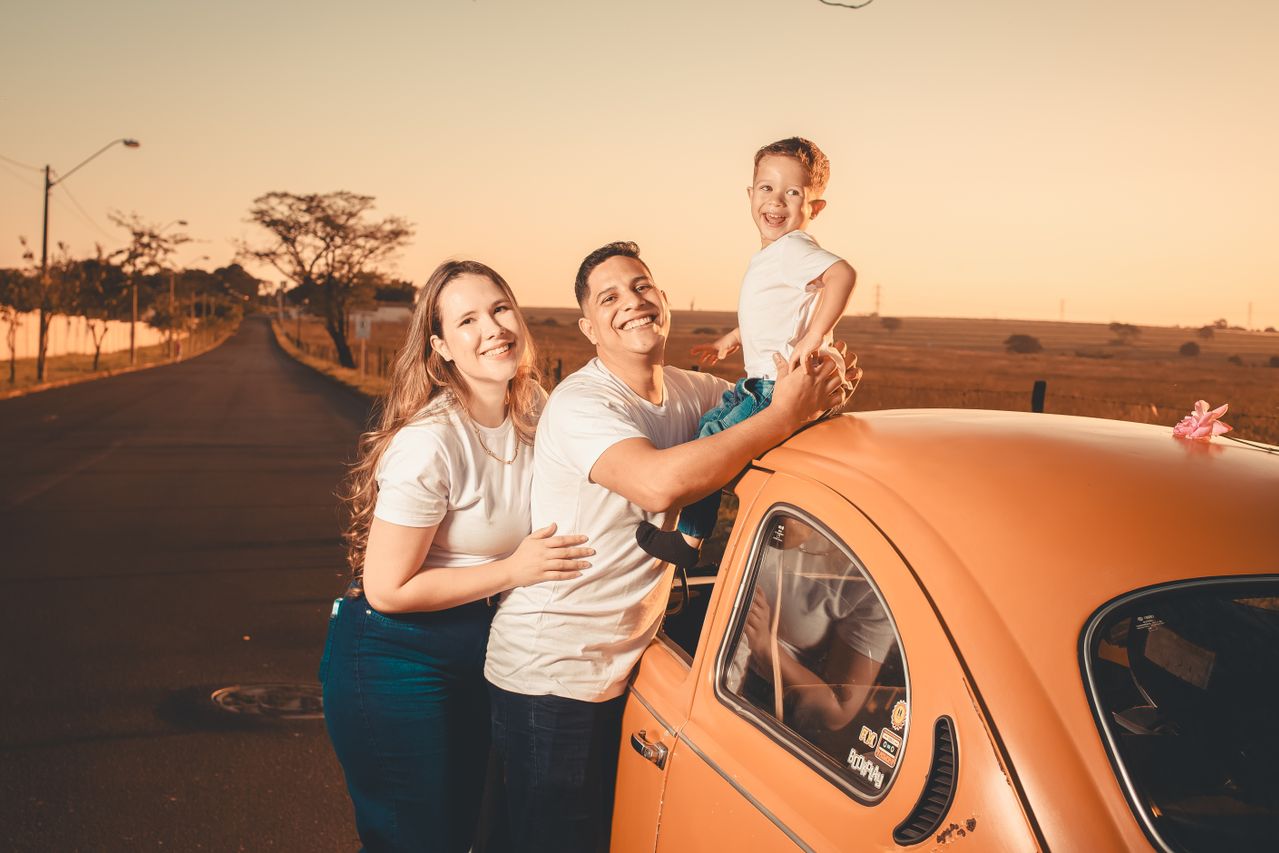
Ask any parent what they remember most about a family trip, and it's rarely the itinerary. It's the moment their kid pointed at a crab scuttling across the sand and asked a hundred questions in a row. Or the afternoon spent trying (and failing) to pronounce a menu item in a new language. Travel has a funny way of teaching kids things no worksheet ever could — and the best part is, it doesn't feel like learning at all.
Sightseeing and good food will always be the headline act of any vacation. But sprinkle in a few small, intentional moments of discovery, and suddenly the whole trip becomes something richer: a stretch of days where your child grows a little more curious, a little more confident, and picks up memories that actually stick.
And here's the good news — none of this requires turning your vacation into a classroom. Learning happens naturally, whether you're wandering a local market, hiking a new trail, wandering through a museum, or just talking over dinner about what you all saw that day.
Every Place You Visit Is Already a Classroom
You don't have to plan a single "educational activity" for a destination to teach your child something. It's already built in.
A day at the beach turns into an impromptu science lesson the moment your child starts asking why shells look the way they do, or what that tide pool creature actually is.
Wander through a historic town, and suddenly your child is hearing stories about people and events that happened long before they were born — the kind of stories that tend to stick far longer than anything read in a textbook.
Even something as simple as a walk through a neighborhood introduces kids to different architecture, traditions, languages, and ways of life.
Try encouraging your child to ask questions as you go, to really look at what's around them, and maybe even jot down a few things in a simple travel journal each day. You'll be surprised what they notice.
Make the Trip Something They Take Part In, Not Just Watch
Kids hold onto experiences far longer than they hold onto explanations. So instead of narrating a destination at them, pull them into it. A few ideas that tend to work well:
- Send them on a photo scavenger hunt
- Let them collect leaves, stones, or postcards along the way
- Teach them a handful of local words or phrases
- Try a traditional dish together, even if it's a little unfamiliar
- Have them sketch a landmark instead of just photographing it
These little activities keep kids engaged in the moment — and they tend to spark the kind of curiosity and creativity that lasts well beyond the trip itself.
Keeping the Fun Going on Long Drives and Flights
Anyone who's survived a six-hour car ride with a restless kid in the back seat knows how long travel time can feel. Screens are the easy fallback, but they're not the only option.
Pack a few printable puzzles, quizzes, word games, or storytelling prompts, and you'll often find they hold a child's attention just as well — while quietly building problem-solving and language skills along the way. Kids World Fun has a wide range of learning games built for exactly this kind of downtime, perfect for keeping young minds busy between destinations.
Let Reading Travel With You
One of the simplest ways to make a trip meaningful is to keep reading part of the routine, even away from home.
Whether you're winding down in a hotel room after a long day of sightseeing or having a quiet coffee-shop afternoon, reading together is a small tradition that goes a long way.
Short adventure stories, bedtime tales, and stories with a gentle moral don't just sharpen reading skills — they spark imagination and often lead to genuinely thoughtful conversations. Browsing a collection of short stories for kids before or during the trip can even get your child comparing the adventures in the book to the ones they're living in real time.
Let Your Kids Help Plan the Trip
Handing your child a bit of responsibility for the trip does more than lighten your load — it builds their confidence and gets them genuinely excited about where you're headed. Consider letting them:
- Pick one attraction the family will visit
- Help put together the packing checklist
- Look up a few fun facts about where you're going
- Plan a family picnic
- Track your route or progress on a map
When kids have a hand in shaping the trip, they stop feeling like passengers and start feeling like part of the crew.
Capture the Memories in Ways That Actually Last
Hundreds of photos are easy to take and easy to forget. Something your child makes with their own hands tends to stick around a lot longer. A few ideas worth trying:
- A travel scrapbook
- A postcard collection
- Quick daily sketches
- A "favorite moment" journal
- A family memory box
These small keepsakes have a way of becoming the things your family pulls out years later and smiles over.
Don't Forget to Leave Room to Just... Be
A packed schedule can feel productive, but kids need downtime too. Leave space for spontaneous discoveries — a playground you didn't plan on, a local park, or simply an afternoon with nothing on the agenda. More often than not, it's those unscheduled moments that end up being the ones everyone remembers best.
Final Thoughts
Few things teach a child as richly as travel does. Every new place brings its own mix of cultures, food, traditions, and perspectives — the raw material for raising a curious, confident kid.
Blend in a few of these small educational moments, and a family vacation becomes something more than a break from routine. It becomes a trip that entertains, teaches, and stays with your child long after you've unpacked the suitcases — shaping not just what they know, but how they see the world around them.