

















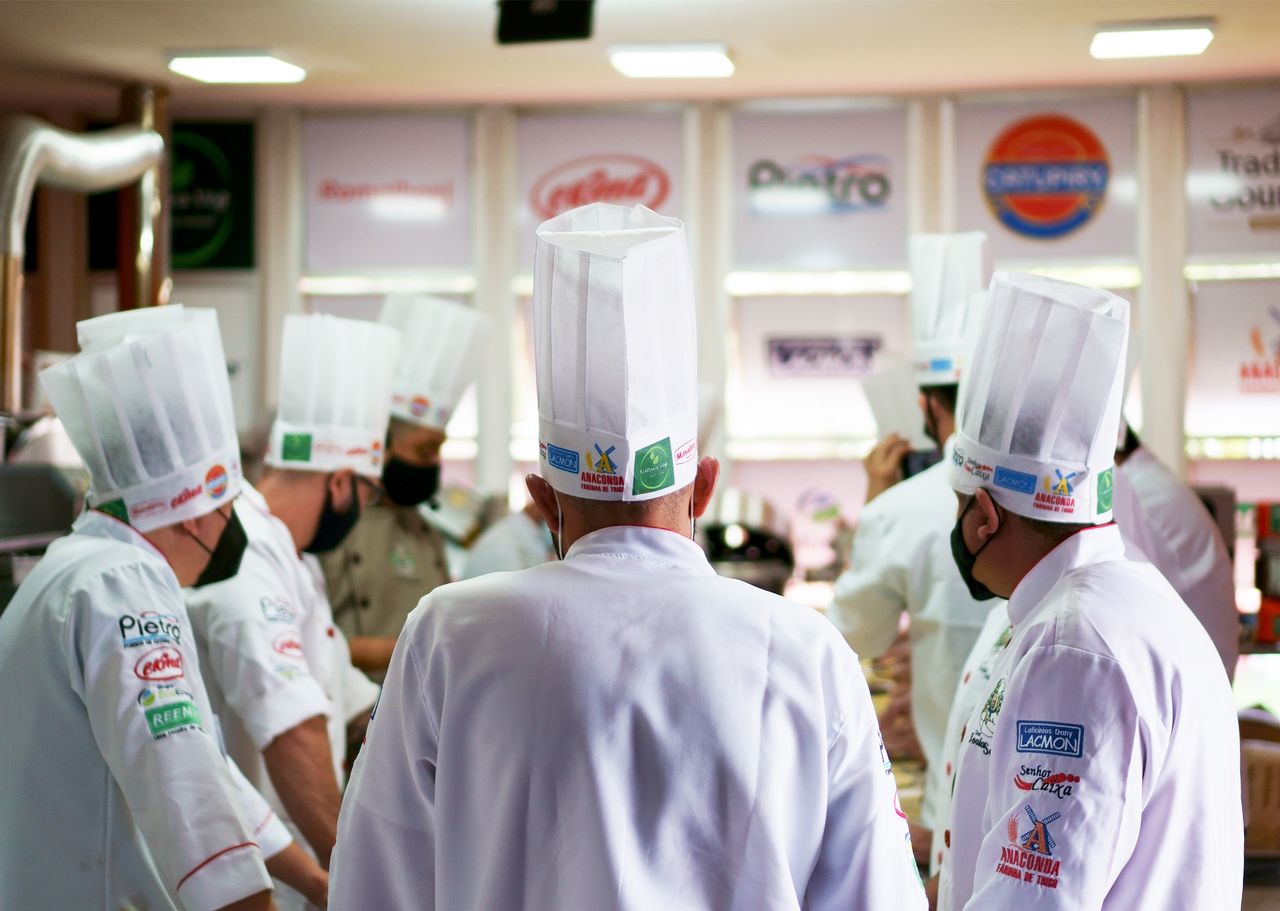
Awards season arrives in this region with a familiar rhythm. A list drops, a ballroom erupts, and by the next morning the phone lines run hot. Diners read a headline. Kitchens read a workload.
The same pattern plays out far from Beirut and Dubai. In Melbourne, Oliver Garrioch of Gimlet took the 2026 chef of the year title, and the weeks after his win rhymed with what happens here. This piece looks at what a trophy shifts inside a restaurant, and what it leaves untouched.
Why Do Restaurant Awards Land Differently Across This Region?
The Gulf and the Levant run on very different dining economies. Dubai and Abu Dhabi built their scenes around visitors, hotels, and constant new openings. Beirut built its own around regulars, family tables, and a long summer season.
An award therefore does different work in each city. Abu Dhabi has been buying its way into the conversation, and its tourism department put a $100 million culinary investment fund behind attracting restaurant brands to the capital. Awards are the public scoreboard for that kind of spending.
In Beirut a trophy travels by word of mouth instead. It reassures regulars, and it pulls the diaspora back through the door each August.
What Actually Changes Inside the Restaurant?
The first change is volume, and it arrives fast. Reservation books that ran 2 days out start running 3 weeks out. A dining room built for 60 covers suddenly fields 200 requests a night.
The second change is the guest list. New diners arrive with borrowed expectations and no history with the kitchen. They order differently, they photograph more, and they measure the meal against whatever they read.
The third change is the least visible one. Suppliers return calls faster, landlords take meetings, and investors appear with plans for a second site. A win buys bargaining power that a good year of trading rarely does.
How Do Regional Lists Steer Where People Book?
A ranking is a shortcut for anyone with one free evening. A visitor with 3 nights in Abu Dhabi will lean on a list rather than a long menu of options.
Different lists pull in different directions:
- Regional 50-style rankings reward restaurants with a clear identity and reach.
- Michelin selections reward consistency across many services, not one great night.
- Chef-focused prizes shine on an individual rather than a dining room.
- Reader and critic awards track loyalty inside a specific city.
- Festival programming lifts venues that can travel and cook off-site.
None of these measures the same thing. The results of the chef awards in Dubai sit beside guide selections without replacing them. Reading two lists together tells you more than trusting either one.
What Does a Win Ask of the Kitchen Team?
Every trophy has a staffing bill attached. Hospitality already runs on tight margins and unsociable hours across this region and beyond. The International Labour Organization counts roughly 1 in 10 jobs worldwide in tourism, hotels, and food services, and it flags long hours and informality as standing problems.
A sudden jump in covers presses hard on those weak points. Prep starts earlier, services end later, and small teams absorb the difference. Kitchens that keep their staff usually plan the growth before the win, not after it.
A named chef carries a separate load. Press days, guest spots, and travel pull them off the pass for weeks at a time. Many of the best chef interviews circle back to that same tension between the stage and the stove.
Sous chefs and pastry leads then run more services alone. That is a real promotion for some and a quiet exit for others.
What Happens to the Supply Chain Behind a Winner?
Menus in the Gulf lean on imports, and a demand spike tests that chain first. A dish that used 8 kilos of an imported fish a week may suddenly need 30. Air freight schedules do not stretch on request.
Levantine kitchens face the mirror image. Their strength is small local growers, dairies, and fishermen who cannot triple output in a month. Chefs often rewrite the menu rather than break those relationships.
Watch what a winner does next with its sourcing:
- Shorter menus that protect quality on the busiest nights.
- Seasonal swaps written in, so one shortage does not stop service.
- Second suppliers approved in advance for the signature ingredients.
- Prep moved off-site when the kitchen simply runs out of space.
How Should Diners Read an Award Season?
Use lists as a starting point rather than a verdict. A ranking tells you a room impressed a panel on particular nights. It says nothing about whether that room suits your Tuesday.
Book with a little patience. The 3 months after a win are the hardest window for any kitchen. The same restaurant in month 6 is usually calmer, sharper, and easier to get into.
Watch which awards a city keeps repeating too. A scene that produces winners across several years has genuine depth. A scene with one famous name has a headline.
A Quick Read On Award Season
- Rankings measure different things, so compare at least two.
- Bookings spike hardest in the first 12 weeks after a result.
- A named chef often spends that period away from the pass.
- Staffing is the constraint most kitchens hit before demand.
- Imported ingredients are the second pressure point on a menu.
- Repeat winners across years signal a deeper local scene.
Trophies Fade, Service Does Not
An award is a snapshot of one moment in a kitchen's life. It opens doors, raises rents, and brings in people who may never come back. What holds a restaurant up afterward is far simpler. A team that shows up, a supplier who answers, and a dish worth crossing town for will outlast any list. Judge the room by that, and awards season becomes useful rather than decisive.
Frequently Asked Questions
Do Restaurant Awards Actually Increase Bookings?
Yes, and usually within days. Most kitchens see the sharpest demand in the first 3 months after a result. Demand then settles at a level above where it started.
Are Regional Lists Better Than Global Ones for Local Diners?
Regional lists tend to be more useful day to day. They cover more venues in your own city and reflect what is open now. Global lists work better for planning a trip abroad.
Why Do Some Award-Winning Restaurants Feel Worse After a Win?
Volume arrives faster than staffing does. A kitchen built for 60 covers cannot always cook 200 the same way. Standards usually recover once hiring catches up.
How Long Should I Wait Before Booking a Winner?
Give it a few months where you can. The room is calmer, the team has settled, and tables are easier to find. You also get a fairer picture of the cooking.