

















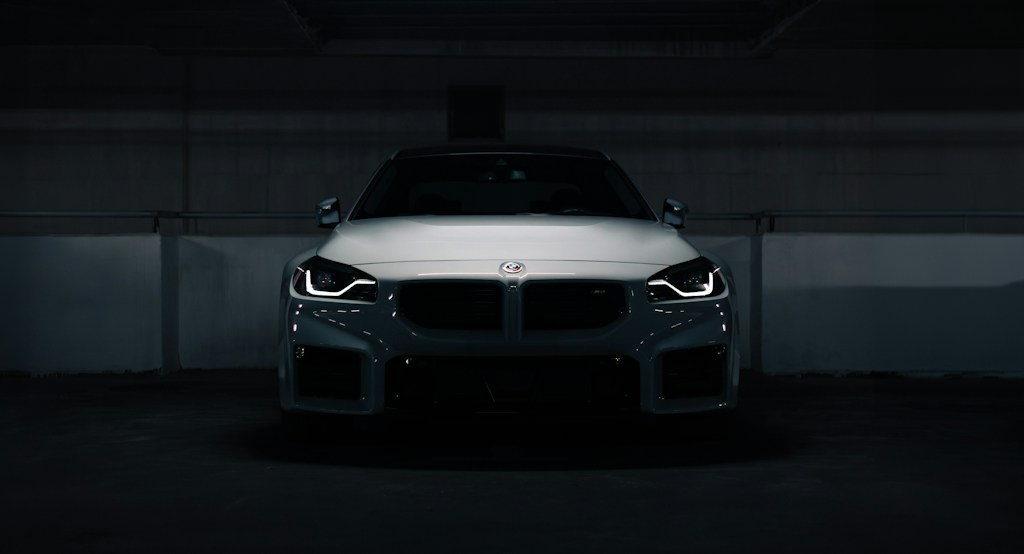
BMW M3 G80 Carbon Fiber Rear Diffuser vs Fiberglass: Which Enhances Aerodynamics?
The BMW M3 G80 is a masterpiece of engineering, combining blistering performance, impeccable handling, and head-turning aesthetics. For many M3 G80 owners, upgrading the rear diffuser is one of the most effective ways to enhance the car’s performance and styling. But when it comes to material choice, the debate between Carbon Fiber and Fiberglass diffusers remains a common topic. While both materials have their merits, Carbon Fiber Rear Diffusers consistently emerge as the superior choice, especially for aerodynamics, weight reduction, and long-term value.
In this blog, we’ll break down the benefits of upgrading to a Carbon Fiber Rear Diffuser, compare it to Fiberglass, and explain why carbon fiber is the ultimate upgrade for improving the aerodynamics and performance of your BMW M3 G80.
What Does a Rear Diffuser Do?
Before diving into the material debate, let’s first understand the critical role a rear diffuser plays in your car’s overall performance.
Improves Aerodynamics: A rear diffuser is designed to regulate airflow under the car, smoothing turbulent air and creating a low-pressure area that increases downforce. This reduces drag and improves stability at high speeds.
Boosts Stability: By enhancing downforce at the car’s rear, the diffuser helps the tires stay planted to the ground, improving control and cornering grip.
Adds Visual Aggression: Beyond performance, a rear diffuser contributes to the sporty and aggressive aesthetic of the vehicle.
Choosing the right material for your rear diffuser can significantly influence its performance and durability, so let’s dive into a detailed comparison of Carbon Fiber and Fiberglass.
Carbon Fiber vs Fiberglass: Which Enhances Aerodynamics on the BMW M3 G80?
1. Aerodynamic Efficiency
Carbon Fiber Rear Diffuser
Precision Aerodynamic Designs: Carbon fiber is highly moldable, allowing manufacturers to create complex and intricate aerodynamic shapes that optimize airflow while maintaining structural rigidity. These efficient designs minimize drag and maximize the diffuser’s ability to create ground-hugging downforce.
Perfect Fitment: Carbon fiber is custom-engineered for vehicles like the BMW M3 G80 to ensure a seamless fit. This precise fitment ensures there are no gaps or flaws that disrupt airflow, leading to significantly better aerodynamic efficiency.
Fiberglass Rear Diffuser
Design Limitations: Fiberglass lacks the structural rigidity of carbon fiber, which limits its ability to support sharp and refined aerodynamic designs. The material is also more prone to flexing, which can distort airflow and reduce its effectiveness at high speeds.
Weight Factor: Fiberglass’s heavier weight makes it less effective at maximizing aerodynamic performance, as added weight can offset the benefits of reduced drag.
Winner: Carbon Fiber, due to its superior aerodynamics, shape retention, and lightweight construction.
2. Lightweight Design
One of the greatest advantages of carbon fiber is its incredibly lightweight composition, which directly impacts the overall performance of the vehicle.
Carbon Fiber Rear Diffuser
Featherweight Material: Carbon fiber has a unique composition that makes it much lighter than fiberglass while offering exceptional strength. Upgrading to a carbon fiber diffuser reduces your BMW M3 G80’s overall weight, which enhances acceleration, handling, and fuel efficiency.
Improved Weight Distribution: The reduced weight lowers the center of gravity, aiding in high-speed cornering and stability. This is especially important for a performance-focused vehicle like the M3 G80.
Fiberglass Rear Diffuser
Heavier Construction: Compared to carbon fiber, fiberglass is significantly heavier. This additional weight negatively impacts aerodynamics, as the vehicle carries an unnecessary burden that can hinder overall performance.
Weaker Performance Effects: The added weight offsets the potential benefits of aerodynamic efficiency, making fiberglass less effective for a high-performance car.
Winner: Carbon Fiber, as it minimizes weight while maintaining strength, which is critical for performance-enhancing upgrades.
3. Durability and Strength
A rear diffuser regularly endures harsh conditions, including road debris, changing weather, and aerodynamic stress. It’s vital to choose a material that can perform under these challenges.
Carbon Fiber Rear Diffuser
Exceptional Strength-to-Weight Ratio: Despite its lightweight nature, carbon fiber has superior tensile strength that makes it resistant to cracking, warping, or breaking under stress.
High Impact Resistance: Carbon fiber can withstand road debris and minor impacts better than fiberglass, making it an ideal choice for long-term use.
Weather Resistance: Unlike fiberglass, carbon fiber is less prone to damage from UV exposure and extreme weather conditions, maintaining its structural integrity and glossy appearance over time.
Fiberglass Rear Diffuser
Prone to Flexing and Cracking: Fiberglass is more flexible and brittle compared to carbon fiber, which makes it more likely to crack or deform under pressure or debris impact.
Vulnerable to Weathering: Prolonged exposure to sunlight and rain can cause fiberglass to degrade faster, reducing its lifespan.
Winner: Carbon Fiber, for its unmatched durability, resistance to external elements, and long-lasting performance.
4. Style and Aesthetic Appeal
One of the unsung roles of a rear diffuser is to elevate the visual appeal of your BMW M3 G80. If you want your car to stand out with a premium, high-performance look, the material you choose makes a big difference.
Carbon Fiber Rear Diffuser
Premium Glossy Finish: Carbon fiber’s signature woven texture and glossy finish exude sophistication and a high-performance aesthetic.
Custom Look Options: Carbon fiber rear diffusers are available in various weaves, finishes, and designs tailored to complement the BMW M3 G80’s styling, enhancing its overall presence on the road.
Fiberglass Rear Diffuser
Basic Finish: Fiberglass doesn’t feature a unique look like carbon fiber. It often has a plain or painted finish that lacks the luxurious feel of carbon fiber’s woven texture.
Lack of Visual Prestige: While it can mimic the design of carbon fiber, fiberglass lacks the genuine high-performance aesthetic that carbon fiber delivers.
Winner: Carbon Fiber, for its unmistakable premium appearance that matches the sporty and aggressive styling of the BMW M3 G80.
Why Carbon Fiber is the Ideal Choice for Your BMW M3 G80
While both Carbon Fiber and Fiberglass rear diffusers offer improvements over stock components, carbon fiber remains the superior choice for BMW M3 G80 owners seeking maximum performance, aesthetics, and durability. Here’s why:
Enhanced Aerodynamics: Carbon fiber delivers superior airflow management, reduced drag, and improved downforce at high speeds.
Lightweight Advantage: Its ultralightweight design minimizes overall vehicle weight, improving acceleration, handling, and efficiency.
Durability and Longevity: Carbon fiber outlasts fiberglass under all conditions, providing long-term value and impact resistance.
Visual Appeal: The luxurious, woven texture of carbon fiber adds a unique aesthetic that fiberglass simply cannot match.
Transform your BMW M3 G80 with a Carbon Fiber Rear Diffuser that enhances aerodynamics, reduces weight, and elevates your car’s style. Engineered for ultimate performance, carbon fiber diffusers are the perfect balance of function and aesthetics. Don’t settle for less—upgrade your BMW M3 G80 rear diffuser today and experience the road like never before!