

















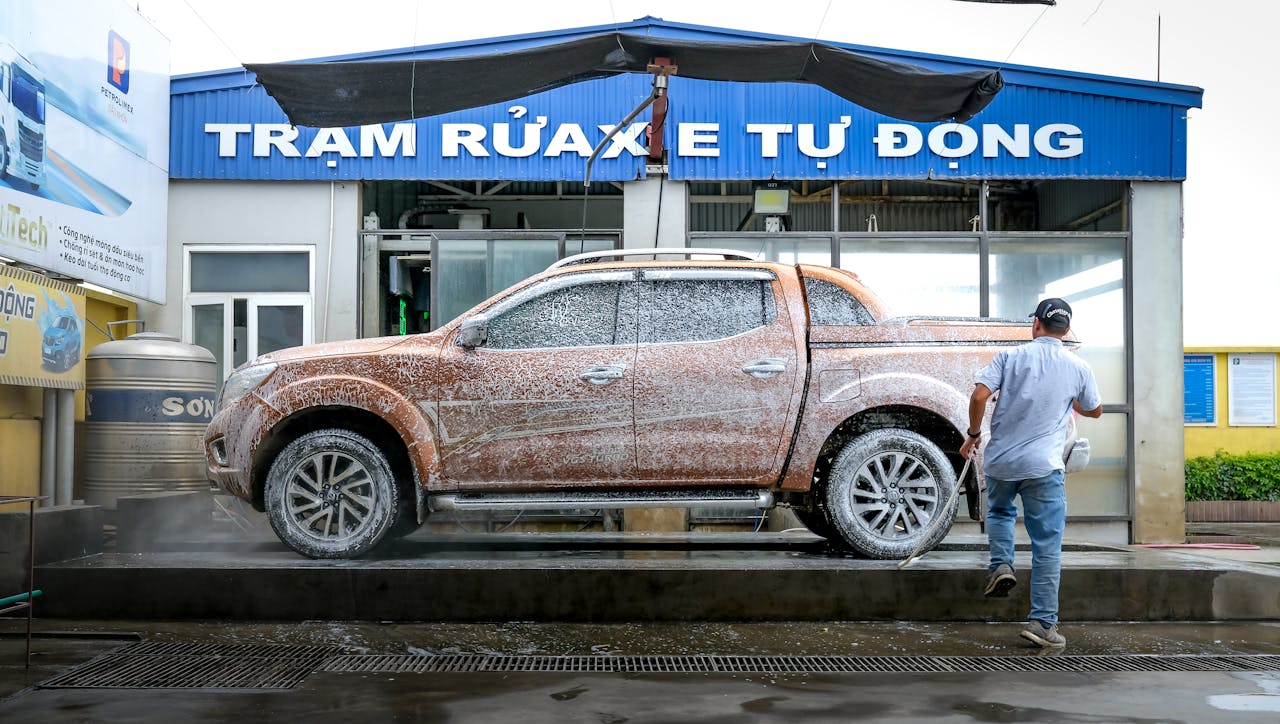
A gleaming car isn’t just a joy to behold—it’s a testament to care, attention, and the power of chemistry. While many drivers see washing their vehicle as a cosmetic chore, the truth is that a proper soap wash does far more than enhance appearance. It plays a vital role in preserving your car’s paint, protecting its clear coat, and extending the life of its exterior. From the science of surfactants to the art of technique, let’s explore how a simple soap wash can transform your vehicle from dull to dazzling—and keep it that way.
The Hidden Threats to Your Car’s Finish
Every day, your car is exposed to a barrage of environmental contaminants. Dust, pollen, bird droppings, tree sap, road salt, and industrial fallout all settle on the surface, slowly eating away at the paint and clear coat with ceramic coating near me. Left unchecked, these contaminants can cause oxidation, etching, and corrosion. Even something as seemingly harmless as rain can leave behind acidic residues that dull your car’s shine over time.
A proper soap wash acts as a defensive shield. It removes these harmful particles before they can bond with the surface, preventing long-term damage and preserving the integrity of your vehicle’s finish.
The Chemistry Behind the Clean
At the heart of every effective bubbles car wash Calgary is a well-formulated soap. Unlike household detergents, which can strip wax and damage paint, automotive soaps are pH-balanced and designed to work in harmony with your car’s protective layers. These soaps contain surfactants—molecules with one end that bonds to water and another that bonds to oils and dirt.
When you apply soap to your car, these surfactants surround and lift contaminants from the surface, suspending them in water so they can be safely rinsed away. This process not only cleans the car but also reduces the risk of scratching, as dirt is removed rather than dragged across the paint.
Foam: More Than Just a Show
Thick, clinging foam isn’t just for visual satisfaction—it’s a sign that your soap is doing its job. Foam increases dwell time, allowing the surfactants more opportunity to break down grime. It also acts as a lubricant, cushioning your wash mitt and reducing friction during the contact wash phase.
When applied with a foam cannon or foam gun, the soap covers the vehicle evenly, reaching into crevices and contours that might otherwise be missed. This ensures a more thorough clean and minimizes the need for aggressive scrubbing, which can introduce swirl marks and micro-scratches.
Technique Matters: The Two-Bucket Method
Even the best soap can’t protect your paint if it’s used incorrectly. One of the most effective techniques for a safe wash is the two-bucket method. One bucket holds your soapy water, while the other contains clean water for rinsing your wash mitt. This prevents dirt from being reintroduced to the car’s surface, reducing the risk of scratching.
Using a microfiber mitt instead of a sponge also helps. Microfiber traps dirt within its fibers, pulling it away from the paint, whereas sponges tend to push debris around. Rinsing frequently and working from top to bottom ensures that the cleanest areas are washed first, while the dirtiest sections—like the lower panels and wheels—are tackled last.
Rinsing and Drying: The Final Touch
After the wash, a thorough rinse removes all soap and loosened contaminants. Using a gentle stream of water, such as the sheeting method, helps reduce water spots by encouraging water to flow off the surface in sheets. Drying with a clean, plush microfiber towel prevents mineral deposits from forming and gives you a chance to inspect your work.
Some soaps leave behind gloss enhancers or protective polymers that boost shine and add a layer of hydrophobic protection. These additives help water bead off the surface and make future washes easier, all while enhancing the visual appeal of your vehicle.
Long-Term Benefits of Regular Washing
Consistent washing isn’t just about keeping your car looking good—it’s about preserving its value. A well-maintained exterior resists rust, fading, and clear coat failure. It also signals to potential buyers that the vehicle has been cared for, which can translate into a higher resale price.
Moreover, regular washing reduces the need for more intensive detailing or paint correction down the line. By removing contaminants before they cause damage, you’re investing in the longevity of your vehicle’s appearance and structural integrity.
Final Thoughts
A proper soap wash is more than a cosmetic ritual—it’s a form of preventative maintenance. With the right products, techniques, and a little bit of time, you can protect your car’s finish, enhance its shine, and enjoy the satisfaction of driving a vehicle that looks as good as it performs. From dull to dazzling, the transformation is in your hands—and in your suds.