

















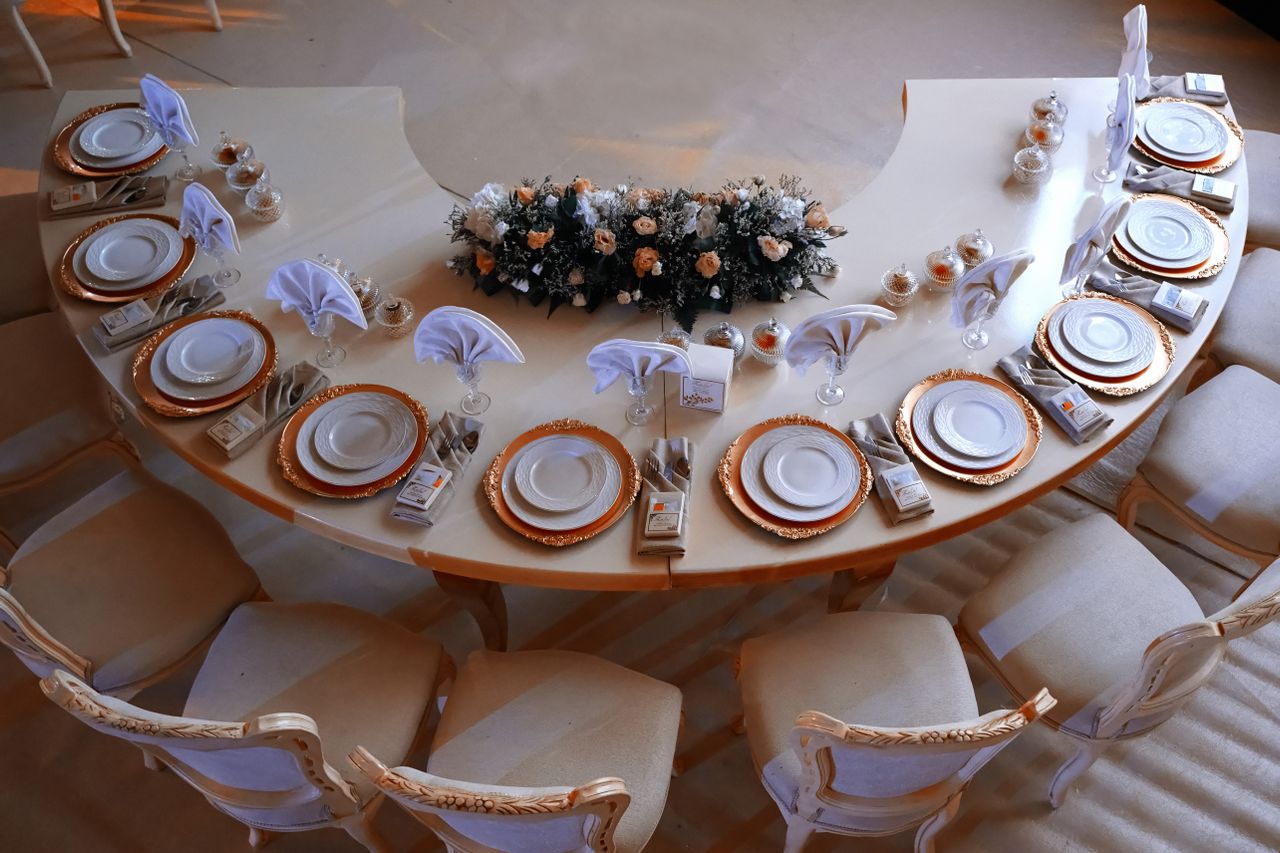
There is quite a lot to think about when hosting a dinner party. Of course, you want to serve delicious food, but there are other factors that can make a difference as well. Think about the atmosphere, lighting and decorations. Something you might not think about until later is the tableware. Yet the plates, bowls and serving dishes you use play a big part in how your table looks. It is therefore worth thinking in advance about what you want to put on the table.
Match the tableware to the occasion
Start by thinking about the type of dinner you are hosting. For an elaborate dinner at the table, you will probably choose something different than you would for a barbecue in the garden. For a more formal occasion, simple white porcelain is usually a safe choice. It creates a calm look and allows the food to take centre stage.
For an informal dinner, you can experiment more with colours and materials. Earthenware in warm tones, for example, can give the table a cosy, slightly rustic feel. Not everything has to come from exactly the same collection either. If the colours and materials work well together, combining different types of tableware can actually make the table more interesting.
The material matters in practical terms too
When choosing tableware, you will probably look at its appearance first, but the material also determines how practical it is. Porcelain and ceramic are popular, fairly durable and available in countless designs. For a garden party or a birthday celebration with lots of guests, however, breakable plates are not always the most convenient option.
In that case, plasticok plates can be a practical choice. These days, that does not necessarily mean the thin disposable plates you may be familiar with. There are also sturdier options that look much more like regular tableware. They are lightweight, easy to carry and can handle the occasional bump or drop. This makes them particularly useful for a garden party, children's party or another occasion where lots of people are moving around.
Consider what you are going to serve
Not every dish works equally well on the same type of plate. A large, flat plate is useful for a nicely presented main course, while a deep plate or bowl often works better for pasta, soup or risotto.
Are you serving several dishes for everyone to share? Make sure you have enough serving bowls and dishes for the centre of the table. The last thing you want is to discover halfway through dinner that you have nowhere to put the salad or side dishes.
When it comes to colour, you can keep things as simple or elaborate as you like. White, cream and grey are easy to combine and allow colourful dishes to stand out. Want to add a little more colour to the table? Try repeating one or two shades in the plates, napkins or flowers.
Combining different types of tableware
More and more tables are being set without every plate looking exactly the same. Different colours, shapes and finishes can be combined to give the table a more personal feel.
You do not have to buy an entirely new dinner set to achieve this. You may already have some individual plates at home that work well together, and second-hand shops can also be great places to find interesting pieces.
Materials such as linen, wood and earthenware work particularly well with this approach. A wooden serving board, simple linen napkins and a few different plates can already be enough to give the table a little more character.