

















"See your dentist twice a year" is one of the most familiar health rules in America, yet few people know where it came from. The six-month interval is often said to trace back to mid-20th century toothpaste advertising rather than clinical research, and modern evidence paints a more personal picture. For some adults, every six months is exactly right. For others, it is too often, and for many, it is not often enough. Whether you see a dentist in Tarzana, CA, residents have trusted for years or are looking for a new office, the right schedule depends on your individual risk, not the calendar.
What Does the Research Actually Say?
A large randomized trial published in 2020, which followed adults in the United Kingdom for four years, compared six-month checkups, two-year checkups and intervals tailored to each person's risk. Among adults who regularly attended the dentist, the researchers found little difference in oral health outcomes between the groups. A systematic review published the same year reached a similar conclusion: the evidence does not clearly show that a fixed six-month schedule works better than a risk-based one for low-risk adults.
That does not mean checkups are optional. It means the interval should fit the patient. Clinical guidance in the UK recommends recall periods anywhere from three to 24 months for adults, set by the dentist after reviewing each person's history. In the United States, professional guidance similarly encourages dentists to set visit frequency based on individual needs.
How Is Your Personal Risk Assessed?
During an exam, your dentist looks at more than cavities. They consider your history of decay, the health of your gums, existing fillings and crowns, your medical conditions, your medications, and your daily habits. Each of these shifts the timing of your next visit.
|
Risk profile |
Common characteristics |
Typical checkup interval |
|
Low risk |
No recent cavities, healthy gums, good home care |
Every 12 months, sometimes longer |
|
Moderate risk |
Occasional cavities, mild gum inflammation, some restorations |
Every 6 months |
|
High risk |
Frequent decay, gum disease history, diabetes, smoking, dry mouth |
Every 3 to 4 months |
These ranges are general and should always be confirmed by your own dentist.
Who Needs to Go More Often?
Gum disease is one of the clearest reasons for shorter intervals. Research published in 2018 estimated that about 42 percent of American adults aged 30 and older have some form of periodontitis. Once gum disease has been treated, many patients move to periodontal maintenance visits every three months, because the bacteria involved can rebuild below the gumline faster than a six-month schedule allows. If you have ever been told your gums bleed or show inflammation, aDentist Tarzana, CA, can explain whether a shorter schedule makes sense for you.
Other groups that often benefit from more frequent care include:
- People with diabetes, which is closely linked to gum disease.
- Smokers and vapers, who face higher risks of gum problems and oral cancer.
- Adults taking medications that cause dry mouth, since saliva protects teeth against decay.
- Pregnant patients, as hormonal changes can increase gum inflammation.
- Anyone with implants, braces, aligners, or extensive restorations that need monitoring.
What Happens at a Typical Checkup?
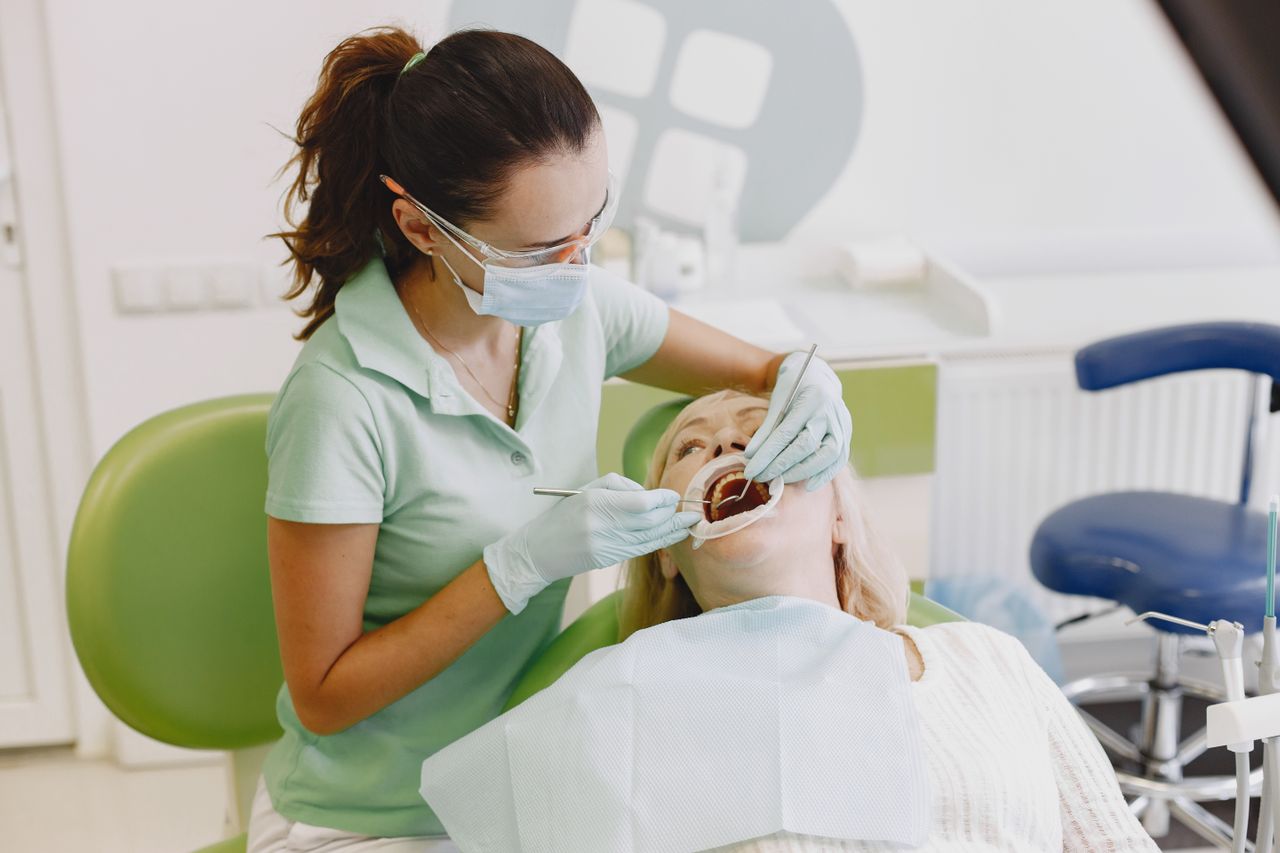
A routine visit usually includes a professional cleaning to remove plaque and hardened tartar, an examination of teeth and gums, measurement of gum pocket depth, and an oral cancer screening. X-rays are taken at intervals based on risk rather than at every visit.
That screening matters even for people with healthy teeth. Early signs of oral cancer, gum recession, and tooth wear rarely cause pain at first, so a trained eye can catch them long before you would notice. This is a large part of why regular visits remain valuable, even for patients who brush and floss faithfully.
Can Good Home Care Stretch the Interval?
To a point, yes. Brushing twice daily with fluoride toothpaste, cleaning between teeth every day, and limiting sugary snacks and drinks all lower your risk, and lower risk can justify longer gaps between visits. Still, home care cannot remove hardened tartar or detect problems hidden between teeth or under the gumline. The goal is a partnership: daily habits at home, professional monitoring at a pace that fits your mouth.
Frequently Asked Questions
Is once a year enough if my teeth feel fine?
For some low-risk adults, an annual visit may be appropriate, but your dentist should make that call after reviewing your history.
Does dental insurance cover more frequent visits?
Many plans cover two preventive visits per year. Coverage for additional periodontal maintenance varies, so check your benefits.
Should I wait for my next checkup if something hurts?
No. Pain, swelling, bleeding, or a broken tooth should be evaluated promptly rather than at your next scheduled visit.
The Practical Takeaway
The six-month rule is a reasonable starting point, but your ideal schedule may be shorter or longer depending on your gums, history, and health. The smartest approach is to ask your dentist directly what interval suits you and why. If you have not had that conversation recently, a dentist in Tarzana, CA, that patients trust can assess your risk and set a schedule built around your needs. You can request a checkup and cleaning through nzadehdmd.com and leave with a clear plan for your next visit. Book your appointment this month, ask about your personal risk level, and let your checkup schedule work for you rather than the calendar.