

















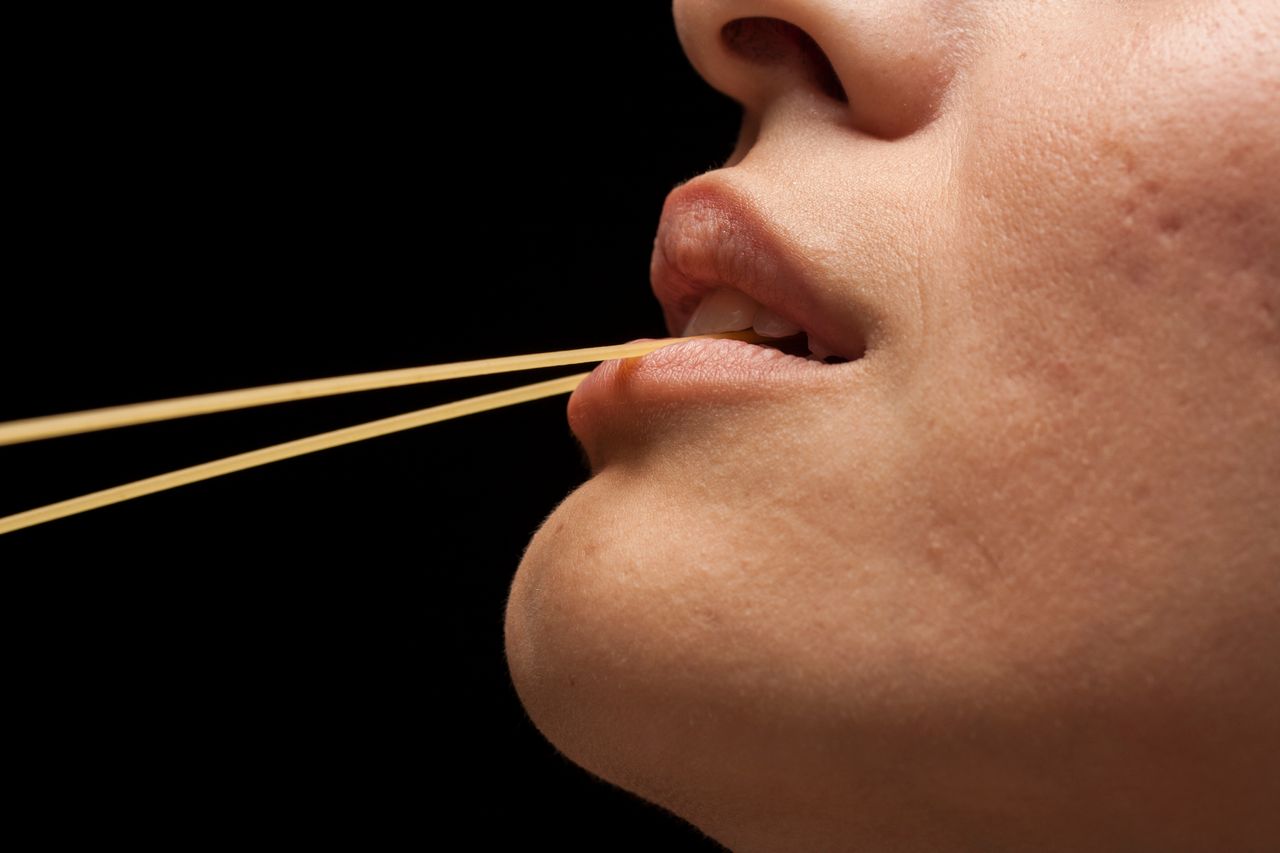
For anyone who considers themselves a true passionate foodie, a meal is never just about fuel. It is an exploration of textures, a balance of complex flavor profiles, and a shared social ritual. We seek out artisan culinary experiences, tracking down the crispest wood-fired crusts, the most tender slow-cooked proteins, and the delicate snap of fresh, locally sourced produce. Yet, there is an invisible, highly critical factor that dictates exactly how much we can enjoy these sensory journeys: the mechanical efficiency of our bite.
When an individual navigates tooth loss or relies on standard, ill-fitting dental prosthetics, their relationship with food shifts dramatically. It forces a quiet retreat from challenging, texturally vibrant dishes toward a monotonous, soft-food diet. Reclaiming the joy of unhindered dining requires looking past generic patches. For food lovers who refuse to compromise on their culinary adventures, finding a specialized denture clinic launceston has become a vital step in restoring both physical comfort and gastronomic freedom.
The Biomechanics of Taste and Mastication
It is easy to assume that taste happens entirely on the tongue. In reality, the true enjoyment of food is a multi-sensory process that depends heavily on oral biomechanics. Proper mastication—the physical breakdown of food—is what releases locked-in volatile organic compounds, allowing them to travel up the back of the throat to the olfactory receptors. If you cannot chew efficiently, you are quite literally missing out on the full flavor profile of your meal.
When an oral prosthetic is poorly calibrated or unoptimized, it introduces high-friction barriers to the dining experience. Generic, mass-produced bases can over-bulk the upper palate, blanket our natural thermal receptors, and deaden the sensory feedback of hot and cold dishes.
By prioritizing precision engineering at a dedicated denture clinic launceston, clinicians utilize high-definition intraoral optical scanning to generate a flawless digital copy of the mouth’s anatomy. This allows for the design of ultra-thin, high-impact polymers and lightweight cobalt-chrome frameworks. These advanced materials preserve the natural volume of the oral cavity and leave critical thermal zones unblocked, ensuring you can fully taste, feel, and experience every single layer of a complex dish.
Texture, Bite Force, and Structural Stability
The ultimate test for any dental appliance isn't how it looks in a mirror; it's how it handles a diverse menu. From the crunch of a perfectly crackled sourdough to the firm bite of an al dente hand-rolled pasta, different foods exert massive, multi-directional kinetic forces across the jaw.
Standard, off-the-shelf options or aged prosthetics often fail under these dynamic loads because the biological foundation of the mouth naturally changes over time. Following tooth loss, the jawbone undergoes a process called bone resorption, where it gradually loses density and shrinks. When the bone shifts but the appliance remains static, microscopic gaps develop beneath the base plate.
This instability creates a frustrating cycle during meals:
- Localized Pressure Points: When you bite down on firm food, an unstable appliance tilts, focusing the entire force onto a small, delicate patch of gum tissue and causing painful friction sores.
- The Food Trap: Gaps beneath an unoptimized base plate act as a reservoir for small seeds, nuts, and grain fragments, causing sharp physical discomfort mid-meal.
- The Adhesive Fail: Relying on thick, chemical dental pastes to secure a loose fit is a volatile solution. These temporary adhesives easily dissolve when exposed to hot broths or acidic citrus dressings, turning a fine dining experience into a stressful balancing act.
To eliminate this friction before your next dinner booking, regular proactive care is essential. Visiting a specialized denture clinic launceston for clinical relining allows a practitioner to resurface the base of the appliance with a fresh layer of medical-grade polymer. This minor adaptation perfectly matches the current contours of your mouth, restoring maximum natural suction and uniform weight distribution so you can confidently order across the entire menu.
Material Densities: Keeping the Biofilm Away from the Palette
The biomaterials introduced into an oral environment directly affect long-term health and taste clarity. Traditional dental workflows often rely on hand-packed acrylics cured in water baths—a process that can introduce tiny micro-pores into the structural matrix as the material cools.
Over months of exploring diverse cuisines, these microscopic pores act like a sponge, absorbing food pigments, organic moisture, and stubborn oils. If left unmanaged, this bio-accumulation creates a persistent baseline taste distraction and harbors harmful microorganisms, leading to chronic, painful inflammation like denture stomatitis.
To keep your palate pristine, modern clinical spaces utilize a dual-tier approach to material density:
- Subtractive CNC Milling: Advanced prosthetics are carved out of solid blocks of industrial-grade, pre-polymerized resin. Cured under extreme pressure before manufacturing, these materials feature a highly dense, non-porous finish that actively resists staining and flavor absorption.
- Ultrasonic Cavitation Maintenance: For deep cleaning, moving past abrasive household toothpastes—which create microscopic scratches on the acrylic surface—is necessary. Utilizing professional ultrasonic cleaning uses high-frequency sound waves to strip away deep-seated tartar and oils, safely preserving the smooth, polished finish of the appliance.
Reclaiming Your Seat at the Table
Ultimately, true food appreciation is about living without hesitation or restriction. Food connects us to cultures, creators, and communities, and no one should have to sit out a meal due to an unreliable bite.
By partnering with a specialized denture clinic launceston that views oral rehabilitation as a precise blend of structural science and lifestyle design, you secure an incredibly stable, natural fit. Taking care of your structural health ensures your palate remains completely clear, allowing you to focus entirely on your next culinary discovery without limitation.