

















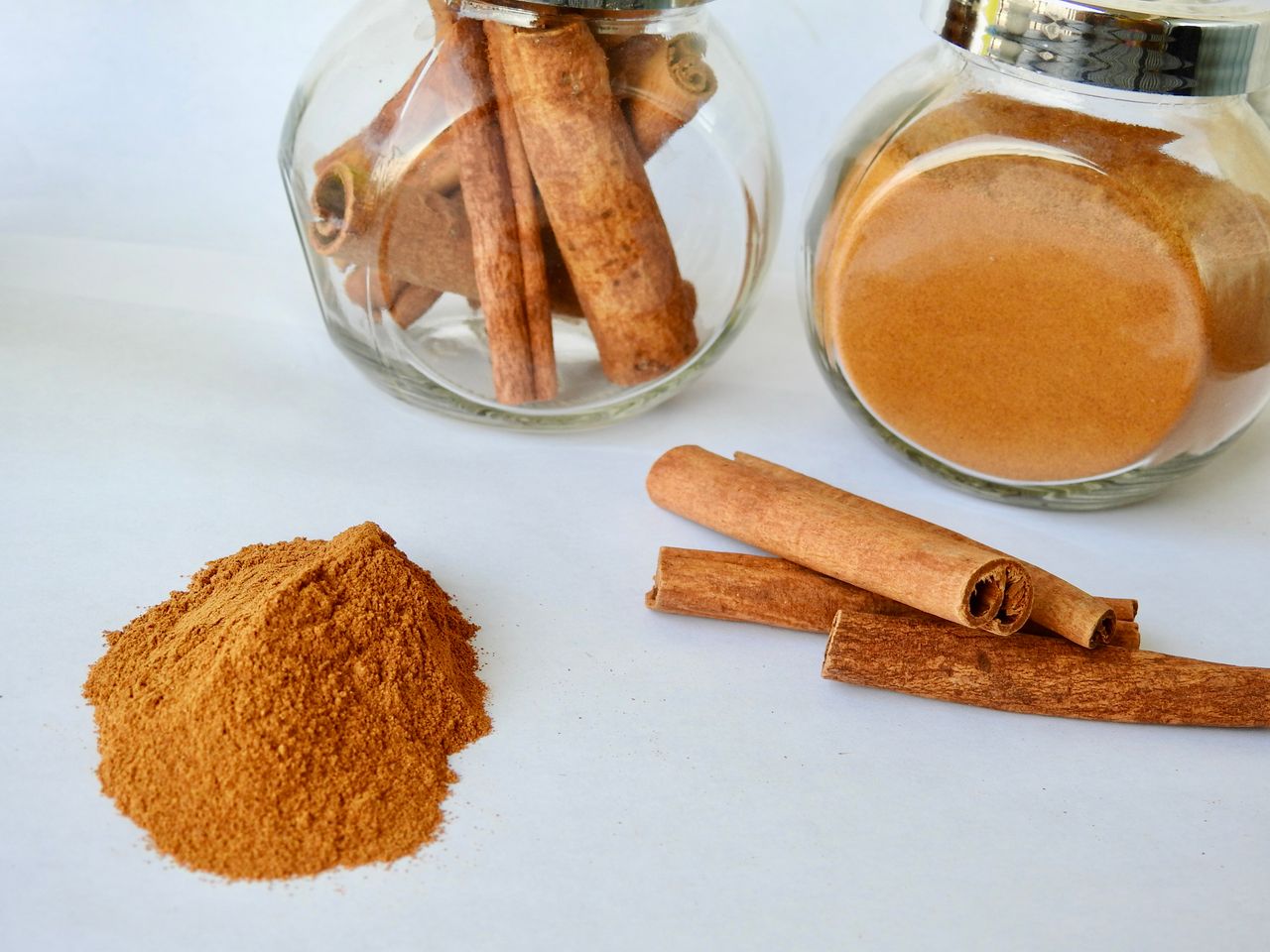
Open your spice drawer and breathe in. Black pepper, whole cloves, a cinnamon stick, a pinch of dried oregano: they look nothing alike, yet they share a warm, woody, faintly peppery note that cooks learn to recognize long before they can name it. That overlap is not a coincidence. It comes from a single aroma molecule, beta-caryophyllene, that turns up all over the spice rack.
Knowing what it is, where it hides, and how to protect it makes you a more deliberate cook. Here is a short field guide.
What Beta-Caryophyllene Is
Beta-caryophyllene, usually shortened to caryophyllene, belongs to a family of aromatic plant compounds called terpenes. Plants make them for their own reasons, such as deterring insects and attracting pollinators, but cooks experience them as aroma. Researchers describe caryophyllene as a plant volatile that turns up in large amounts in the essential oils of spice plants such as oregano, cinnamon, and black pepper. Because its own taste is mild, it is also used commercially as a food additive and in cosmetics.
Pepper’s Heat Is One Thing, Its Aroma Another
Most people assume black pepper’s character is all bite, but two different things are happening in every peppercorn. The sting comes mainly from piperine, an alkaloid in the berry. The aroma comes from volatile oils, and that is where caryophyllene lives.
Black pepper oil makes up only about 3 to 6 percent of the peppercorn, yet it carries the spice’s characteristic flavor and aroma. In one analysis of oils from Madagascar and Brazil, beta-caryophyllene made up roughly 9 to 26 percent of the total, depending on the variety. A shared woody-spicy backbone also helps explain why pepper blends so naturally with cloves, cinnamon, and hops.
The range is wide because composition depends on the plant. Researchers point to variety, growing conditions, harvest stage, and extraction method as factors, which is one reason peppercorns from different regions can smell noticeably different even when they look alike. It is also worth clearing up a common mix-up: caryophyllene is not what makes pepper hot. That job belongs to piperine, while caryophyllene works at the level of smell.
A Surprising Cousin
Chemists find the same molecule outside the kitchen, too. It is present in hops, and it is present in cannabis flower, where the caryophyllene terpene contributes the spicy, clove-like note that lab reports and product descriptions often mention. It is a fun reminder, for adults 21 and older in states where cannabis is legal, that aroma chemistry crosses categories.
A 2008 study went a step further. Its authors reported that beta-caryophyllene binds to a cannabinoid receptor known as CB2, which led them to call it a “dietary cannabinoid.” The work was done in cell and mouse experiments, and ordinary cooking involves far smaller amounts, so it is best read as a reason for curiosity rather than a health claim.
Following the Thread Across Cuisines
Once you start noticing it, you see the same aromatic backbone in dishes from very different traditions. Garam masala typically combines black pepper, cloves, and cinnamon. Pho broth leans on cinnamon and cloves, and mulled wine and spiced cider do the same with a different mood. Italian tomato sauces pair oregano with a grind of black pepper. In each case, the cook is stacking spices that share a warm, woody note and then differentiating them with brighter or sweeter ones, such as cardamom, star anise, or citrus peel.
Getting the Most From It in the Kitchen
Aroma molecules like this one are volatile, which is a polite way of saying they escape. Grinding breaks open the peppercorn and gives them a quick exit, and research notes that storage of ground pepper changes the composition of its oil. Extension specialists give the practical version of the same advice: whole spices such as cloves last longer than ground ones, and spices keep best in a cool, dry, dark place.
That points to a few habits worth adopting. Buy whole peppercorns and cloves, and grind them just before you cook. Toast them briefly in a dry pan over medium heat until fragrant, which releases their aroma without driving it off. Add freshly cracked pepper near the end of cooking, when its volatile oils will still make it to the table.
At the store, look for whole peppercorns that are firm and fairly uniform, and smell the jar if you can. Buy small quantities from shops with quick turnover, since large tins of pre-ground spice may have been sitting for a long time before they reach your cart.
Cooks who leave garlic and onions out of their food, whether for tradition, taste, or dietary reasons, often lean on aromatic spices to build depth, and this is where a warm blend earns its place. Try cracking a teaspoon of black peppercorns with three or four whole cloves and a one-inch piece of cinnamon stick, toast them lightly, and grind. Stir a pinch into lentils, roasted vegetables, or a rice pilaf just before serving.
Finally, trust your nose. Rub a pinch of an old spice between your fingers and smell it. If the aroma is faint, the volatile oils have mostly faded, and it is time to replace it.
The Takeaway
Caryophyllene is one of those quiet compounds that explains something you have noticed for years without a name for it. It gives black pepper, cloves, and cinnamon their shared warmth, it shows up in hops and cannabis too, and it rewards the cook who treats spices as perishable ingredients. Buy them whole, grind them late, and let your nose decide when a jar has had its day.