

















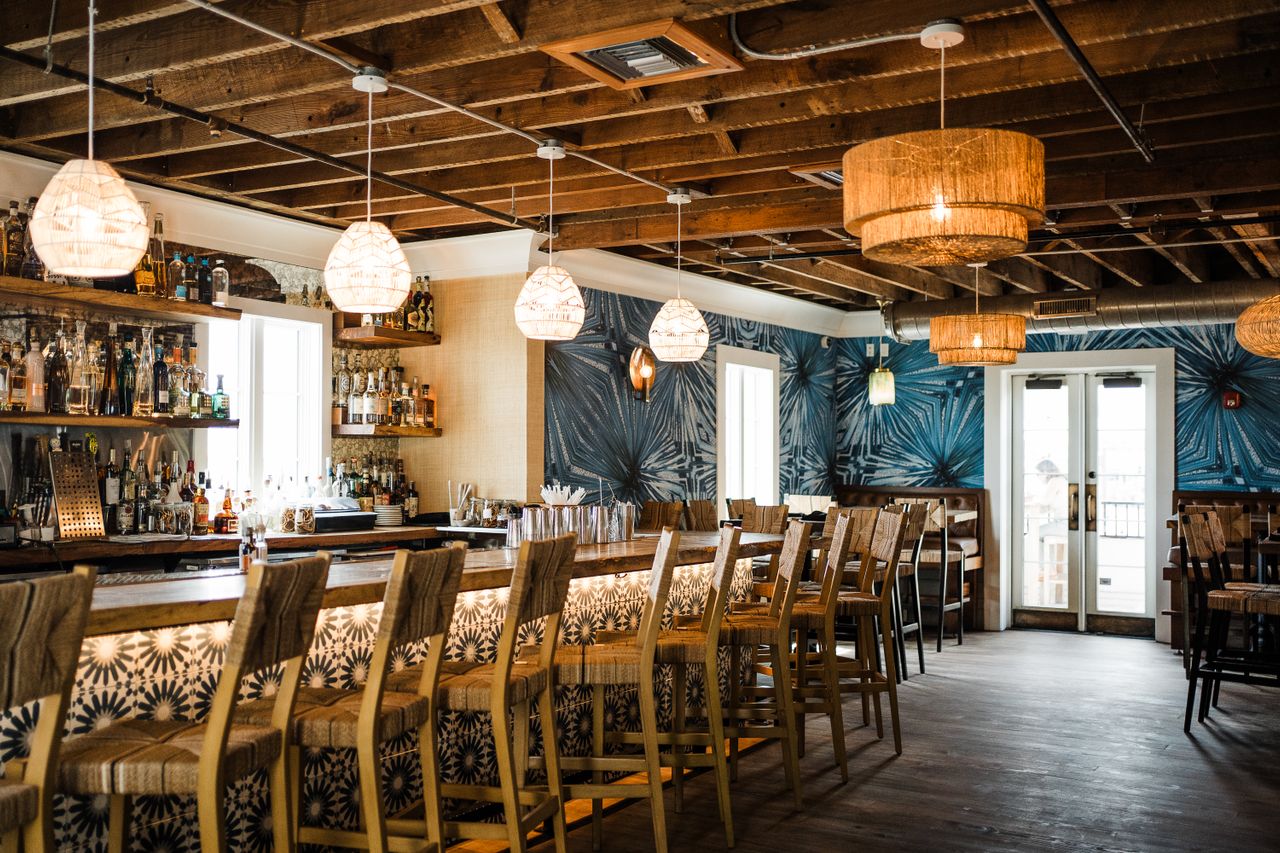
A memorable meal is rarely defined by food alone. The atmosphere, the welcome at the door, the comfort of the seating, and even the smallest details can shape how guests remember a restaurant. A beautifully prepared dish may be the highlight of an evening, but the setting helps make the whole experience worth repeating.
Florida offers plenty of inspiration for this kind of hospitality. Its dining scene brings together coastal traditions, international influences, local produce, and a year-round outdoor lifestyle. From Miami's vibrant neighborhoods to the historic streets of St. Augustine and the waterfront restaurants of the Florida Keys, each destination has its own character. Increasingly, that identity is reflected not only on the menu but throughout the restaurant itself.
Florida's Food Culture Starts with Local Ingredients
Florida's climate and agricultural landscape give chefs access to a varied supply of regional ingredients. Citrus, tomatoes, avocados, seafood, and seasonal vegetables all find their way into local menus. Many restaurants build their dishes around what is grown or caught nearby, giving visitors a taste of the region rather than a menu that could belong anywhere.
Seafood is naturally central to many coastal communities, while farms across the state contribute fruit and vegetables to independent kitchens and larger dining establishments. This connection between producers and restaurants gives Florida's food culture much of its personality.
The state's culinary appeal is also reflected in its tourism. Visit Florida highlights the range of food experiences available across the state, from regional specialties to restaurants influenced by its many cultures.
Miami's International Dining Scene
Miami stands out for the way its communities have shaped local cuisine. Cuban, Caribbean, and Latin American traditions are woven into the city's food culture, alongside contemporary restaurants that experiment with ingredients and presentation. In Little Havana, family-run establishments preserve familiar recipes and traditions, while Wynwood has become known for a more creative mix of dining concepts and lively surroundings.
The city's climate also influences how restaurants are designed. Outdoor terraces, shaded patios, and open-air seating make it possible to enjoy meals outside throughout much of the year. At the same time, interiors need to offer comfort and good ventilation when temperatures and humidity rise.
St. Augustine, the Florida Keys, and Fort Lauderdale
St. Augustine offers a different perspective on dining in Florida. Its historic setting is matched by restaurants serving seafood and dishes influenced by Spanish and Southern traditions. Courtyards, older buildings, and intimate dining rooms give many venues a sense of place that is difficult to recreate elsewhere.
In the Florida Keys, food is closely tied to the surrounding water. Fresh fish, stone crab, and the much-loved key lime pie are part of the area's culinary identity. Waterfront restaurants often keep things relaxed, letting coastal views and fresh ingredients take center stage.
Fort Lauderdale brings another dimension to the state's restaurant scene. Its beaches, canals, and boating culture have helped shape a dining landscape that ranges from casual waterside cafés to more polished contemporary venues. In many, outdoor seating and open views are as important as the menu.
Why the Setting Matters as Much as the Menu
A restaurant's interior can influence the mood of a meal before the first dish arrives. Lighting, furniture, table spacing, and the flow between different areas all affect how comfortable guests feel.
A crowded dining room can make conversation difficult, while poorly planned walkways create problems for both customers and staff. Comfortable seating and well-positioned tables, on the other hand, allow people to settle in and enjoy their time without feeling rushed.
The best interiors are not necessarily the most elaborate. A neighborhood seafood restaurant may feel more inviting with natural textures and simple furnishings, while a contemporary dining room might use stronger colors and carefully chosen lighting. What matters is that the space reflects the food and the atmosphere the owners want to create.
Restrooms Deserve the Same Attention
Restrooms are easy to overlook during a renovation, yet they remain part of the impression guests take away. Clean surfaces, suitable lighting, reliable fixtures, and enough privacy all contribute to a comfortable visit.
Florida's warm, humid climate makes material selection particularly important. In South Florida, moisture and frequent use can put extra demands on restroom surfaces and hardware. Restaurant owners planning an upgrade should consider how well different materials withstand daily cleaning, humidity, and heavy traffic.
When comparing options for Miami bathroom partitions, businesses should consider material, finish, mounting style, and overall design. Choosing the right partitions can provide lasting privacy while making the space easier to maintain. The final choices should also complement the restaurant's interior, rather than feeling like an unrelated addition.
Designing for Everyday Use
Restaurant interiors have to do more than look attractive on opening day. Floors, tables, fixtures, and fittings are used constantly, often by hundreds of people over a busy week. Materials that are difficult to clean or easily damaged can quickly become an ongoing expense.
That is why durability deserves a place in the design process from the beginning. Tile and stone may suit high-traffic areas, while wood and metal can add warmth or character when used thoughtfully. The right choice depends on the setting, the level of use, and the maintenance a business can realistically manage.
Environmental considerations are worth including too. The U.S. Environmental Protection Agency's guidance on greener products offers a useful starting point for businesses considering product performance and resource use when making purchasing decisions.
A well-planned restaurant does not need to follow every passing trend. Often, the most successful spaces combine a clear sense of identity with materials and layouts that keep working well over time.
A Complete Experience Keeps Guests Coming Back
Florida's restaurant scene is as varied as the communities and landscapes that shape it. Miami's international influences, St. Augustine's historic character, the seafood traditions of the Keys, and Fort Lauderdale's waterfront atmosphere all contribute to the state's distinctive food culture.
For restaurant owners, creating a memorable destination means looking beyond the menu. The room where guests dine, the comfort of the furniture, the choice of materials, and the condition of supporting spaces all play a part.
Good cooking may give people a reason to walk through the door. A welcoming, well-considered environment helps make the visit memorable.