

















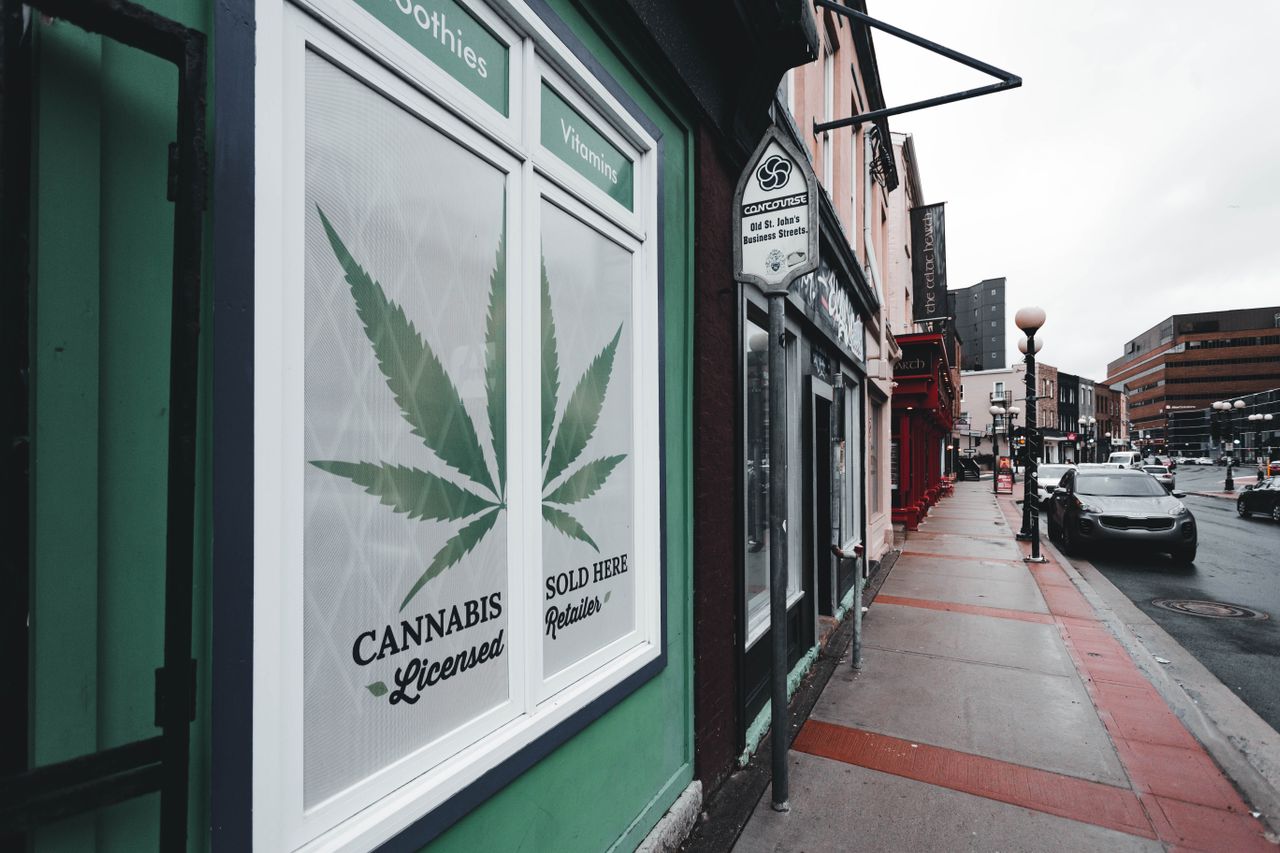
Cannabis prices in Canada have dropped sharply since legalization in 2018. Shoppers now see full ounces listed at prices that once seemed impossible. That shift raises a fair question for anyone on a budget. Does a cheap ounce really mean a worse ounce?
Not always, and knowing the difference protects your money. Online retailers such as The Herb Centre list cheap ounces of weed for value-minded adults across the country. This guide is written for legal-age buyers only. It explains what a budget ounce is and how to judge one with confidence.
What Counts as a Budget Ounce of Cannabis?
An ounce equals 28 grams, the largest single amount most stores sell at once. A budget ounce is a full 28 grams priced at the lower end of the range. It is often value-tier flower, smaller buds, or last season's harvest. None of that automatically means poor quality.
Cost per gram is the number that matters most. A $120 ounce works out to about $4.30 per gram. Compare that against smaller pack sizes and the savings become clear. Buying a full ounce almost always beats buying grams one at a time.
Some shoppers assume the cheapest listing is a trap. In a regulated market, that fear is usually misplaced. Every legal ounce still passes the same testing and labeling rules.
Why Do Cannabis Prices Vary So Much?
Several costs sit behind every legal gram. Licensed producers pay for cultivation, testing, packaging, and excise duties. A retailer margin sits on top of all of it. Those fixed costs set a floor under how low any price can go.
Above that floor, other factors move the number. Potency, brand reputation, and freshness all push prices up or down. Popcorn buds and value strains cost less than premium top-shelf flower. That is a pricing choice, not always a quality gap.
Sales cycles matter as well. Stores discount older stock to make room for fresh harvests. A lower price can simply mean good timing on your part. Watching for these drops stretches a fixed budget further.
How Do You Judge Value Without Losing Quality?
A few quick checks separate a smart buy from a letdown:
- Read the harvest or packaged date, since fresher flower burns better.
- Check the stated THC and CBD percentages on the label.
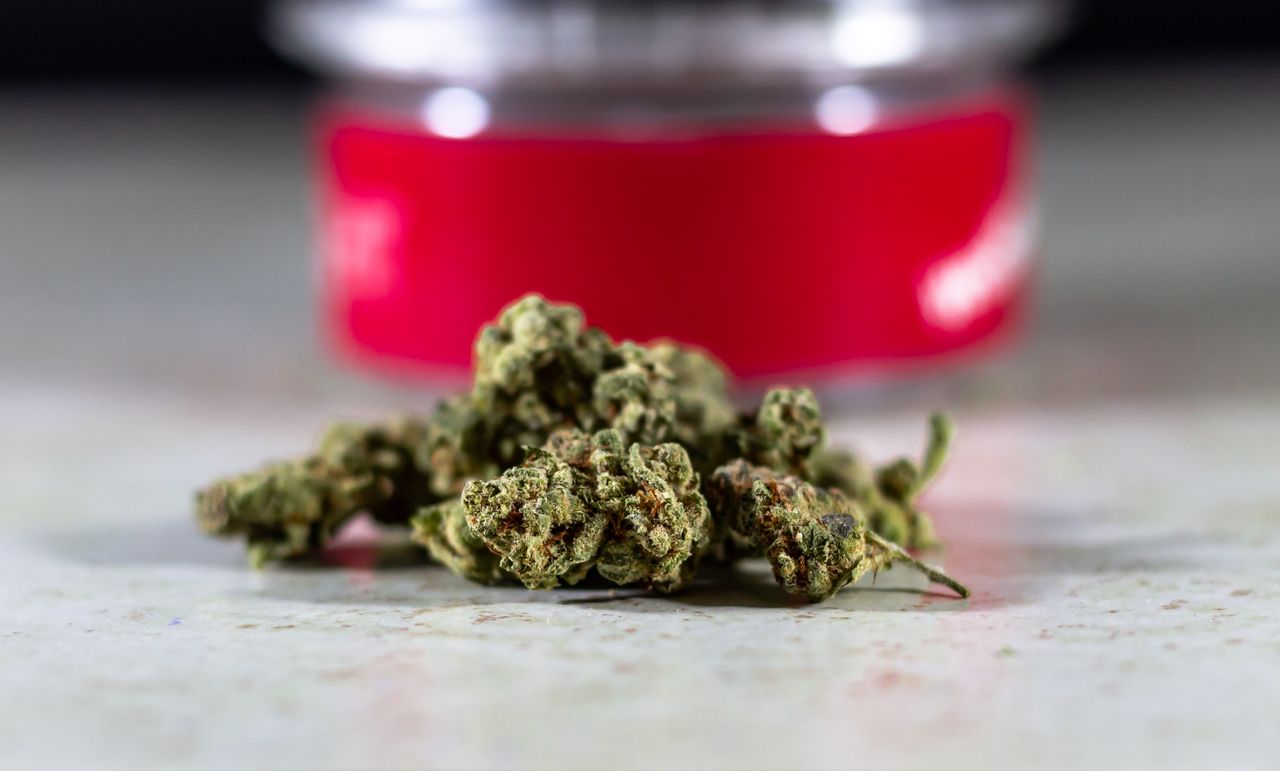
- Look for a proper cure, which shows in sticky, springy buds.
- Divide the total price by 28 to find your true cost per gram.
- Read recent customer reviews for notes on smell and moisture.
Regulators in legal US markets set useful benchmarks here. Washington's Liquor and Cannabis Board publishes rules on lab testing and product labeling. Those standards show what honest product information looks like anywhere.
What Should You Check On the Label?
A clear label is your best signal of value. It should list cannabinoid content, batch numbers, and a packaged date. Reputable sellers make this information easy to find. Missing details are a fair reason to shop elsewhere.
Testing rules exist for a reason across regulated markets. Maine's Office of Cannabis Policy requires testing for contaminants before sale. A budget ounce backed by real test data beats a cheaper one with no paperwork.
Packaging tells a quiet story too. Resealable, opaque containers protect flower far better than thin plastic bags. A seller who invests in good packaging often cares about the product inside. Treat sloppy packaging as a small warning sign.
Does Cheap Flower Have a Place In Everyday Life?
Value shopping is a habit, not a compromise. Readers here already compare restaurant reviews before choosing where to eat. The same instinct applies to cannabis flower. You want the best experience your budget allows.
Think of it like planning a night out. You might save on a weeknight meal and splurge on a memorable dinner out. A budget ounce covers the everyday, while premium flower marks the occasion. Both have a place.
How Should You Store a Full Ounce?
Buying in bulk only saves money if the flower stays fresh. An ounce can last weeks, so storage matters. Keep it in an airtight glass jar away from light and heat. A cool, dark cupboard works well for most homes.
Avoid the fridge or freezer, since moisture swings damage the buds. Small humidity packs hold flower at the right level. Stored well, a budget ounce stays smooth to the last gram. Poor storage wastes the savings you worked for.
Key Points to Weigh Before You Buy
- Always divide the price by 28 to find your cost per gram.
- Fresh, well-cured flower matters more than a low sticker price.
- Check the label for potency, testing, and a packaged date.
- The legal age is 18 or 19, depending on your province.
- Only buy from licensed, reputable Canadian retailers.
- Store your ounce in airtight glass to protect the value.
Shopping Smart for a Full Ounce
A cheap ounce and a good ounce can be the same thing. The trick is knowing what drives the price. Compare cost per gram, read the label, and buy fresh from a licensed source. Do that, and a budget full ounce becomes a smart everyday choice for adult consumers.
Frequently Asked Questions
How Many Grams Are In a Cannabis Ounce?
An ounce holds 28 grams, the most a licensed Canadian store can sell at once. That sits just under the 30 gram public possession limit for adults. Buying by the ounce gives you the lowest cost per gram.
Does a Cheap Ounce Mean Low Quality?
Not necessarily. Value pricing often reflects smaller buds, older harvests, or a store promotion. As long as the flower is fresh, cured, and lab tested, a low price can still mean solid quality.
Is It Legal to Buy Cannabis Online In Canada?
Yes, for adults buying from licensed retailers. The minimum age is 18 federally and 19 in most provinces. Always confirm the seller holds a valid provincial license before you place an order.
How Should I Store a Budget Ounce?
Keep it in an airtight glass jar in a cool, dark place. Add a humidity pack to hold the moisture steady. Good storage keeps a full ounce fresh for weeks and protects your savings.