

















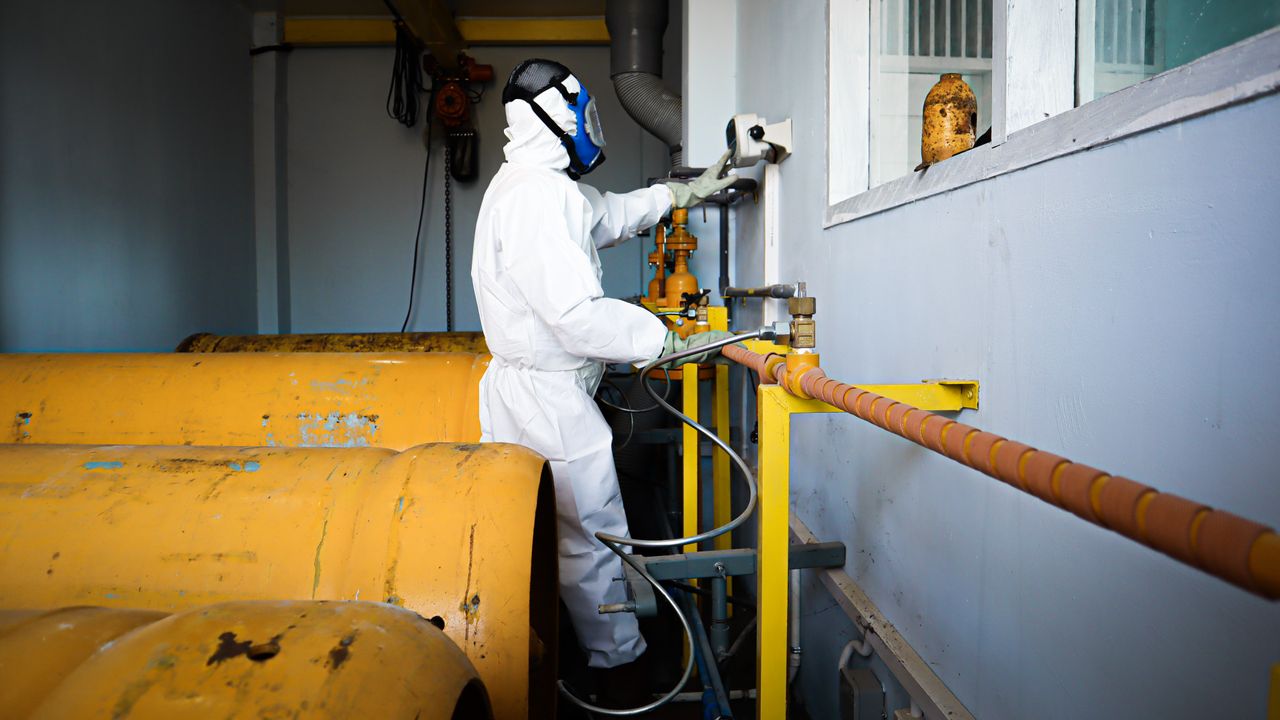
For contractors involved in construction safety, understanding the intricacies of Industrial Dry Chemical Systems is crucial. These systems play a significant role in fire suppression, particularly in environments where flammable materials are present. Contractors must navigate a myriad of considerations, from selecting the right system components to ensuring compliance with safety regulations. This guide will explore key aspects of Industrial Dry Chemical Systems, including their components, installation best practices, and regulatory requirements to help contractors make informed decisions.
Industrial Dry Chemical Systems Overview

The primary function of Industrial Dry Chemical Systems is to extinguish fires quickly and efficiently, using dry chemical agents. These systems are especially important in construction sites where flammable materials and activities are common. Understanding the Industrial Dry Chemical Systems is essential for contractors to ensure safety and compliance. A critical part of this understanding involves recognizing how these systems integrate with other safety measures, such as a Site-Specific Safety Plan that outlines the specific risks and safety protocols for a given project.
Contractors must also be aware of the role that these systems play in conjunction with other fire safety measures, such as the Fire Watch Protocol, which involves having a dedicated person monitor activities that pose a fire risk. This integration ensures that all potential fire hazards are addressed comprehensively.
Key Components of Industrial Dry Chemical Systems
Industrial Dry Chemical Systems consist of several key components that work together to suppress fires. These include storage containers for the dry chemical agents, delivery systems for distributing the agents, and detection systems to identify fires at their earliest stages. A crucial component is the Safety Data Sheet (SDS), which provides detailed information on the chemical agents used, including handling and safety precautions.
Understanding the components also involves recognizing the importance of a Confined Space Entry Protocol, which is necessary when these systems are installed or maintained in restricted areas. This protocol ensures that workers have the necessary training and equipment to perform their tasks safely.
Moreover, contractors should consider the Ergonomic Risk Assessment when installing these systems to prevent injuries during manual handling of heavy components. Proper assessment and planning can reduce the risk of musculoskeletal disorders among workers.
Best Practices for Installation and Maintenance
To ensure the effectiveness of Industrial Dry Chemical Systems, contractors must adhere to best practices for installation and maintenance. This includes conducting a thorough JSA (Job Safety Analysis) to identify potential hazards and implement mitigation strategies. Regular maintenance checks are vital to ensure the system remains operational, and these should be documented in an Incident Reporting Matrix to track any issues or repairs.
Training is another critical aspect, with OSHA 30-Hour Construction Training being a valuable resource for workers to understand the safety protocols and emergency procedures related to these systems. Ensuring that all personnel are familiar with Lockout/Tagout Procedures, which prevent accidental startup of equipment during maintenance, is also essential.
Additionally, compliance with PPE (Personal Protective Equipment) Compliance is necessary to protect workers during installation and maintenance activities. This includes wearing appropriate gear, such as gloves and masks, to handle chemicals safely.
Regulatory Compliance and Safety Considerations
Regulatory compliance is a key consideration for contractors working with Industrial Dry Chemical Systems. Adhering to local and national safety regulations, such as those set by OSHA, is mandatory to avoid penalties and ensure worker safety. Contractors must develop a Silica Exposure Control Plan to manage any potential exposure to harmful dust created during system installation or maintenance.
Moreover, communication is vital in maintaining safety standards. Effective Hazardous Material Communication ensures that all workers are aware of the risks associated with the materials they handle and the safety measures in place. A Scaffold Safety Inspector may also be required to assess and certify any temporary structures used during system installation.
Finally, contractors must consider the implications of the Excavation Safety Plan if the installation requires underground work. This plan outlines the procedures for safely conducting excavation activities to prevent accidents and ensure compliance with regulations.
Conclusion

Understanding the components, installation practices, and regulatory requirements of Industrial Dry Chemical Systems is essential for contractors focused on construction safety. By integrating these systems with comprehensive safety plans and ensuring compliance with regulations, contractors can significantly enhance fire safety on construction sites. The knowledge and application of these practices not only protect workers but also contribute to the successful completion of construction projects.