







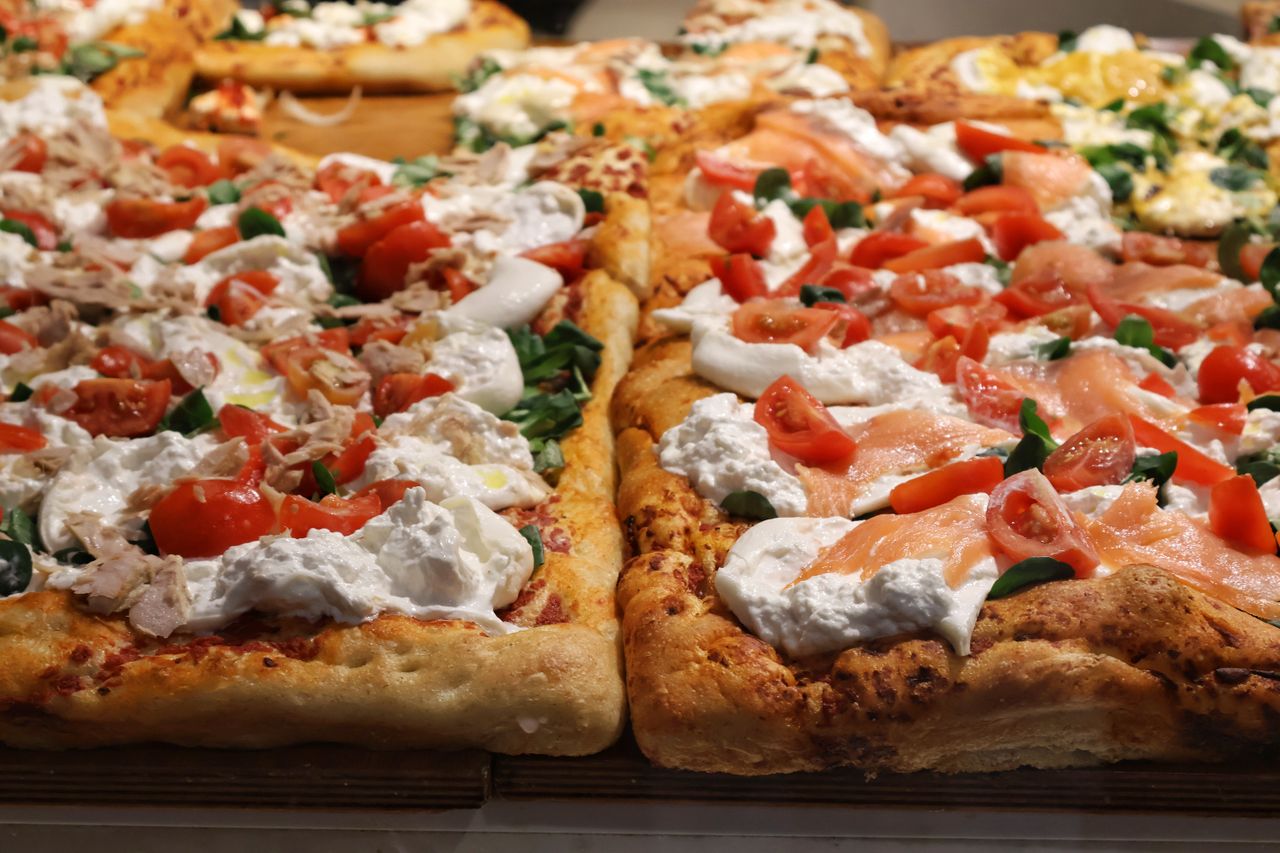
There is a stretch of northern Italy, about 100 kilometres long, where an unreasonable number of the world's most famous foods come from. Parmigiano Reggiano, Prosciutto di Parma, traditional balsamic vinegar, mortadella, tortellini, Lambrusco: all of them are made within an hour's train ride of each other, in the region of Emilia-Romagna. Italians call it the Food Valley, and if you care about what you eat, it is one of the best places in Europe to spend a few days.
The good news is that you do not need a car, a big budget or a reservation at a Michelin-starred restaurant to eat brilliantly here. You need a train ticket, a little planning and an appetite. Here is how to approach it.
Bologna: the capital of pasta
Start in Bologna. It is the region's capital, it has the best train connections, and it is where Italian pasta culture is at its most serious.
The first thing to know is that "spaghetti bolognese" is not a Bolognese dish. Locals serve their famous meat sauce, ragù, with fresh egg tagliatelle, never with spaghetti. The city takes this so seriously that a reference recipe for ragù was deposited with the local Chamber of Commerce in 1982, and another for tagliatelle, which even specifies the width of a cooked ribbon. That is the level of detail you are dealing with.
What to order:
- Tagliatelle al ragù: wide, thin ribbons of egg pasta with a slow-cooked meat sauce that is far less tomato-heavy than most foreigners expect. If you want somewhere to start, here is a list of the best tagliatelle in Bologna, chosen by people who eat it every week.
- Tortellini in brodo: tiny filled pasta, folded by hand around pork, prosciutto, mortadella and Parmigiano, served in a clear meat broth. It is a winter and Christmas dish, but most traditional trattorias serve it all year.
- Tortelloni: larger, filled with ricotta and herbs, usually dressed with butter and sage.
- Lasagne verdi: Bologna's version uses green spinach pasta, ragù and béchamel. No ricotta, no mozzarella.
Watch out for restaurants with photo menus and staff inviting you in from the street, especially around the main squares. The best trattorias are often plain-looking places with handwritten menus that change daily.
Modena: balsamic vinegar, the real kind
Modena is about 20 to 30 minutes from Bologna by regional train, and it is worth at least a full day.
The city is the home of Aceto Balsamico Tradizionale di Modena, which has almost nothing in common with the thin, sharp "balsamic" sold in most supermarkets. The traditional version is made from cooked grape must, aged for a minimum of 12 years in a series of barrels made of different woods, and kept in the attics of family homes, where the summer heat and winter cold do the work. A 25-year-old extravecchio is thick, sweet, complex and sold by the tiny bottle. A few drops on a chunk of Parmigiano or a spoon of vanilla gelato will change your idea of what vinegar can be.
Visiting an acetaia, a balsamic producer, is the best way to understand it. Many are small family operations in the countryside around Modena, and the tastings move from young, bright vinegars to old, dense ones in a way that makes the difference obvious.
In the city itself, head to Mercato Albinelli, the covered food market that has been open since the 1930s. It is full of local cheese, salumi, fresh pasta and fruit, and a few counters serve simple lunches. Modena is also the home of Lambrusco, the sparkling red wine that goes perfectly with the region's rich food. Forget the sweet versions you may have tried abroad: the good stuff is dry, fresh and fizzy.
Parma: ham and cheese, taken seriously
Parma is roughly an hour from Bologna by regional train, and faster on the high-speed line. It is a calm, elegant city, and it gives its name to the region's two most famous exports.
Prosciutto di Parma is made from just pork and sea salt, then air-dried and aged for well over a year in the hills south of the city, where the dry breezes are part of the recipe. Sliced thin, it melts almost as soon as it touches your tongue. Look out also for culatello, a rarer and more prized cut, aged in the foggy, humid lowlands near the River Po.
Parmigiano Reggiano is produced in a protected area that covers Parma, Reggio Emilia, Modena and parts of Bologna and Mantua. It is made with just three ingredients, raw cow's milk, salt and rennet, and aged for at least 12 months, often for 24, 30 or even 40 months. The older it gets, the more crystalline and nutty it becomes. In Parma, try a few different ages side by side: it is a lesson in how much time changes a single cheese.
See it being made
The single best food experience in this region is not a restaurant. It is watching Parmigiano Reggiano being made at dawn.
Cheesemakers start work early in the morning, heating the milk in huge copper vats, cutting the curd and lifting each new wheel out of the whey in a cloth. Then the wheels move to brine baths and finally to vast ageing rooms, where thousands of them sit on wooden shelves for years. Seeing it in person, and tasting the cheese at different ages straight from the source, explains more than any article can.
Most dairies are in the countryside and the visits happen early, so they are hard to reach by public transport. The easiest way is a day trip from Bologna or Modena that combines a Parmigiano dairy, a balsamic acetaia and a Parma ham producer in a single morning, with tastings at each.
How to plan your Food Valley trip
- Base yourself in Bologna. It has the most choice of places to stay and the fastest train links to both Modena and Parma.
- Give it three days. One for Bologna, one for Modena, one for Parma or a countryside food tour.
- Eat lunch like a local. Many of the best trattorias are busiest at lunchtime, and some close in the evening or on Sundays. Check opening hours before you go.
- Go early for dairy visits. Cheese is made in the morning, so tours usually start around 8 or 9 am.
- Travel light, buy vacuum-packed. Most shops will vacuum-pack Parmigiano and prosciutto for you to take home. Check your own country's customs rules for meat and dairy before you fly.
- Compare your options. Food tours here range from short city walks to full days in the countryside. This guide to choosing a food tour in Bologna explains the differences and who each one suits.
Emilia-Romagna does not have the famous skyline of Rome or the canals of Venice. What it has is better, if you are hungry: a few small cities and a stretch of countryside where food is treated as a serious craft, passed down for generations and still made by hand. Come with an empty stomach and a flexible belt.