

















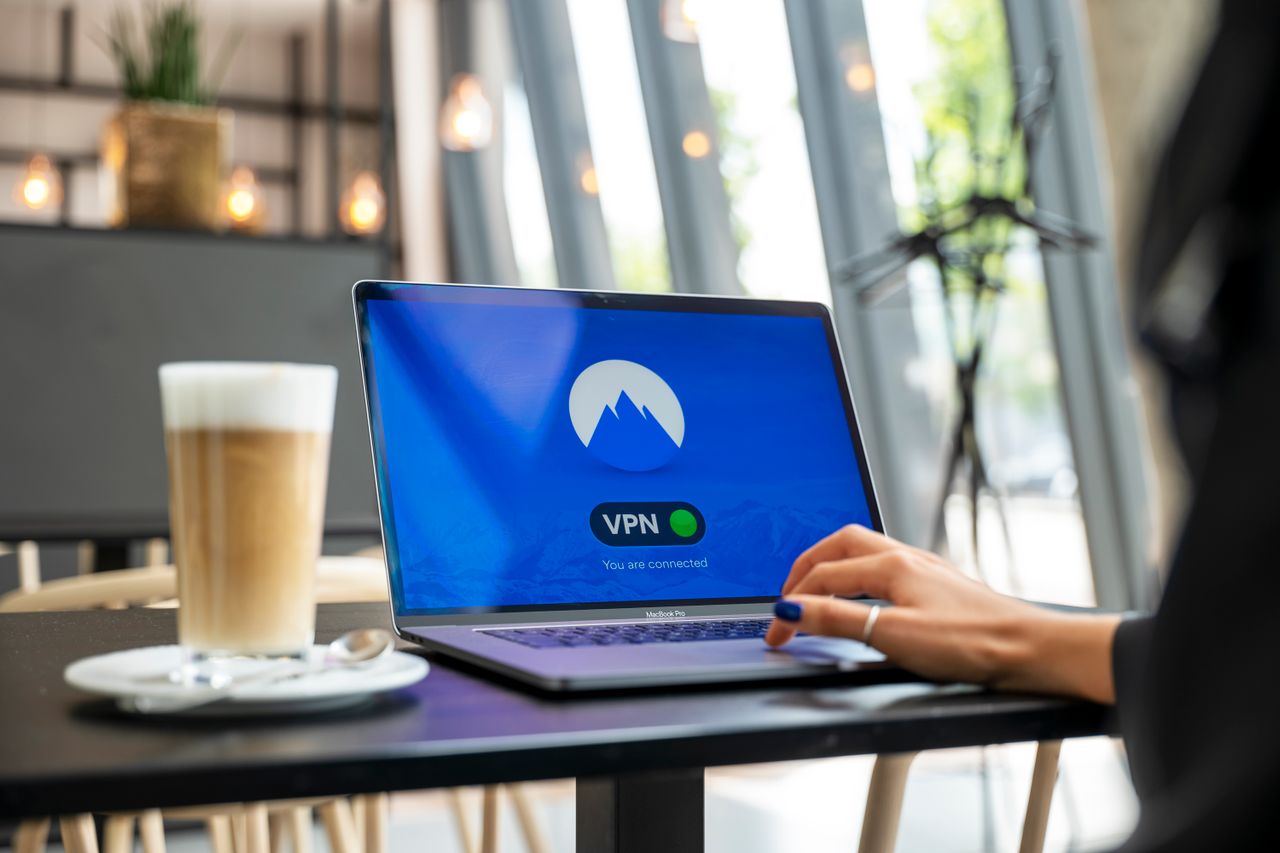
How people find restaurants, taste new cuisines, and order their favorite dishes has undergone a radical transformation. Today, a restaurant's online presence is far from being limited to the website. These are the ways that websites, online reservations, food delivery apps, digital payment apps, and social media accounts are essential for customer engagement. But as food businesses are becoming more tech-dependent, so are they facing security challenges as well, which they simply can't afford to overlook.
Customer information security and dependable online services are critical to the operations of a successful business, whether an independent café or a large restaurant chain. By recognizing some of the most prevalent cybersecurity threats, restaurant owners can help protect their operations while cultivating business relationships with consumers.
Technology is playing an ever-increasing role in the food industry
Technology has revolutionized almost every aspect of the dining experience. Menus can be viewed online, restaurant reviews can be read, tables can be booked, and payments can be made digitally, while customers can now write reviews on social media websites. On the other hand, restaurant owners utilize digital resources to deal with orders, monitor stock, arrange staff, and recognize the preferences of their customers.
While these conveniences add to efficiency, they also increase the volume of digital information that restaurants are dealing with more than ever these days. Reservation systems can hold the name of the customer and contact information, and ordering platforms can record the information regarding the transaction. Loyalty programs can gather personal data to generate one-on-one offers, too.
Failure to adequately safeguard these systems can lead to data breaches, fraudulent transactions, and disruption of business operations. If a small restaurant with a simple website is not adequately protected online, it can be a target.
Common Cybersecurity Risks At Restaurants
Knowing what could harm our children is the first step to minimizing it. Certain risks need to be monitored by restaurant owners and food entrepreneurs, especially.
- Online Payment Fraud
If fraudulent transactions occur or payment systems are compromised, then dining can lead to financial losses. Dining can lead to financial losses if transactions are fraudulent or systems are compromised. Any restaurants that accept online payments should employ trusted payment processors and make sure their websites or apps are secure.
It is important that employees do not needlessly ask for or keep confidential financial details. Reviewing transactions frequently also helps businesses discover suspicious transactions before they can cause extensive harm.
- Unsafe Social Media Sites
Phishing may include emails or messages from trusted companies, suppliers, delivery platforms, etc., or financial institutions. An employee may inadvertently click on a malicious link or provide login information, which then enables the attacker to have access to accounts in the business.
One way to minimise this risk is to provide staff with training. Staff must be trained to be aware of attachments that are suspicious, to check if a request to pay is unexpected, and to not enter passwords via email or messaging apps.
- Website Vulnerabilities
A restaurant website might have forms on the web for making bookings, contact pages, customer accounts, or links to ordering systems. These features can be opened up to attackers through outdated software, weak passwords, and improperly configured security settings.
Regularly updating software used in websites, using HTTPS, implementing multifactor authentication, and keeping backups of websites safe are other ways that can minimize vulnerabilities. Restricting administrative access to trusted employees who have a legitimate need to access the system is another good idea for businesses.
- Social Media Account Takeovers
For restaurants that rely on food photos, reviews, influencer partnerships, and promotions, social media is a crucial tool. Lack of access to an account can be a disruption to marketing activities and a loss of customer confidence.
Social media profiles can be made more secure with unique passwords, multifactor authentication, and limited access to accounts. It's important for restaurant owners to have a recovery plan in place to deal with this quickly if their account is hacked.
Practical Ways to Protect a Food Business Online
It is not always necessary to have a complex and expensive technology solution for cybersecurity. Several helpful precautions can be taken by a few consistent practices.
- Use strong passwords: Each business account should have its own password. A password manager might be of great help to authorized workers to maintain credentials safely.
- Keep systems updated: Any security updates for website platforms, booking software, computers, and mobile devices should be applied as soon as possible. Update fixes may deal with weaknesses that criminals might take advantage of.
- Train employees regularly: Employees should know what to look for when engaging in phishing attacks, appropriately dispose of customer data, and report any suspicious activity.
- Make copies of critical documents: Restaurants can recover from technical issues or cyber attacks by having a backup of critical business data, website content, and operational data.
- Manage access to business accounts: Employees are only to be given permissions necessary for their position. Access should be denied when a person is no longer with the organization or has a change of job responsibility.
- Use trustworthy service providers: Before sharing business or customer information, restaurants should consider the security that is provided by the websites on which they host their sites, their reservation systems, their delivery partners and their payment processor.
The measures are best implemented as a continuous task or responsibility, not as a one-time fix.
Cybersecurity Knowledge is increasing in value
With the increasing reliance on digital systems in the business world, the knowledge of cybersecurity is not just for big technology companies. Many industries can benefit from having professionals who have the knowledge and expertise in network security, ethical hacking, threat detection, and data protection who can contribute to constructing safer digital operations.
If you're interested in honing these abilities, checking out the best cyber security course might be a good way to understand the basics of cybersecurity and the career opportunities that could arise. For aspiring professionals, structured learning provides a foundation for understanding vulnerabilities, how to spot cyber threats, and put measures in place for them.
Business owners may also want to get more aware, even if they don't plan to go on to a technical career. Understanding how and when to consult with professionals and assessing security risks can help to make digital decision-making more informed.
Building Customer Trust Through Digital Safety
In many cases, customers don't just want good service at a restaurant; they want a great dining experience. They also want their personal information and payment information to be managed responsibly.
When this trust is violated as a result of a security incident – particularly when customers are unable to access reservation systems, receive emails that seem suspicious from compromised accounts, or find their information posted on a website – it can be a major blow to their confidence. Open dialogue and a proactive response strategy can be instrumental in addressing such scenarios in a responsible manner for businesses.
It's important for restaurant owners to review their digital systems periodically, review restaurant account permissions, and make sure that staff are aware of the proper procedure for raising security concerns. If a business processes sensitive data or has multiple interconnected systems, working with qualified cybersecurity professionals may be suitable.
Conclusion
Culinary experiences will continue to merge with the convenience of digital in the future of the food industry. Online booking, transportation, electronic payments, and social media will continue to be useful tools for attracting customers and optimizing operations.
But these benefits bring with them a duty to safeguard business systems and customer data. Restaurants can take simple steps to minimize unnecessary risk and build customer trust by implementing some basic security measures, training staff, keeping software updated, and creating awareness of cybersecurity.
However, the bottom line is that cybersecurity doesn't exist outside the dining experience. It's one of the unseen aspects that enables food businesses to perform with consistency, build trust and confidence with their customers, and work in a world that is more connected than ever.